Six out of seven countries in the world are led by a man.
At the current rate of change, gender parity in national parliaments will not happen for another 63 years – meaning most of us will not live to see it. “Business as usual” means equal rights and opportunities for women and girls, in all areas of their lives, will not be achieved for another 171 years.
That’s the clear diagnosis of the 2026 Gender Snapshot, produced by UN Women and the UN Department of Economic and Social Affairs (UN DESA). The report is the world’s leading source of data on gender equality and the 2030 Agenda for Sustainable Development, and tracks progress on women’s rights across all 17 Sustainable Development Goals (SDGs).
The gender gap in leadership is not an accident. It’s by design, and the result of unequal laws, stereotypes, and biased rules that were never designed for women to lead and prosper. And it doesn’t just affect the women who don’t get a seat at the table – it affects the health, education, safety, and economic future of everyone around them.
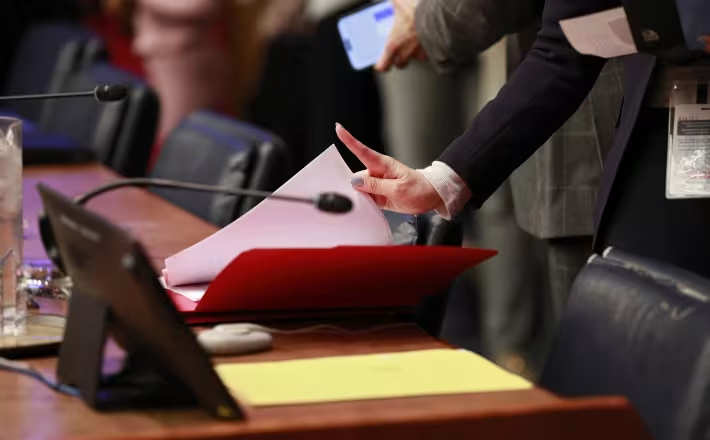

Hear from women leading change in the political space share their experiences and insights.

Explore a wide-range of audio-visual resources on key topics of gender equality.
Hear from a diverse list of panelists and guests as they reflect on critical issues pertaining Women in Politics.