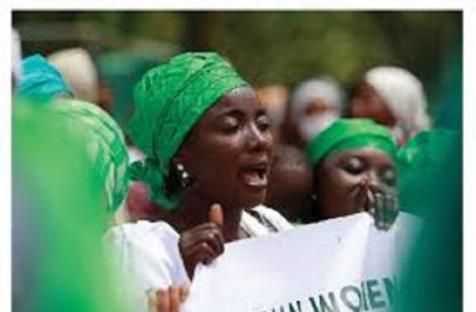
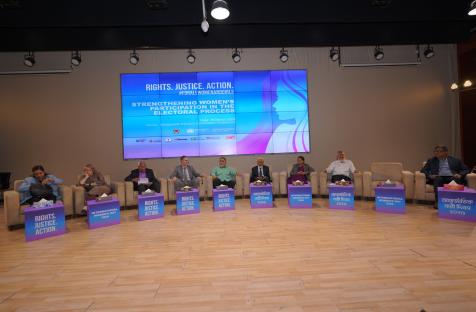
It is a striking paradox. For more than three decades, Bangladesh has been led by women—an exceptional continuity across the globe. Yet the outcome of the 13th national election tells a different story.
What happens to citizens’ perceptions of political decisions when legislatures achieve gender balance through quotas, policies that require parties to include women as candidates? Critics have long argued that mandating women’s presence casts doubt on elected officials’ qualifica
As Assam, Tamil Nadu, West Bengal, and Kerala prepare for Assembly elections, two decades of electoral data reveal a clear pattern: more women are entering the fray, but they are not winning in proportion to their participation.
Politics has long been viewed as a male-dominated arena, with only a handful of women daring to venture into it.
Even then, women politicians often face dismissal, branded as mere “flower girls” for party leaders.
On the morning of February 9, a large crowd gathered near the Mirpur-1 Eidgah field.
The air was filled with commotion and the festive rhythm of a band party. Rickshaws and cars came to a halt, and pedestrians stopped to watch.
With an eye on attracting sectors considered decisive for the elections, President Lula has concluded that he needs to further calibrate his rhetoric and actions aimed at women in order to reverse disapproval of his administrat
Over the past decade Somaliland has seen a worrying convergence of political exclusion for women and active pushback against progressive sexual-offences laws and gender-equity measures.
“Closing the gender pay and pension gaps is not only a matter of fairness, but also a strategic economic necessity for Europe’s competitiveness, growth, and fiscal sustainability,” said Mirosława Nykiel MEP, negotiator of the report on gender pay and pension gaps in Parliament’s Committee on Wome
At its January 2026 plenary session, the European Economic and Social Committee (EESC) adopted a resolution outlining the EU’s priorities for the 70th United Nations Commission on the Status of Women (UN CSW70).