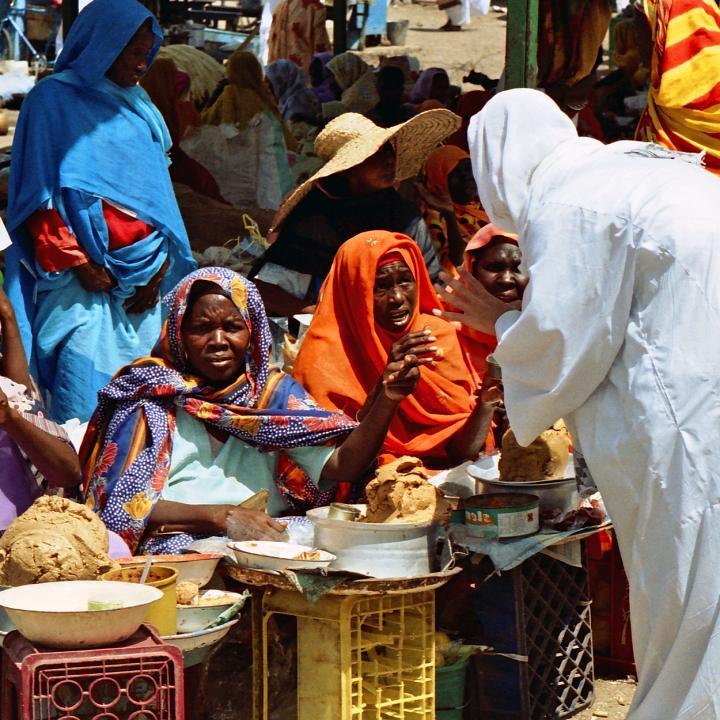
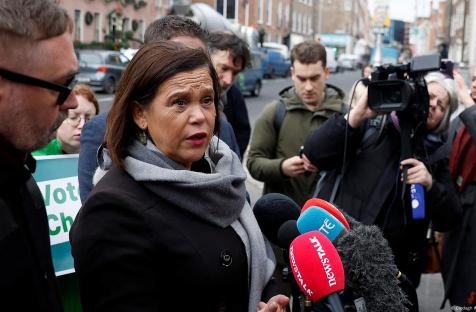
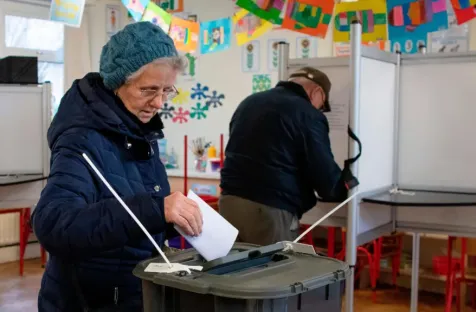
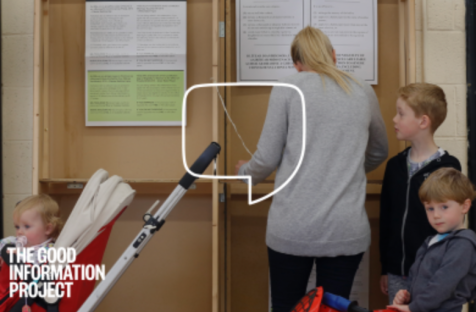
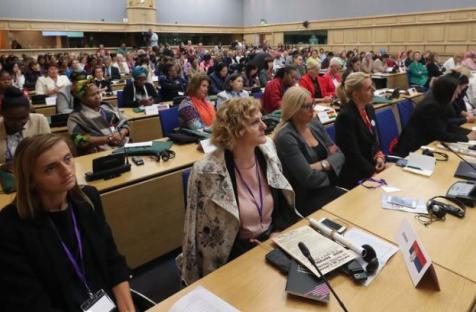
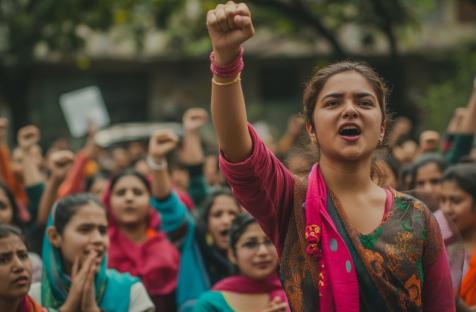
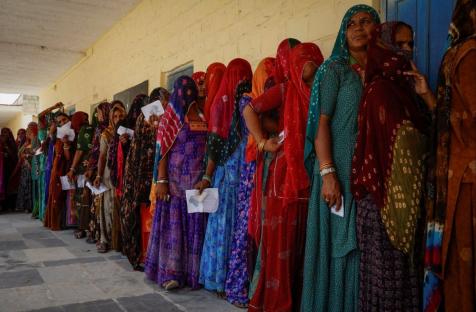
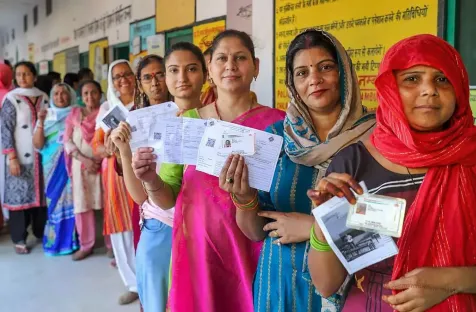
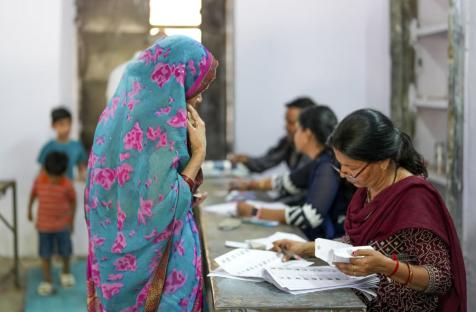
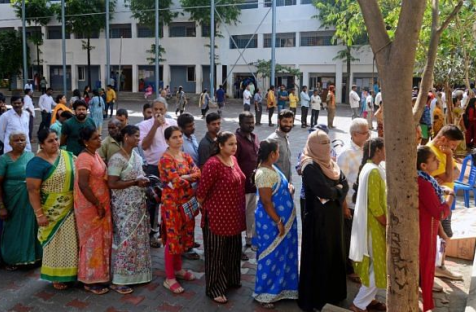
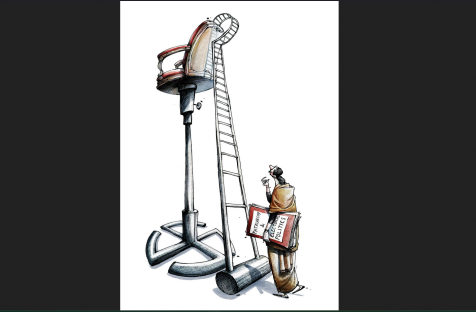
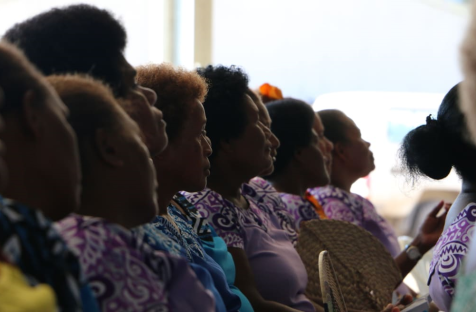
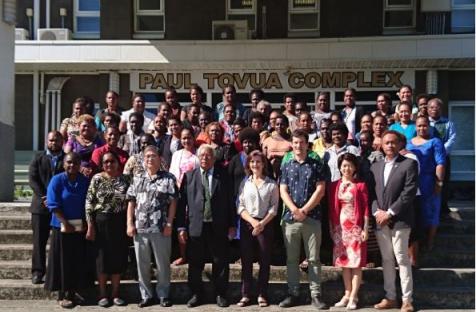
As Burundi heads towards the 2015 general elections, and despite a quota of 30 percent women’s representation in parliament, women in this southeast African nation feel that they are yet to have a significant say in the management of their country.
UN Women is issuing a global call for nominations to enlist two new members as youth representatives on its Global Civil Society Advisory Group (GCSAG).
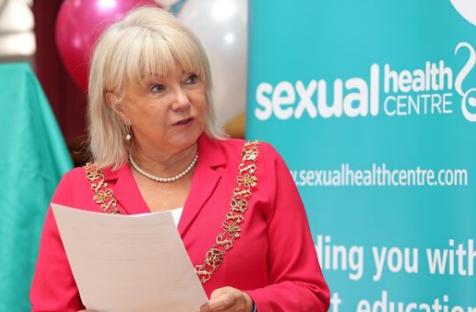
Ana Luisa Rodríguez de González has already served four terms as the mayor of Atiquizaya. She won her first election in 2003. In that same year, of the 262 municipal councils holding elections, only 15 were led by women.
Beijing +20
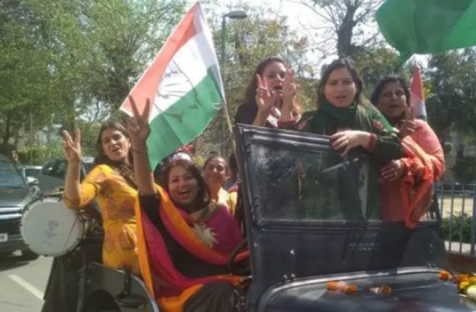
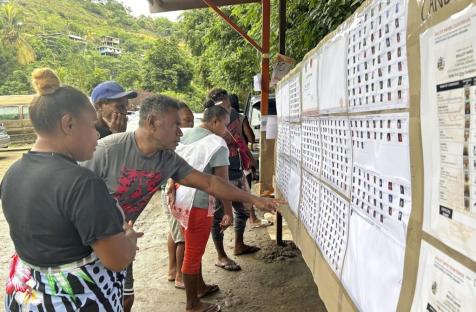
With support from UN Women’s Fund for Gender Equality, the Network of NGOs in Trinidad and Tobago is training women to be more effective in running for election. They seek to learn the rules, use the rules and change the system.
Strengthening women's role in power and decision-making is one of the 12 critical areas of concern outlined in the Beijing Declaration and Platform for Action, which turns 20 next year.
Through the training of women in disaster management, as well as national lobbying, the contribution of women has been recognized and a government decree now gives the Women’s Union an official space in decision-making bodies. 
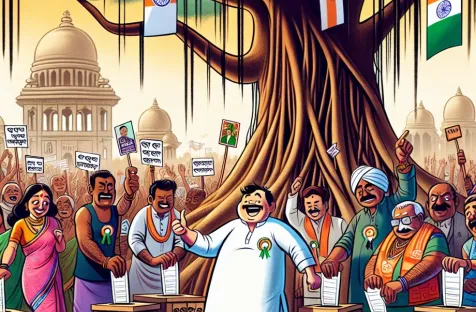
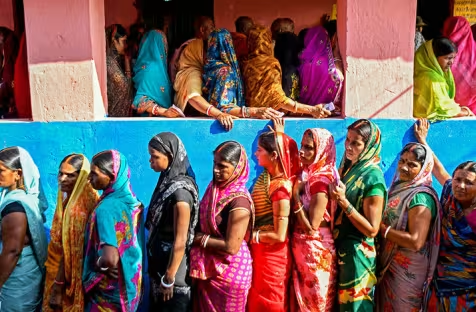
Nation-building processes cannot work and development goals cannot be achieved if women are denied meaningful political participation. To ensure this, Pakistan’s Parliament introduced in 2002 a 17 percent gender quota in all legislative houses.