
Partner News

In Pakistan, where instability, distrust, violence and political rivalries can impede interaction among political parties, women and young people — the majority of the population — often have difficulty making their voices heard.

According to some estimates, more than 60 percent of Pakistanis are under the age of 35. Yet women and young people seldom have leadership opportunities or seats on decision making bodies.    

To help enhance their leadership and training skills, young representatives from four major political parties came together in Karachi in late May and again in July with the aim of developing the capabilities of their own parties to train party members in professional party building and campaign organizing.  Over half of the participants were women and more than 80 percent of them were under 35.


We invite our users to read the complete article published July 16 2012
In Pakistan, where instability, distrust, violence and political rivalries can impede interaction among political parties, women and young people — the majority of the population — often have difficulty making their voices heard.

According to some estimates, more than 60 percent of Pakistanis are under the age of 35. Yet women and young people seldom have leadership opportunities or seats on decision making bodies.    

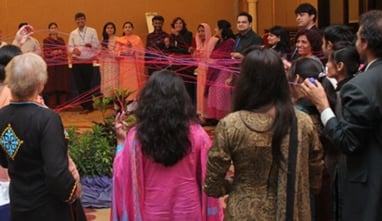
To help enhance their leadership and training skills, young representatives from four major political parties came together in Karachi in late May and again in July with the aim of developing the capabilities of their own parties to train party members in professional party building and campaign organizing.  Over half of the participants were women and more than 80 percent of them were under 35.


We invite our users to read the complete article published July 16 2012

In Pakistan, where instability, distrust, violence and political rivalries can impede interaction among political parties, women and young people — the majority of the population — often have difficulty making their voices heard.

According to some estimates, more than 60 percent of Pakistanis are under the age of 35. Yet women and young people seldom have leadership opportunities or seats on decision making bodies.    

To help enhance their leadership and training skills, young representatives from four major political parties came together in Karachi in late May and again in July with the aim of developing the capabilities of their own parties to train party members in professional party building and campaign organizing.  Over half of the participants were women and more than 80 percent of them were under 35.


We invite our users to read the complete article published July 16 2012

In Pakistan, where instability, distrust, violence and political rivalries can impede interaction among political parties, women and young people — the majority of the population — often have difficulty making their voices heard.

According to some estimates, more than 60 percent of Pakistanis are under the age of 35. Yet women and young people seldom have leadership opportunities or seats on decision making bodies.    

To help enhance their leadership and training skills, young representatives from four major political parties came together in Karachi in late May and again in July with the aim of developing the capabilities of their own parties to train party members in professional party building and campaign organizing.  Over half of the participants were women and more than 80 percent of them were under 35.


We invite our users to read the complete article published July 16 2012

In Pakistan, where instability, distrust, violence and political rivalries can impede interaction among political parties, women and young people — the majority of the population — often have difficulty making their voices heard.

According to some estimates, more than 60 percent of Pakistanis are under the age of 35. Yet women and young people seldom have leadership opportunities or seats on decision making bodies.    

To help enhance their leadership and training skills, young representatives from four major political parties came together in Karachi in late May and again in July with the aim of developing the capabilities of their own parties to train party members in professional party building and campaign organizing.  Over half of the participants were women and more than 80 percent of them were under 35.


We invite our users to read the complete article published July 16 2012

In Pakistan, where instability, distrust, violence and political rivalries can impede interaction among political parties, women and young people — the majority of the population — often have difficulty making their voices heard.

According to some estimates, more than 60 percent of Pakistanis are under the age of 35. Yet women and young people seldom have leadership opportunities or seats on decision making bodies.    

To help enhance their leadership and training skills, young representatives from four major political parties came together in Karachi in late May and again in July with the aim of developing the capabilities of their own parties to train party members in professional party building and campaign organizing.  Over half of the participants were women and more than 80 percent of them were under 35.


We invite our users to read the complete article published July 16 2012

In Pakistan, where instability, distrust, violence and political rivalries can impede interaction among political parties, women and young people — the majority of the population — often have difficulty making their voices heard.

According to some estimates, more than 60 percent of Pakistanis are under the age of 35. Yet women and young people seldom have leadership opportunities or seats on decision making bodies.    

To help enhance their leadership and training skills, young representatives from four major political parties came together in Karachi in late May and again in July with the aim of developing the capabilities of their own parties to train party members in professional party building and campaign organizing.  Over half of the participants were women and more than 80 percent of them were under 35.


We invite our users to read the complete article published July 16 2012

In Pakistan, where instability, distrust, violence and political rivalries can impede interaction among political parties, women and young people — the majority of the population — often have difficulty making their voices heard.

According to some estimates, more than 60 percent of Pakistanis are under the age of 35. Yet women and young people seldom have leadership opportunities or seats on decision making bodies.    

To help enhance their leadership and training skills, young representatives from four major political parties came together in Karachi in late May and again in July with the aim of developing the capabilities of their own parties to train party members in professional party building and campaign organizing.  Over half of the participants were women and more than 80 percent of them were under 35.


We invite our users to read the complete article published July 16 2012

In Pakistan, where instability, distrust, violence and political rivalries can impede interaction among political parties, women and young people — the majority of the population — often have difficulty making their voices heard.

According to some estimates, more than 60 percent of Pakistanis are under the age of 35. Yet women and young people seldom have leadership opportunities or seats on decision making bodies.    

To help enhance their leadership and training skills, young representatives from four major political parties came together in Karachi in late May and again in July with the aim of developing the capabilities of their own parties to train party members in professional party building and campaign organizing.  Over half of the participants were women and more than 80 percent of them were under 35.


We invite our users to read the complete article published July 16 2012

In Pakistan, where instability, distrust, violence and political rivalries can impede interaction among political parties, women and young people — the majority of the population — often have difficulty making their voices heard.

According to some estimates, more than 60 percent of Pakistanis are under the age of 35. Yet women and young people seldom have leadership opportunities or seats on decision making bodies.    

To help enhance their leadership and training skills, young representatives from four major political parties came together in Karachi in late May and again in July with the aim of developing the capabilities of their own parties to train party members in professional party building and campaign organizing.  Over half of the participants were women and more than 80 percent of them were under 35.


We invite our users to read the complete article published July 16 2012

Pakistan-training-fellows-382px.jpg

Photo credit: NDI

According to some estimates, more than 60 percent of Pakistanis are under the age of 35. Yet women and young people seldom have leadership opportunities or seats on decision making bodies.    

To help enhance their leadership and training skills, young representatives from four major political parties came together in Karachi in late May and again in July with the aim of developing the capabilities of their own parties to train party members in professional party building and campaign organizing.  Over half of the participants were women and more than 80 percent of them were under 35.

These were multiparty forums, which can be challenging in Karachi where violence often erupts between political parties.  “It’s only because of this platform…that we are able to sit together with other political parties,” said Rahat Javed, president of the women’s wing of Sindh PML, a political party that is a coalition partner with the governing Pakistan People’s Party, and a participant in the workshop. “Otherwise it’s difficult for us to interact even for 10 minutes.”


Read the complete story at NDI, published 16 July 2012.

Pakistan-training-fellows-382px.jpg

Photo credit: NDI

According to some estimates, more than 60 percent of Pakistanis are under the age of 35. Yet women and young people seldom have leadership opportunities or seats on decision making bodies.    

To help enhance their leadership and training skills, young representatives from four major political parties came together in Karachi in late May and again in July with the aim of developing the capabilities of their own parties to train party members in professional party building and campaign organizing.  Over half of the participants were women and more than 80 percent of them were under 35.

These were multiparty forums, which can be challenging in Karachi where violence often erupts between political parties.  “It’s only because of this platform…that we are able to sit together with other political parties,” said Rahat Javed, president of the women’s wing of Sindh PML, a political party that is a coalition partner with the governing Pakistan People’s Party, and a participant in the workshop. “Otherwise it’s difficult for us to interact even for 10 minutes.”


Read the complete story at NDI, published 16 July 2012.

Pakistan-training-fellows-382px.jpg

Photo credit: NDI

According to some estimates, more than 60 percent of Pakistanis are under the age of 35. Yet women and young people seldom have leadership opportunities or seats on decision making bodies.    

To help enhance their leadership and training skills, young representatives from four major political parties came together in Karachi in late May and again in July with the aim of developing the capabilities of their own parties to train party members in professional party building and campaign organizing.  Over half of the participants were women and more than 80 percent of them were under 35.

These were multiparty forums, which can be challenging in Karachi where violence often erupts between political parties.  “It’s only because of this platform…that we are able to sit together with other political parties,” said Rahat Javed, president of the women’s wing of Sindh PML, a political party that is a coalition partner with the governing Pakistan People’s Party, and a participant in the workshop. “Otherwise it’s difficult for us to interact even for 10 minutes.”


Read the complete story at NDI, published 16 July 2012.

Pakistan-training-fellows-382px.jpg

Photo credit: NDI

According to some estimates, more than 60 percent of Pakistanis are under the age of 35. Yet women and young people seldom have leadership opportunities or seats on decision making bodies.    

To help enhance their leadership and training skills, young representatives from four major political parties came together in Karachi in late May and again in July with the aim of developing the capabilities of their own parties to train party members in professional party building and campaign organizing.  Over half of the participants were women and more than 80 percent of them were under 35.

These were multiparty forums, which can be challenging in Karachi where violence often erupts between political parties.  “It’s only because of this platform…that we are able to sit together with other political parties,” said Rahat Javed, president of the women’s wing of Sindh PML, a political party that is a coalition partner with the governing Pakistan People’s Party, and a participant in the workshop. “Otherwise it’s difficult for us to interact even for 10 minutes.”


Read the complete story at NDI, published 16 July 2012.

Pakistan-training-fellows-382px.jpg

Photo credit: NDI

According to some estimates, more than 60 percent of Pakistanis are under the age of 35. Yet women and young people seldom have leadership opportunities or seats on decision making bodies.    

To help enhance their leadership and training skills, young representatives from four major political parties came together in Karachi in late May and again in July with the aim of developing the capabilities of their own parties to train party members in professional party building and campaign organizing.  Over half of the participants were women and more than 80 percent of them were under 35.

These were multiparty forums, which can be challenging in Karachi where violence often erupts between political parties.  “It’s only because of this platform…that we are able to sit together with other political parties,” said Rahat Javed, president of the women’s wing of Sindh PML, a political party that is a coalition partner with the governing Pakistan People’s Party, and a participant in the workshop. “Otherwise it’s difficult for us to interact even for 10 minutes.”


Read the complete story at NDI, published 16 July 2012.

Pakistan-training-fellows-382px.jpg

Photo credit: NDI

According to some estimates, more than 60 percent of Pakistanis are under the age of 35. Yet women and young people seldom have leadership opportunities or seats on decision making bodies.    

To help enhance their leadership and training skills, young representatives from four major political parties came together in Karachi in late May and again in July with the aim of developing the capabilities of their own parties to train party members in professional party building and campaign organizing.  Over half of the participants were women and more than 80 percent of them were under 35.

These were multiparty forums, which can be challenging in Karachi where violence often erupts between political parties.  “It’s only because of this platform…that we are able to sit together with other political parties,” said Rahat Javed, president of the women’s wing of Sindh PML, a political party that is a coalition partner with the governing Pakistan People’s Party, and a participant in the workshop. “Otherwise it’s difficult for us to interact even for 10 minutes.”


Read the complete story at NDI, published 16 July 2012.

Pakistan-training-fellows-382px.jpg

Photo credit: NDI

According to some estimates, more than 60 percent of Pakistanis are under the age of 35. Yet women and young people seldom have leadership opportunities or seats on decision making bodies.    

To help enhance their leadership and training skills, young representatives from four major political parties came together in Karachi in late May and again in July with the aim of developing the capabilities of their own parties to train party members in professional party building and campaign organizing.  Over half of the participants were women and more than 80 percent of them were under 35.

These were multiparty forums, which can be challenging in Karachi where violence often erupts between political parties.  “It’s only because of this platform…that we are able to sit together with other political parties,” said Rahat Javed, president of the women’s wing of Sindh PML, a political party that is a coalition partner with the governing Pakistan People’s Party, and a participant in the workshop. “Otherwise it’s difficult for us to interact even for 10 minutes.”


Read the complete story at NDI, published 16 July 2012.

Statement by Michelle Bachelet, UN Women Under-Secretary-General and Executive Director, 13 July 2012. In recent weeks, the Afghan nation has witnessed cases of extreme abuse and appalling violence against women. The torture and rape of a young woman, Lal Bibi, by Afghan Local Police (ALP) and the public execution of a young woman, Najiba, has [...]

Statement by Michelle Bachelet, UN Women Under-Secretary-General and Executive Director, 13 July 2012. In recent weeks, the Afghan nation has witnessed cases of extreme abuse and appalling violence against women. The torture and rape of a young woman, Lal Bibi, by Afghan Local Police (ALP) and the public execution of a young woman, Najiba, has [...]

The number of female elected parliamentarians in Senegal’s National Assembly has almost doubled thanks to the impact of new parity laws on the July elections

With 44.6 per cent of female parliamentarians, Senegal has come close to achieving parity in its National Assembly. 64 women now occupy a total of 150 seats, up from 33. Adopted on 28 May 2010, the law on parity has ensured a major step forward in female political participation in the country. The legislation aims to secure full equality in all elective and semi-elective bodies, and at all levels – whether national, regional or local. It does so by requiring that political parties submit an alternating list of men and women candidates, with a male-female ratio as close as possible to 50 per cent.

Read the complete story on UN Women, published 12 July 2012

The number of female elected parliamentarians in Senegal’s National Assembly has almost doubled thanks to the impact of new parity laws on the July elections

With 44.6 per cent of female parliamentarians, Senegal has come close to achieving parity in its National Assembly. 64 women now occupy a total of 150 seats, up from 33. Adopted on 28 May 2010, the law on parity has ensured a major step forward in female political participation in the country. The legislation aims to secure full equality in all elective and semi-elective bodies, and at all levels – whether national, regional or local. It does so by requiring that political parties submit an alternating list of men and women candidates, with a male-female ratio as close as possible to 50 per cent.

Read the complete story on UN Women, published 12 July 2012

The number of female elected parliamentarians in Senegal’s National Assembly has almost doubled thanks to the impact of new parity laws on the July elections

With 44.6 per cent of female parliamentarians, Senegal has come close to achieving parity in its National Assembly. 64 women now occupy a total of 150 seats, up from 33. Adopted on 28 May 2010, the law on parity has ensured a major step forward in female political participation in the country. The legislation aims to secure full equality in all elective and semi-elective bodies, and at all levels – whether national, regional or local. It does so by requiring that political parties submit an alternating list of men and women candidates, with a male-female ratio as close as possible to 50 per cent.

Read the complete story on UN Women, published 12 July 2012

The number of female elected parliamentarians in Senegal’s National Assembly has almost doubled thanks to the impact of new parity laws on the July elections

With 44.6 per cent of female parliamentarians, Senegal has come close to achieving parity in its National Assembly. 64 women now occupy a total of 150 seats, up from 33. Adopted on 28 May 2010, the law on parity has ensured a major step forward in female political participation in the country. The legislation aims to secure full equality in all elective and semi-elective bodies, and at all levels – whether national, regional or local. It does so by requiring that political parties submit an alternating list of men and women candidates, with a male-female ratio as close as possible to 50 per cent.

Read the complete story on UN Women, published 12 July 2012

The number of female elected parliamentarians in Senegal’s National Assembly has almost doubled thanks to the impact of new parity laws on the July elections

With 44.6 per cent of female parliamentarians, Senegal has come close to achieving parity in its National Assembly. 64 women now occupy a total of 150 seats, up from 33. Adopted on 28 May 2010, the law on parity has ensured a major step forward in female political participation in the country. The legislation aims to secure full equality in all elective and semi-elective bodies, and at all levels – whether national, regional or local. It does so by requiring that political parties submit an alternating list of men and women candidates, with a male-female ratio as close as possible to 50 per cent.

Read the complete story on UN Women, published 12 July 2012

The number of female elected parliamentarians in Senegal’s National Assembly has almost doubled thanks to the impact of new parity laws on the July elections

With 44.6 per cent of female parliamentarians, Senegal has come close to achieving parity in its National Assembly. 64 women now occupy a total of 150 seats, up from 33. Adopted on 28 May 2010, the law on parity has ensured a major step forward in female political participation in the country. The legislation aims to secure full equality in all elective and semi-elective bodies, and at all levels – whether national, regional or local. It does so by requiring that political parties submit an alternating list of men and women candidates, with a male-female ratio as close as possible to 50 per cent.

Read the complete story on UN Women, published 12 July 2012