DHAKA – As the dust settles on Bangladesh’s 13th National Parliamentary Election, with the Election Commission (EC) declaring the 297 candidates elected to our parliament, a major source of disappointment rema
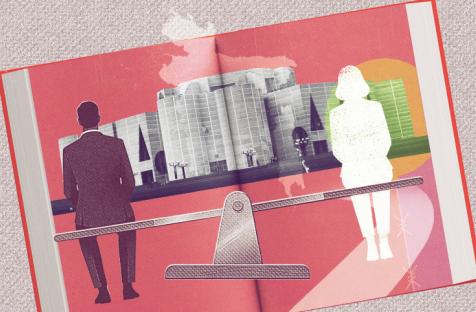
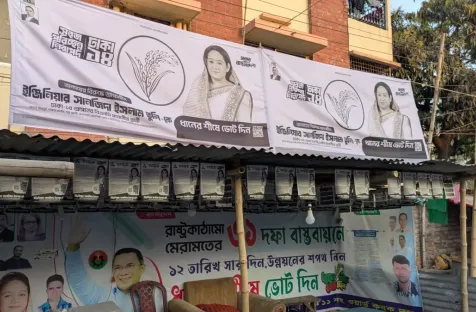
As Bangladesh awaits the result of the 2026 national parliamentary election, one statistic should give us pause. Only 78 women are contesting the election — just under 4% of nearly 2,000 candidates.
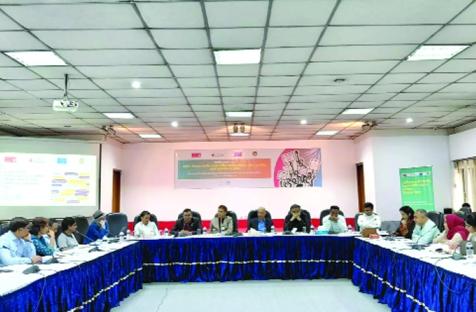
Political parties were failing to reach a consensus on increasing women’s representation in parliament during discussions with the National Consensus Commission. At one stage, a proposal to nominate at least 5 per cent women candidates was tabled, to which most parties agreed.
Women were at the forefront of the July 2024 uprising, but in the subsequently formed political structures, insecurity and social backlash gradually pushed them aside.
Despite decades of pledges to ensure women’s political empowerment, the upcoming national election paints a starkly different picture, with female representation on the ballot remaining alarmingly low.
A 2025 Democracy International poll shows strong public demand in Bangladesh for greater political inclusion, with 96% supporting participation of persons with disabilities, 85% calling for better ethnic minority representation, and 81% backing stronger involvement of r
Human Rights Watch (HRW) has raised alarms over an increase in violence targeting women, children, and religious minorities in Bangladesh as the country prepares for the 13th National Parliamentary Elections scheduled for February 12.
The political structure and processes in Bangladesh remain predominantly patriarchal and under male control.