August 16, 2014
Forget quotas for women Members of Parliament – time to limit the number of men
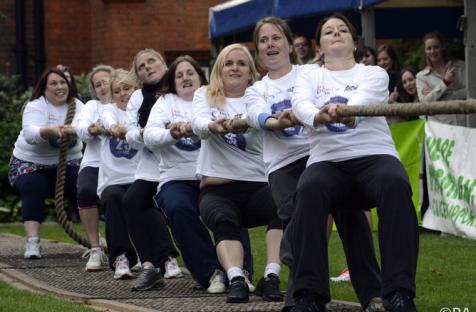
Rebecca Naden/PA Wire
Rebecca Naden/PA Wire
In March 2014, the Maltese electorate gave a resounding thumbs-up to four female Maltese candidates out of the six elected to the European Parliament. A month later the second female President of Malta was sworn into office.
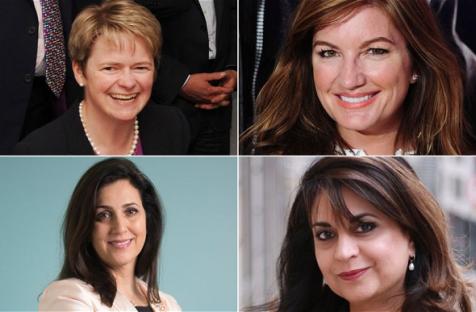
From top left, clockwise: Dido Harding, Karren Brady, Nosheena Mobarik and Joanna Shields Photo: PA/Bloomberg
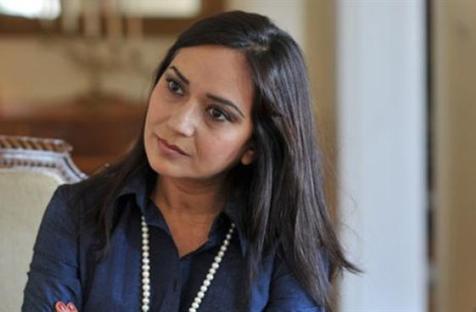
Europe’s security body has released a strongly-worded statement voicing concern over the targeting of prominent Turkish journalist Amberin Zaman by presidential hopeful Prime Minister Recep Tayyip Erdoğan.
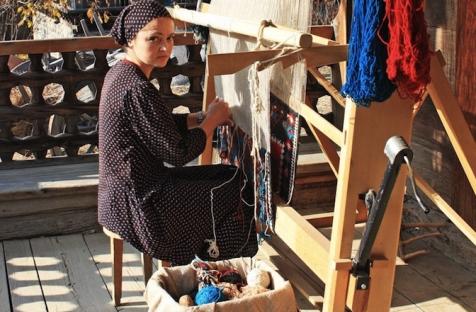
In a country where traditional roles of womanhood are persistent and widespread, women are often discouraged from seeking employment, either as a result of internalized patriarchal notions or more often, due to constraints from their domestic obligations.
Opinion by Breda O'Brien
Ireland is among the 10 lowest-ranked EU countries when it comes to political and economic representation of women.
Women make up just one third of members of State boards and have been "consistently under-represented in economic portfolios," according to a report submitted to Cabinet on gender equality in decision-making roles.
The Public Defender’s Office has expressed its concerns over the declining rate of women's participation in the country’s political life experiences and there is no progress observed on the horizon.