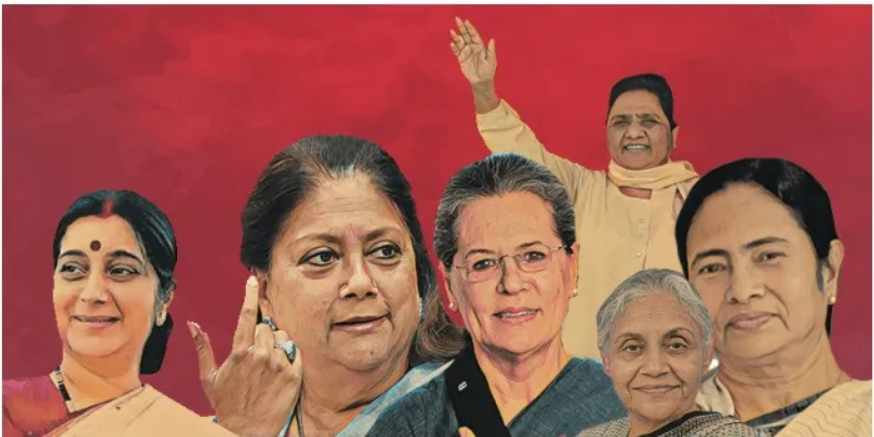
Why are there few women in Indian Politics?
On the eve of India’s independence on August 14th, 1947, a momentous gathering filled the parliament gallery, eagerly awaiting Jawaharlal Nehru’s iconic addre
On the eve of India’s independence on August 14th, 1947, a momentous gathering filled the parliament gallery, eagerly awaiting Jawaharlal Nehru’s iconic addre
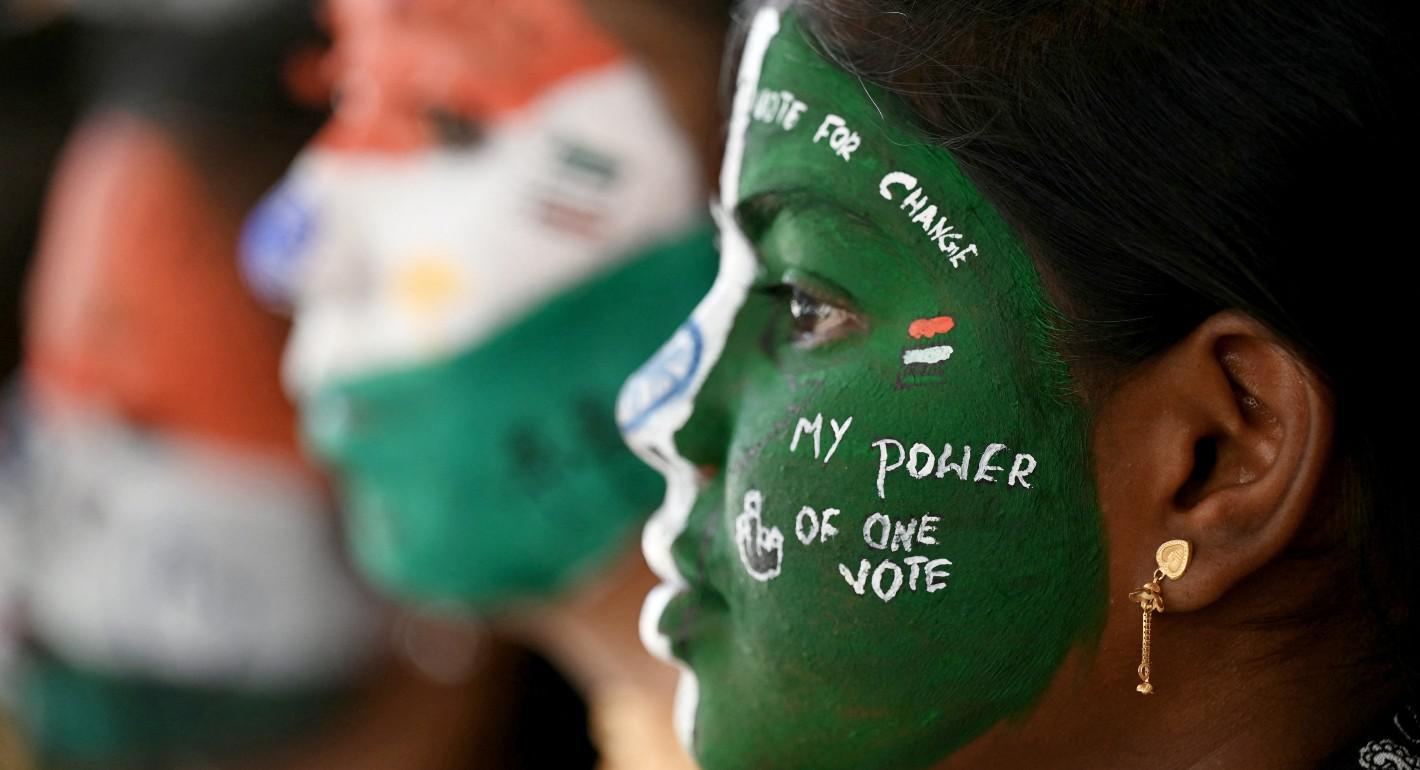
In India, as in many democracies around the world, there has long been a discernible gender gap in citizens’ political participation. For decades, Indian men were significantly more likely to cast their ballots on election day compared to women.

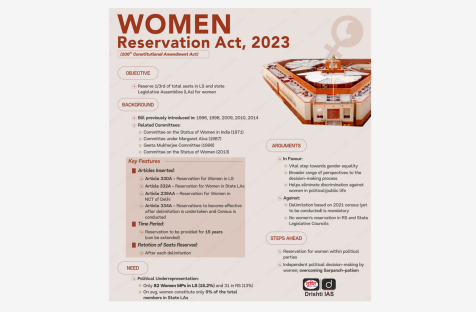
With the Women’s Reservation Bill being passed in Parliament last year, the debate on whether quota wit
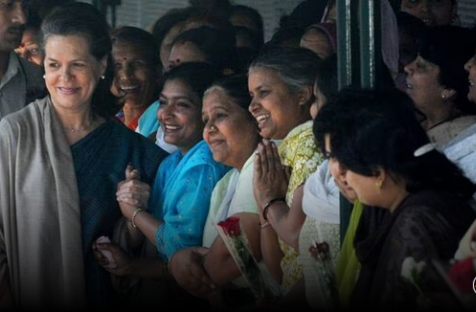
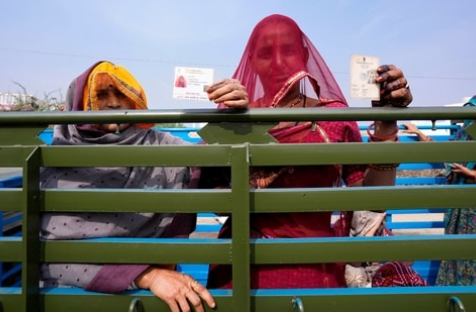
The real testimony to women’s political rights will come when they hold significant positions of power across the political spectrum
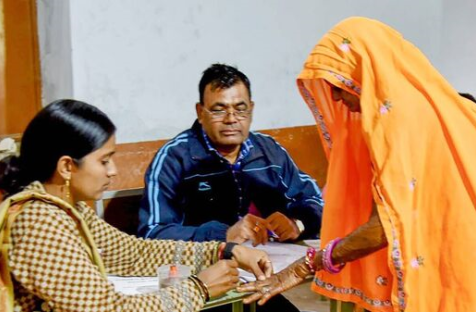
A major shift in India's electoral landscape is anticipated by the end of this decade. A report by the SBI has claimed that women voters in India will surpass male voters from 2029 onwards.
CHENNAI: Indian parliament has finally passed the historic women's reservation bill or to call it by its proper name Naari Shakti Vandan Adhiniyam.
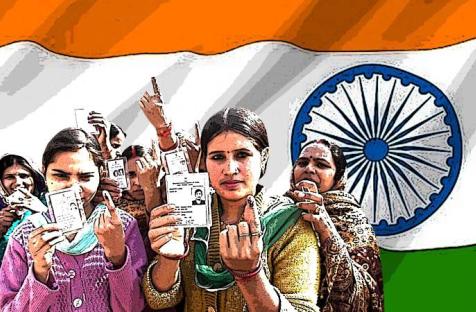
A noteworthy trend is emerging in Indian democracy, where women are choosing to participate in the electoral process. As the percentage of women voters rises across India, it is yet to be seen how future elections will be impacted.