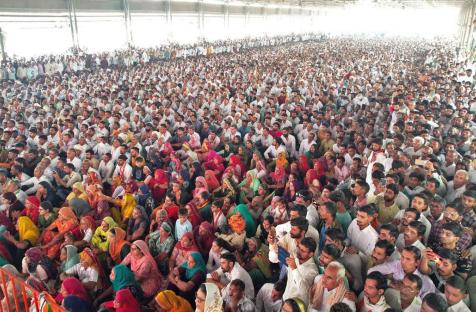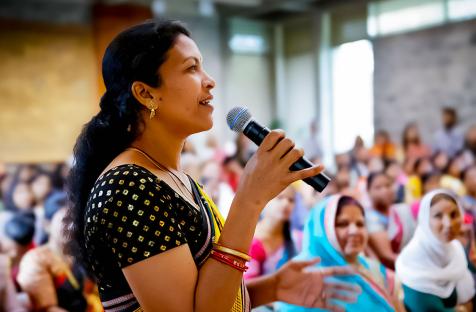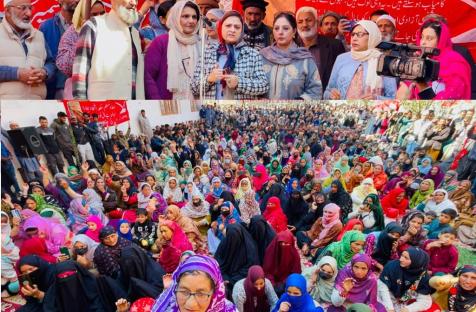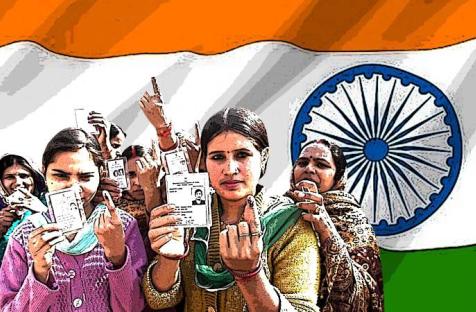
A noteworthy trend is emerging in Indian democracy, where women are choosing to participate in the electoral process. As the percentage of women voters rises across India, it is yet to be seen how future elections will be impacted.
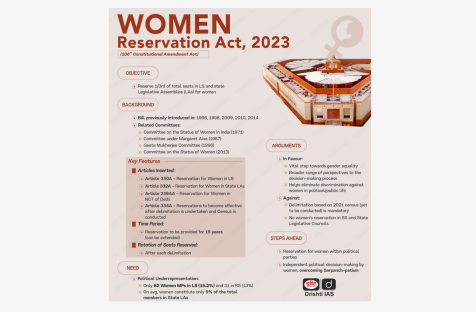
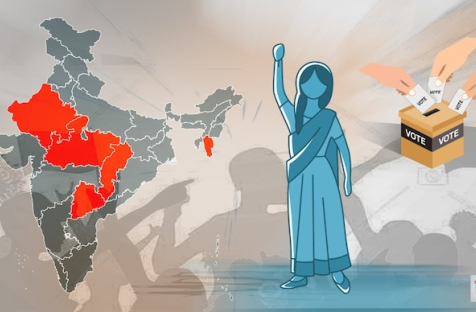
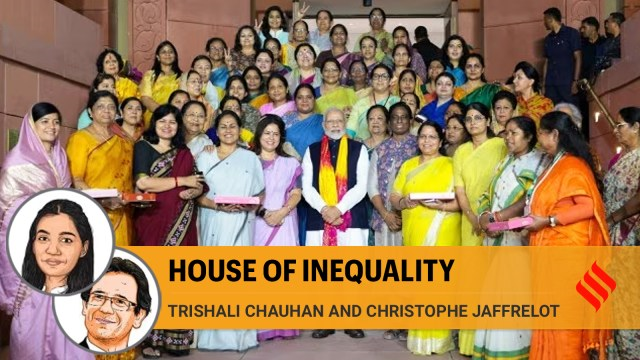
In what is arguably a significant step forward for women in politics, 2023 saw two important events: the passing of the Women's Reservation Bill, and an increase in women’s participation in the Assembly elections in various states.
In any country, the political empowerment of women is generally possible with two routes — the first is to reserve seats for women in legislature by means of legislation and the second is to have provision for quotas for women candidates within political parties while n
The Indian parliament passed a historic bill that necessitates the lower house of the parliament and the state legislatures
The legislative journey of the Women’s Reservation Bill began nearly three decades ago, in September 1996, when it was first introduced in Parliament.
Women have to ‘work twice as hard to get half as far’ as their male counterparts.
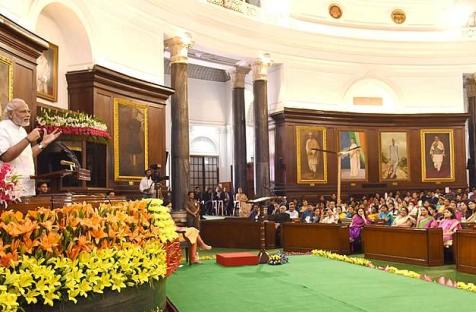
On 21 September, Indian legislators passed the first legislation considered in the country’s new Parliament building: the Women’s Reservation Bill, 2023.
Jammu and Kashmir National Conference senior leader and Women's wing State President Shameema Firdous on Friday said that political accountability to women begins with increasing the number of wo