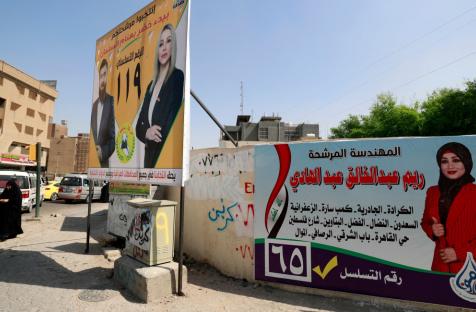
BAGHDAD, Sept 16 (Reuters) - A powerful mix of insecurity and traditional prejudice against more liberal female politicians put Awatef Rasheed off running for parliament when she returned to Iraq in 2014 after years abroad.
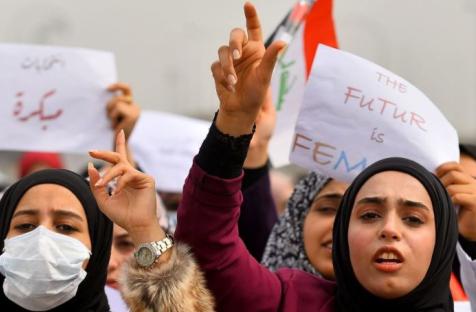
Amid attempts to transform the political system, feminists are looking for 50% representation in any new government.
Nearly two years after the defeat of the Islamic State in Iraq and Syria (ISIS), communities are working to rebuild, and local governments are challenged to respond to citizens’ needs in order to win their trust.
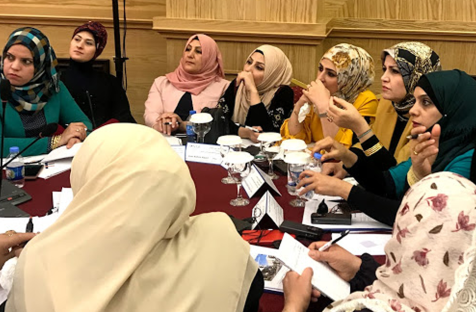
Deputy Special Representative of the UN Secretary General to Iraq, Alice Walpole, on Sunday called for an increase of women’s role in politics and include them in the decision-making process in Iraq and elsewhere.
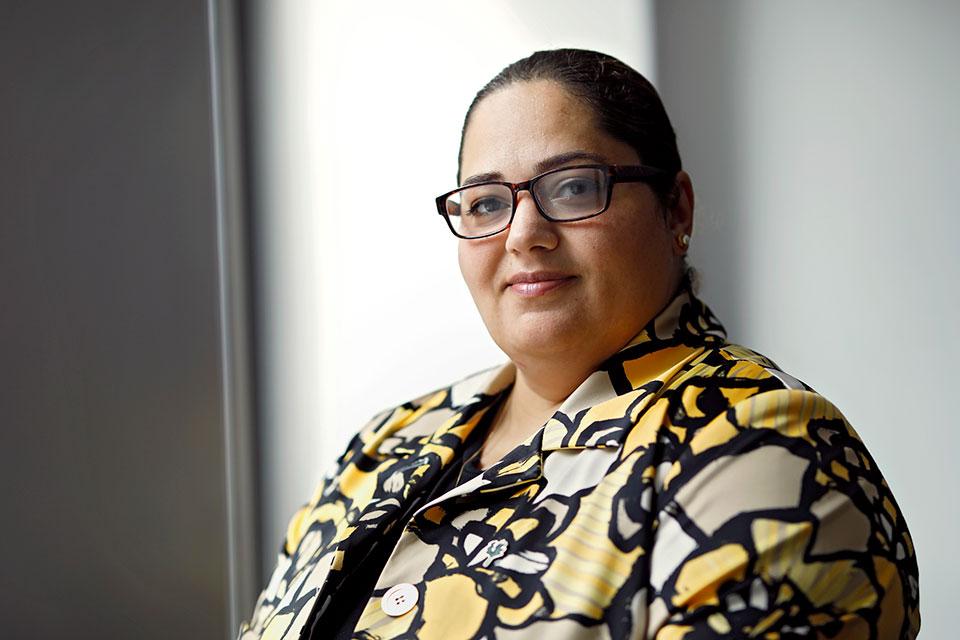
Tanya Gilly Khailany, from Iraqi-Kurdistan, is a former member of the Iraqi Parliament (2006 – 2010) and a co-founder of the SEED Foundation, an organization that works with survivors of violence and trafficking in Iraq.
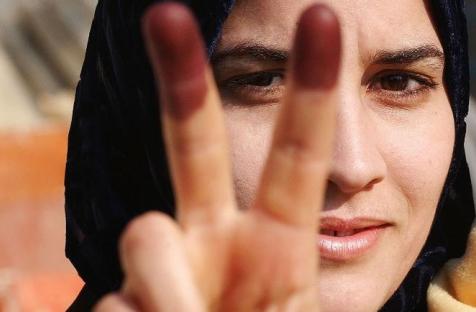
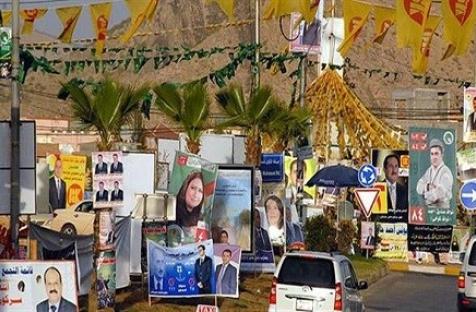
Whatever the outcome of Iraq's May 12 parliamentary elections, female candidates are guaranteed at least 25% of the seats, as per the country's constitution.
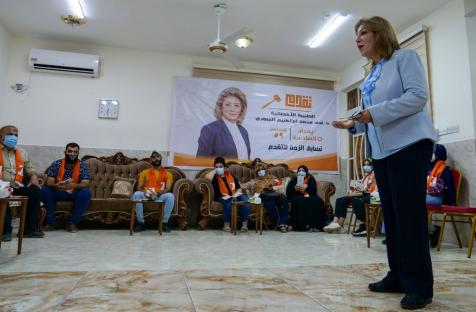
SULAIMANI, Kurdistan Region — Women in Kurdistan are heading several parties’ voting lists, and some don’t want Iraq’s 25-percent quota system to be seen as the reason for their candidacies in this year’s elections.