Kenya
Interviews
Crowded out by “big man” politics, Kenyan women still struggle in 2017 elections
Interviews
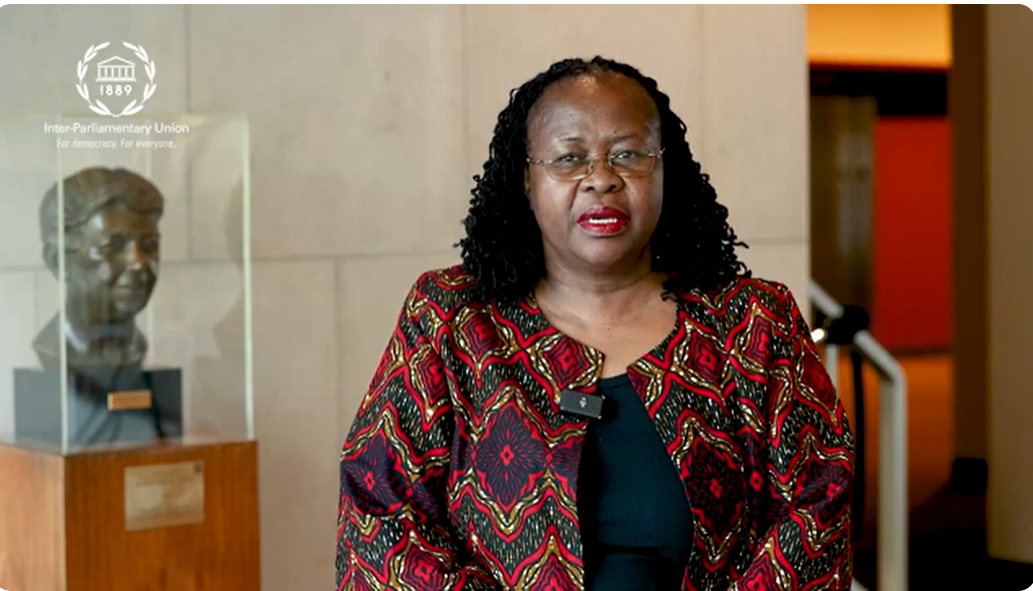
Joyce Laboso
Joyce Laboso
Key Gains and Challenges: A Gender Audit of Kenya's 2013 Election Process
“Every country deserves to have the best possible leader and that means that women have to be given a chance to compete. If they’re never allowed to compete in the electoral process, then the countries are really robbing themselves of a great deal of talent.” -Madeleine K.
Sometime in 1974, a woman in her mid thirties made history as Kenya’s first female assistant minister. She had just quit her position as an associate professor at the University of Nairobi to plunge into politics and clinched the Funyula Constituency seat.
Kenyan member of parliament Alice Wahome spoke about the violent abuse, harassment and humiliation she has experienced as a female politician at the launch of a report about women's participation in the March 2013 elections.
In March 2013, Sophia Abdi Noor was the only woman to stand for parliament in northern Kenya, a marginalised region where Islam has a lot of sway.
New laws designed to increase the number of elected women in Kenyan politics had no effect on the 2013 elections because those concerned failed to implement them, the Federation of Women Lawyers (FIDA) said.
Pagination
- Previous page
- Page 12
- Next page