March 15, 2013
Record number of women candidates in poll, Kenya
Kenyans head to the polls on Monday and the country is covered in campaign posters vying for their attention. Nairobi’s malls, stalls, trees and speed bumps have been plastered with candidates’ faces.
Kenyans head to the polls on Monday and the country is covered in campaign posters vying for their attention. Nairobi’s malls, stalls, trees and speed bumps have been plastered with candidates’ faces.
Highlighting news, interviews, resources and events on violence against women in politics
Ijara — As Kenyans go to the polls today, could Sophia Abdi Noor become the first ever Somali woman to be voted in to the Kenyan parliament?
(Read article at: allAfrica)
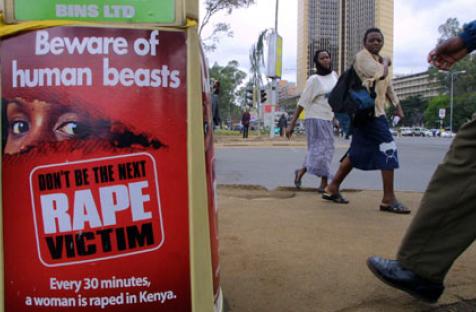
The testimonies filed to a Nairobi court last week are difficult to read. A woman is raped in front of her daughter, first by police and then by looters. A student is dragged into the bush and has his foreskin cut off.
UNDP has designed a new project that will aim to build an enabling environment to boost women’s economic empowerment and political participation.

Kenyans head to the polls on Monday and the country is cove
The detractors' script reads Martha Karua is a intransigent, tough, hard, mean lady and we saw this in the lead up to the coalition government and she has tried to soften her stand by wearing African prints, by going into studios to perform with rap musicians, by speaking in Kiswahili all