Kahurangi Carter

Member of Parliament, Green Party, from New Zealand
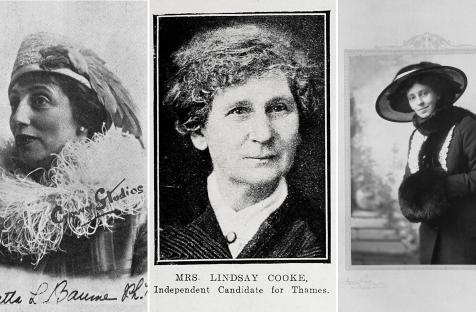
The Women’s Parliamentary Rights Act became law on 29 October 1919, allowing women to stand for election to the House of Representatives. This was just in time for the general election on 16 - 17 December 1919.

Theonila Roka Matbob, one of the most prominent female candidates in the Bougainville election, has lost her seat.
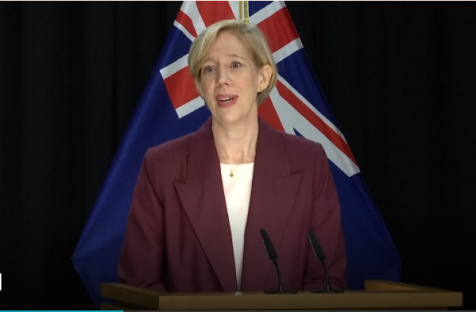
New Zealand has brought in a Swedish economist to run its central bank as it seeks to end a period of turmoil at the top of the institution and steer the country away from the brink of a “double-dip” recession.
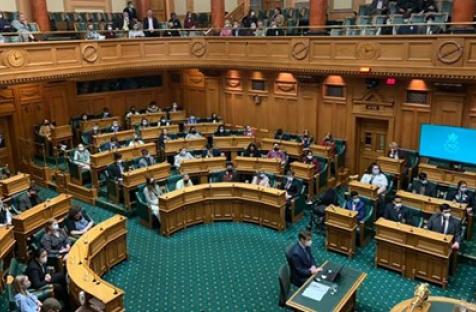
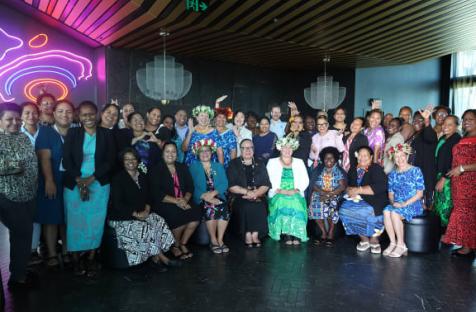
Auckland, New Zealand – Numbers speak volumes, and in the Pacific, they tell a concerning story: less than 7 percent of parliamentarians are women.
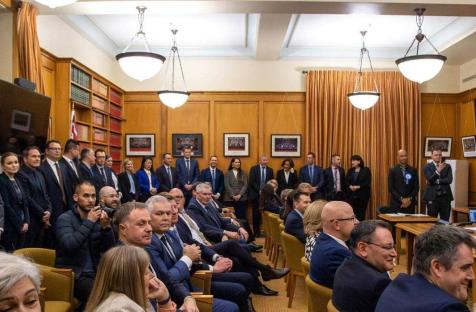
One of the widest smiles at the front of the National Party’s first group photo belonged to 32-year-old Katie Nimon, the new MP for Napier who not only took the seat from the Labour Party, but is

The youngest MP in 170 years is Te Pāti Māori's Hana-Rawhiti Maipi-Clarke, aged 21, who won the Hauraki-Waikato electorate.

Regardless of your political compass, New Zealand will be sure of one thing on Sunday morning: our young female candidates have shown they were the real winners of the election.