Political violence against women: A case from the Central African Republic

Sitting at her desk with the Central African flag behind her, Beatrice Epaye’s sustained gaze hints at courage and determination. And she has both in quantities.
Sitting at her desk with the Central African flag behind her, Beatrice Epaye’s sustained gaze hints at courage and determination. And she has both in quantities.

President Uhuru Kenyatta’s inaction on former Chief Justice David Maraga’s September 2020 recommendation to dissolve Parliament for failure to enact gender parity laws is the latest bump in the long road to equality for Kenyan women in political leadership.
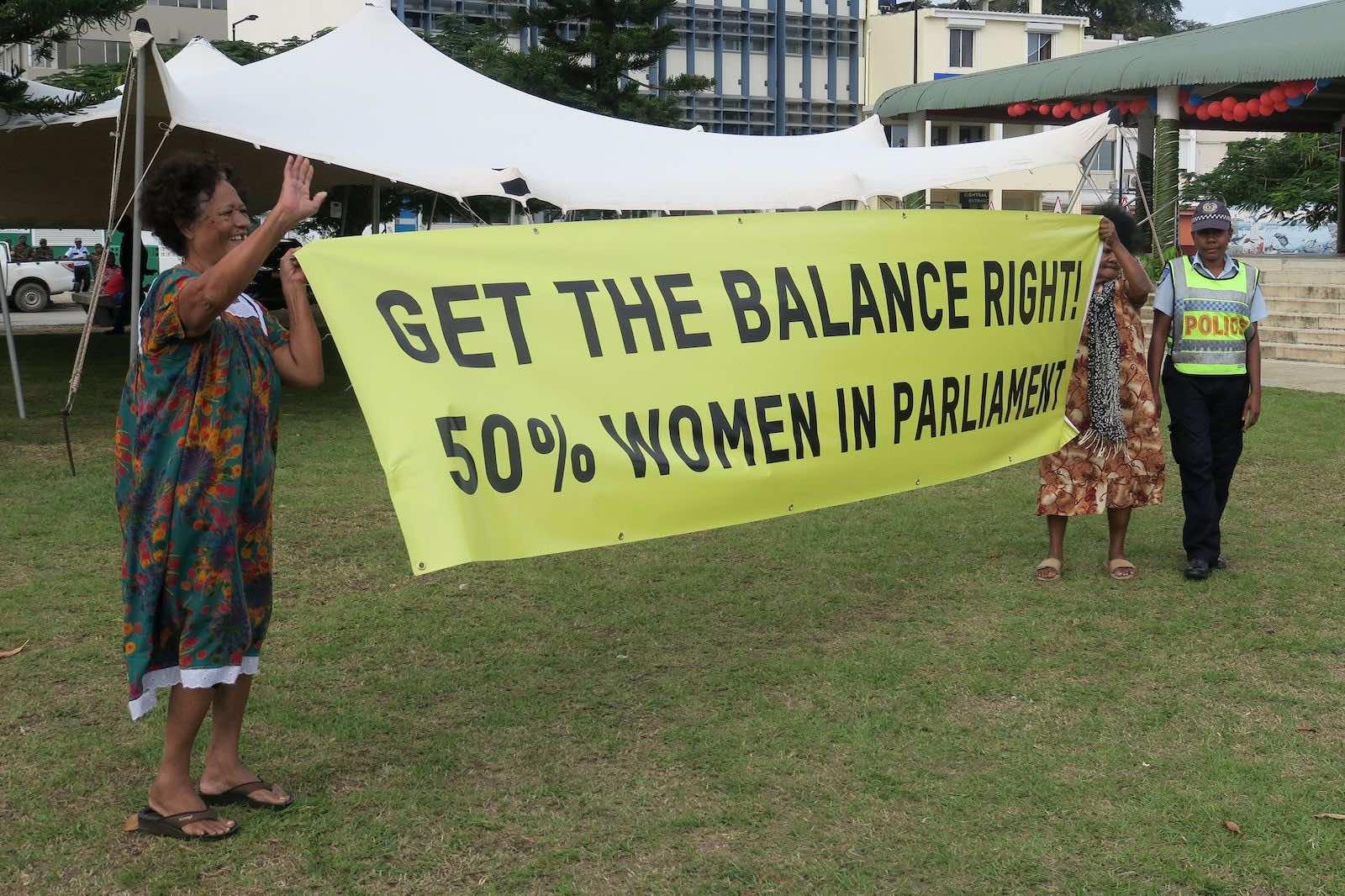
But what is far too often the exception should become the norm.

Every decision a parliamentarian makes is a chance to advance gender equality. From choosing a topic for an oversight inquiry to drafting legislative amendments, gender-sensitive scrutiny can help bring inequalities to the surface and find remedies.

As the 2022 midterm election season gets underway, speculation is already mounting that it’s going to be another banner year for female

New Zealand was the first country in the world where women won the right to vote and it’s now a leader for gender parity in politics.

Political parties are considered gatekeepers for women’s access to political positions, as they play an important role in institutionalizing women’s inclusion in politics.
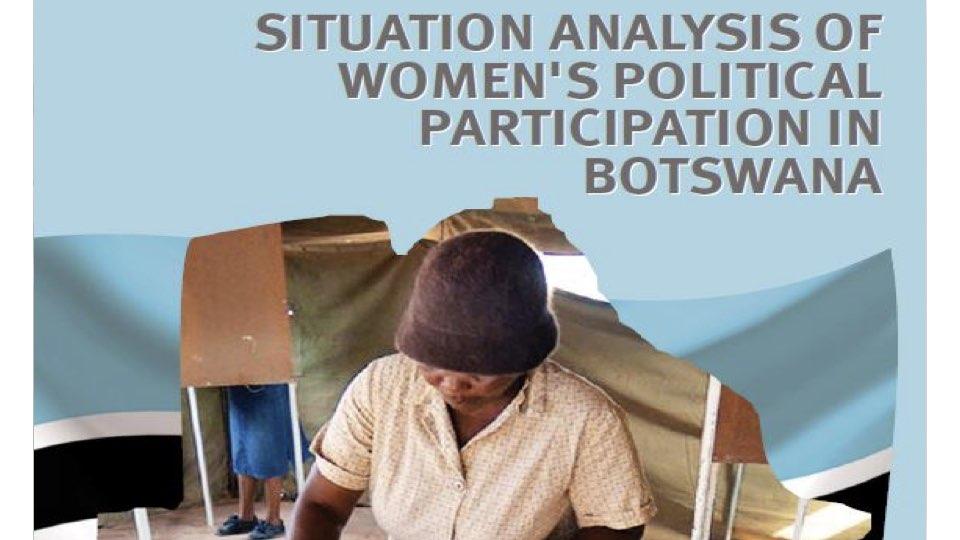
With less than a decade to go to 2030, the deadline for the Sustainable Development Goals, women constitute just 11% of MPs and 18% of councillors in Botswana: well below the gender parity target and among the lowest proportions in Southern Africa.
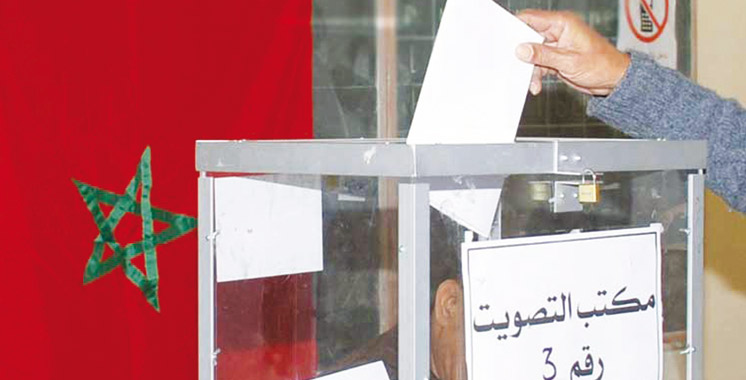
In 2011, the Arab Spring precipitated fervent calls for democratic reforms, leading the Moroccan government to enact gender quotas that reserved seats for women in Parliament as well as regional, district, and communal councils.