Was the Trump Election a Setback for Women? Even Women Do Not Agree.

To many left-leaning Americans, it is resoundingly clear that women who backed Donald J. Trump in the presidential election voted against their own self-interest.
To many left-leaning Americans, it is resoundingly clear that women who backed Donald J. Trump in the presidential election voted against their own self-interest.

In elections across the globe, the spotlight has been trained on the question of women’s representation, and rightly so. How vibrant can a democracy be if half of its population does not find adequate representation in politics or in the corridors of power?

The global movement for gender equality has driven change across many sectors, but political representation remains one of the most formidable challenges.

Hillary Clinton's loss in 2016 made some voters question whether a woman can be president.

Gender remains a significant indicator for political preference. While the 'gender vote gap' isn't new, recent polling data on the US election indicates the gap in voting preference between men and women seems to be widening. But why?
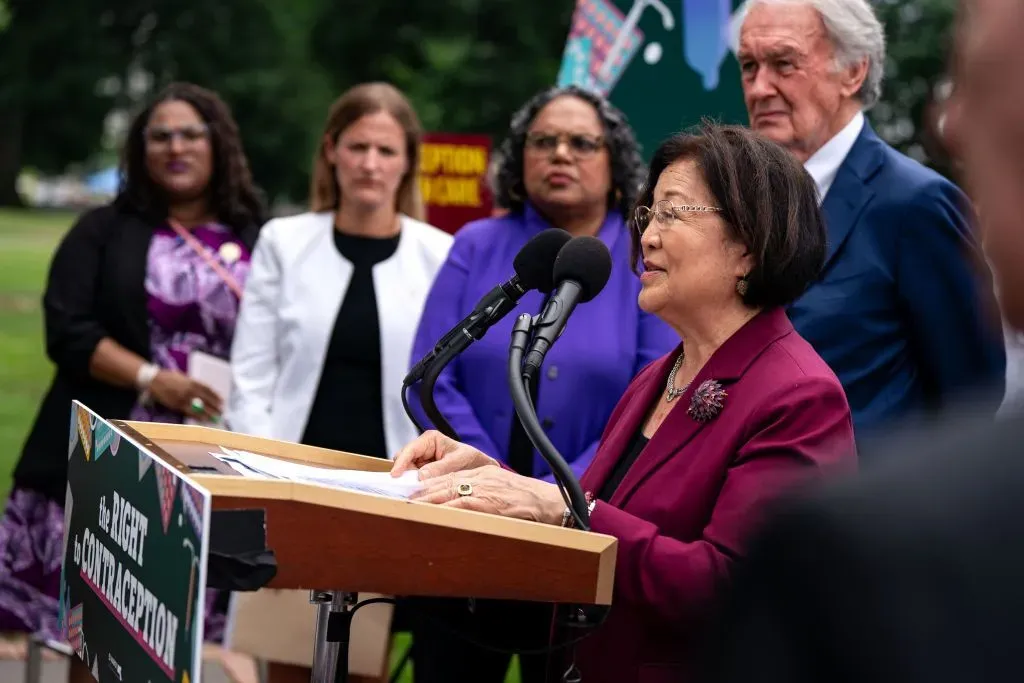
In order to achieve true parity, the U.S. needs affirmative actions—gender quotas established by law. This will ensure that women are selected, appointed and supported in politics.

Women are leaving Quebec politics not because of sexism or double standards or a lack of work-family balance, but because they feel underused in the process of government, according to a survey of 21 women who served in public life.

As we gear up for one of the most pivotal elections in history, it’s clear that women are more politically inspired than ever.
