Podcast: Rosie Campbell on how women shape elections

Rosie Campbell is professor of politics and Director of the Global Institute for Women’s Leadership at King’s College London, where she works with Julia.
Multimedia
Rosie Campbell is professor of politics and Director of the Global Institute for Women’s Leadership at King’s College London, where she works with Julia.
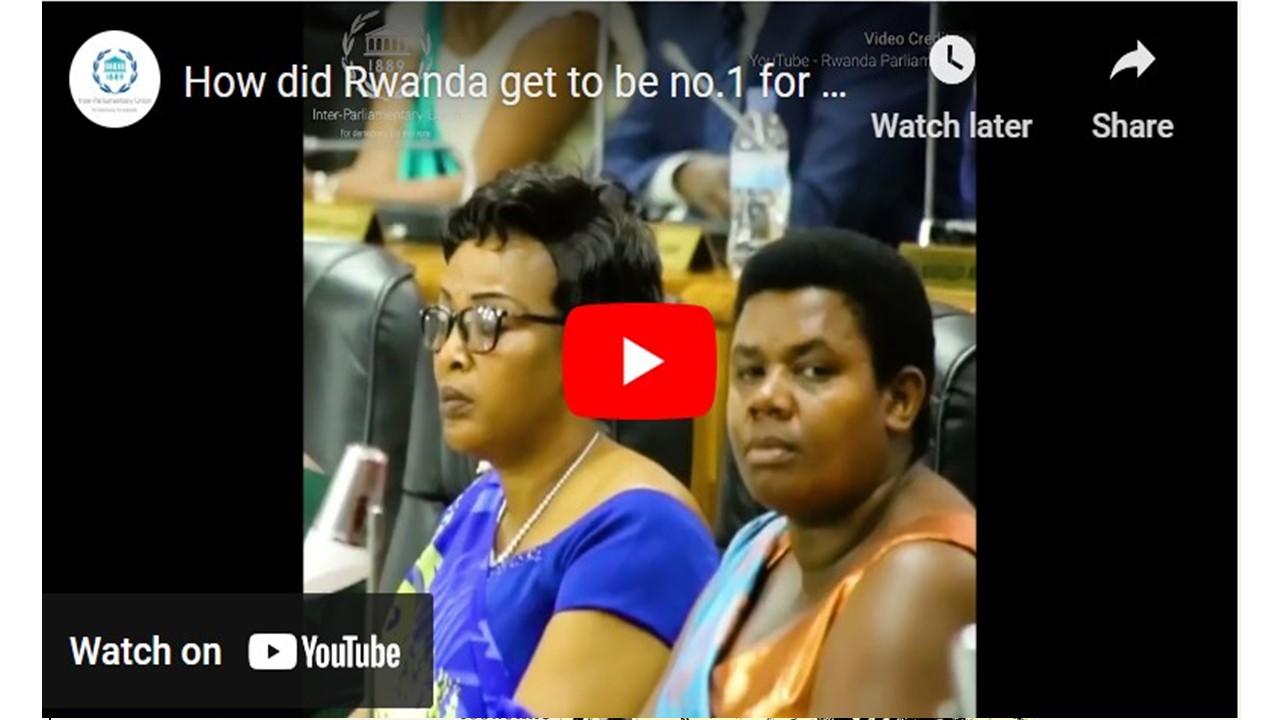
In 2008, the Rwanda Chamber of Deputies was the first elected national parliament where women were the majority. The proportion of MPs who are women is at 61.25% today, way above the current global average of 26.4%.

What are the criteria that make a parliament gender-sensitive? Which parliaments are more gender-sensitive than others? How can your parliament become more gender-sensitive? Answers in this short video.

Fixing discrimination isn't as easy as putting anti-discrimination laws on the books. But, there is a tool that can at least chip away at the effects of discrimination: quotas.

The 14th Summit of Women Speakers of Parliament (14SWSP), convened by the Inter-Parliamentary Union (IPU), in close cooperation with the Oliy Majlis (Supreme Assembly) of Uzbekistan, took place in-person, in Tashkent (Uzbekistan), from 8 to 9 September 2022.
About Women in Political Participation Project
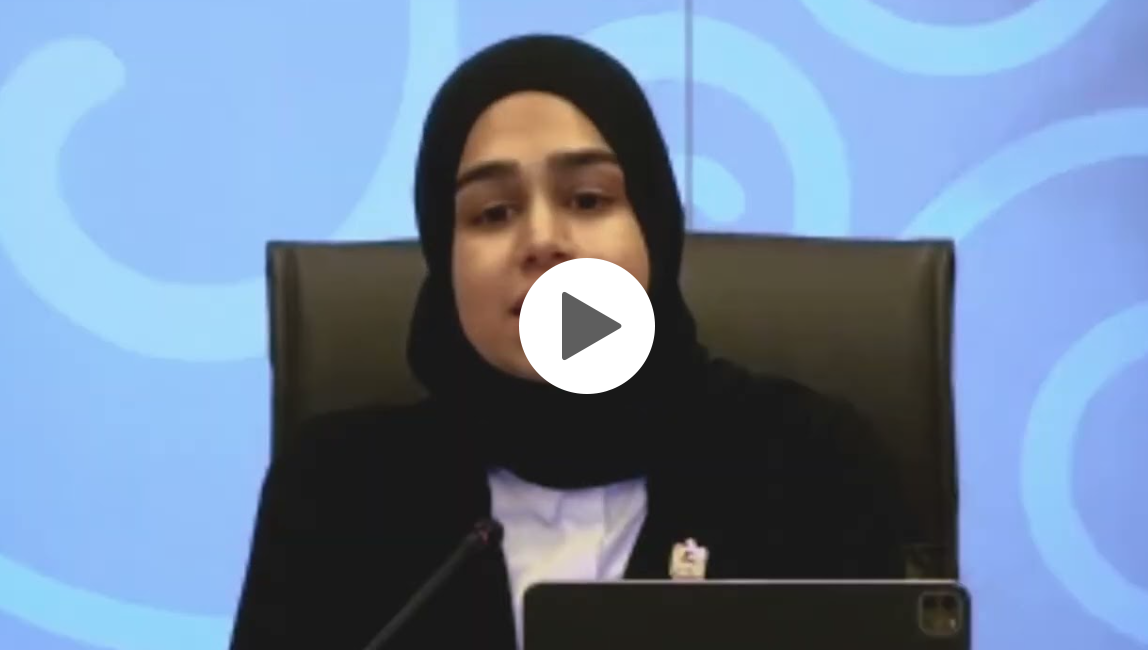
As part of the IPU series called 'A conversation with...', we interview parliamentarians from all over the world to find out who they represent and what motivates them. In this edition, we discover Sara Falaknaz, a parliamentarian from the United Arab Emirates.

As part of the IPU series called 'A conversation with...', we interview parliamentarians from all over the world to find out who they represent and what motivates them. In this edition, we discover Iqra Khalid, a parliamentarian from Canada.
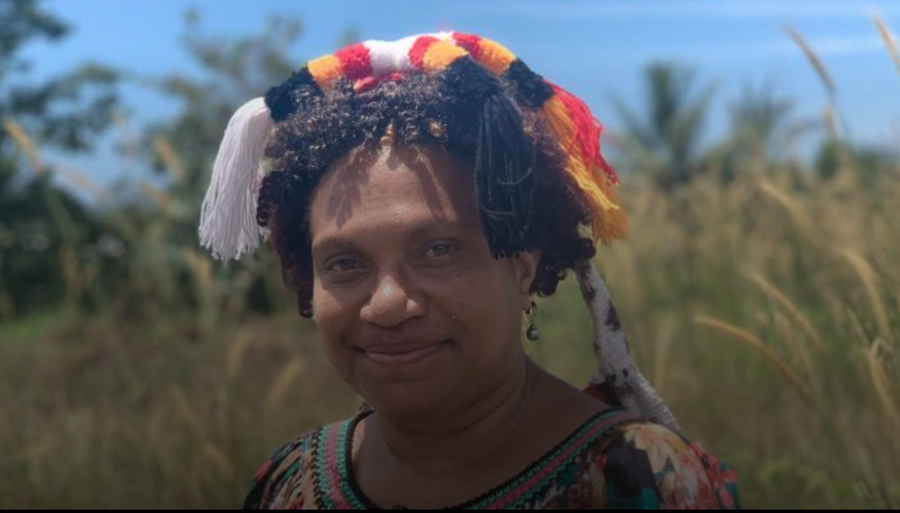
Kessy Sawang has been elected as MP for Madang Rai Coast and joins Rufina Peter as the second woman admitted to PNG's parliament this election.