November 11, 2014
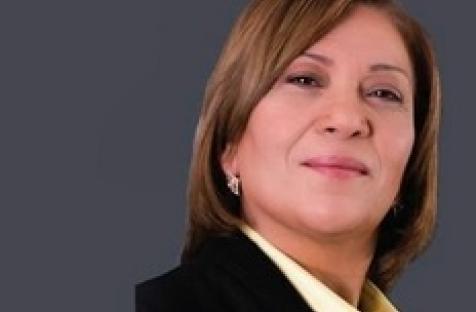
Woman Running for President Shows Tunisia’s Arab Spring Progress
In a life spanning colonial rule, war, autocracy and revolution, Tunis resident Halima never saw a reason to vote.
In a life spanning colonial rule, war, autocracy and revolution, Tunis resident Halima never saw a reason to vote.
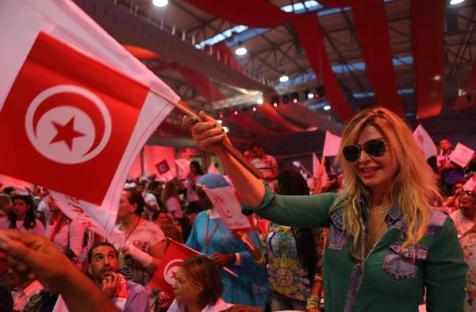
Tunisia, despite being the most advanced Arab nation in terms of women's rights, is still fare from adhering fully to the principles enshrined in the January 2014 Constitution and from abiding by the ratification of international treaties in daily life.
One of the UN's most senior leaders has warned against Western intervention in Syria, drawing on her experience as prime minister of New Zealand when she decided not to take the country to war with Iraq.
When citizens in the Middle East and North Africa (MENA) took to the streets in early 2011 in demonstrations that toppled autocratic regimes, one after another, a new democratic rule with more rights and representation for all, including women, were chief among the demands.
Arab women played a central role in the Arab Spring, but their hopes the revolts would bring greater freedom and expanded rights for women have been thwarted by entrenched patriarchal structures and the rise of Islamists, gender experts in the countries say.
Director of Appropriate Communication Techniques for Development (ACT) in Cairo, since 1990 Kamel has prepared Egyptian women to run for political office while advocating laws that uphold women's rights and criminalize domestic violence.