Voces del Cambio: Silvana Pissano, Alcaldesa del Municipio B de Montevideo
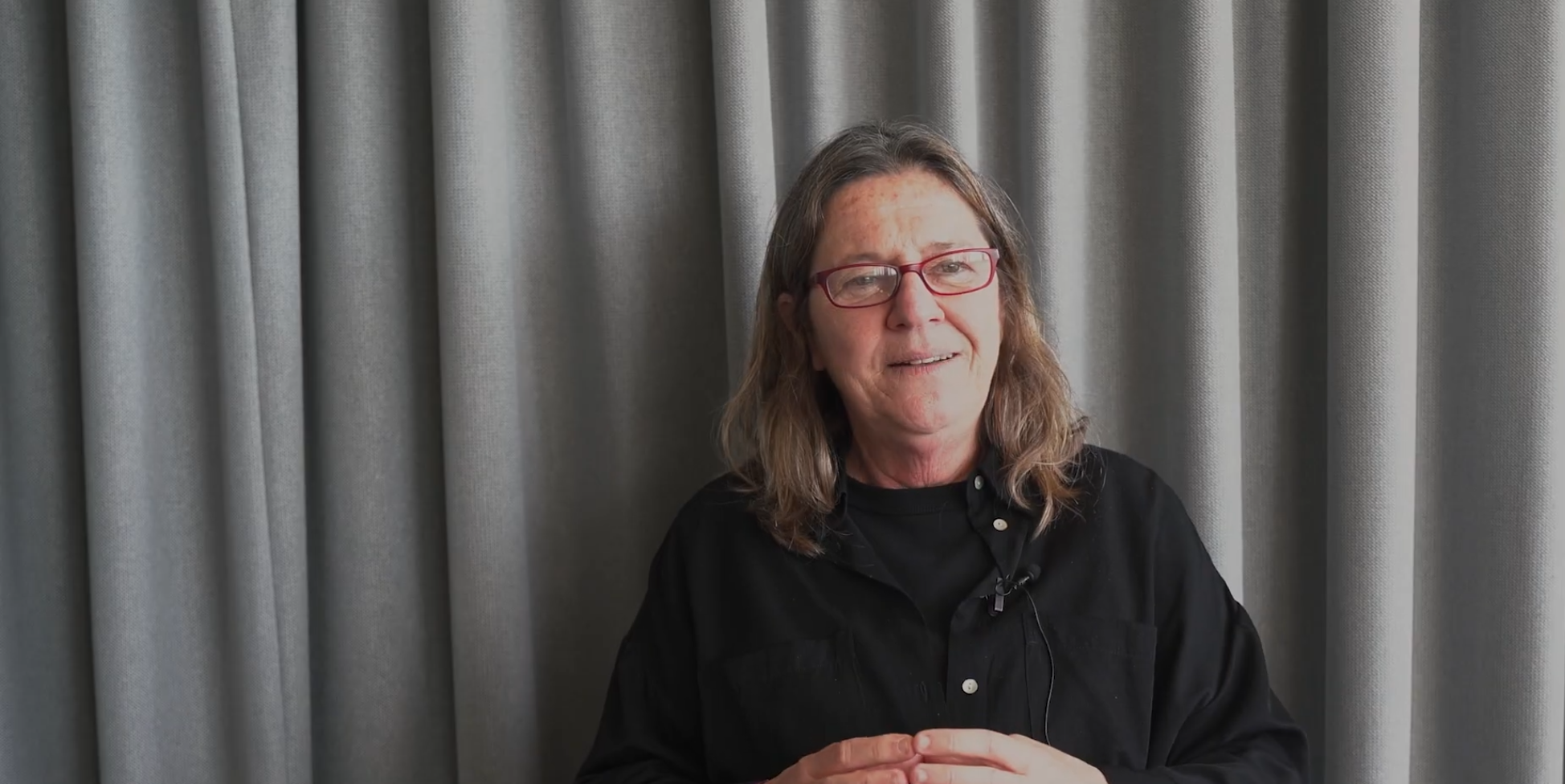
Alcaldesa del Municipio B de Montevideo
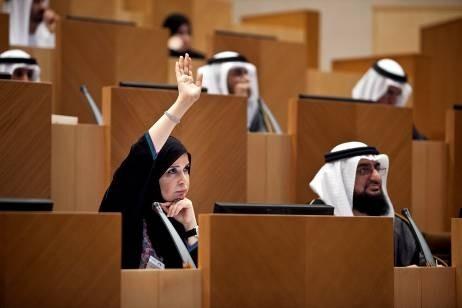
Democracy and the equal participation of men and women in the political arena are closely intertwined. No parliament or any decision-making body can claim to be representative without the participation of both men and women. As stated in the Universal Declaration on Democracy adopted by the Inter-Parliamentary Union’s Member Parliaments in 1997, "The achievement of democracy presupposes a genuine partnership between men and women in the conduct of the affairs of society in which they work in equality and complementarity, drawing mutual enrichment from their differences."
Recent years have seen a steady increase in the number of women in parliament, though the world average of less than 22 percent remains far from the goal of parity between women and men. The election of women to the highest positions of state and government in several countries has also contributed to the changing face of politics.
While the road to election is a difficult one, the challenges for women do not stop there. Once women enter parliament or other bodies, they are faced with many new challenges. Parliament is traditionally a male-oriented domain where the rules and practices have been written by men. It is, therefore, an ongoing challenge to transform parliament into a gender-sensitive environment, to ensure that actions are gender-sensitive and to guarantee that gender is mainstreamed throughout the legislature.
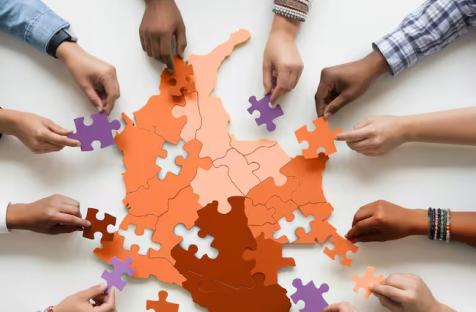
Este martes y previo a la realización de las elecciones al Congreso y la Presidencia de 2026, ONU Mujeres presentó su estudio 3.000 voces por la democracia: Experiencias de candidatas en Colombia para erradicar la violencia política contra las mujeres.
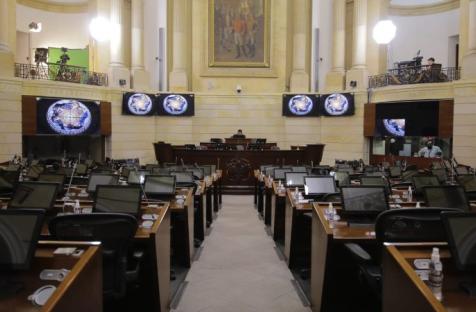
La participación femenina en la política colombiana ha mostrado una evolución sostenida durante los últimos cuatro periodos legislativos, consolidándose como un factor clave en el funcionamiento del Congreso de la República.
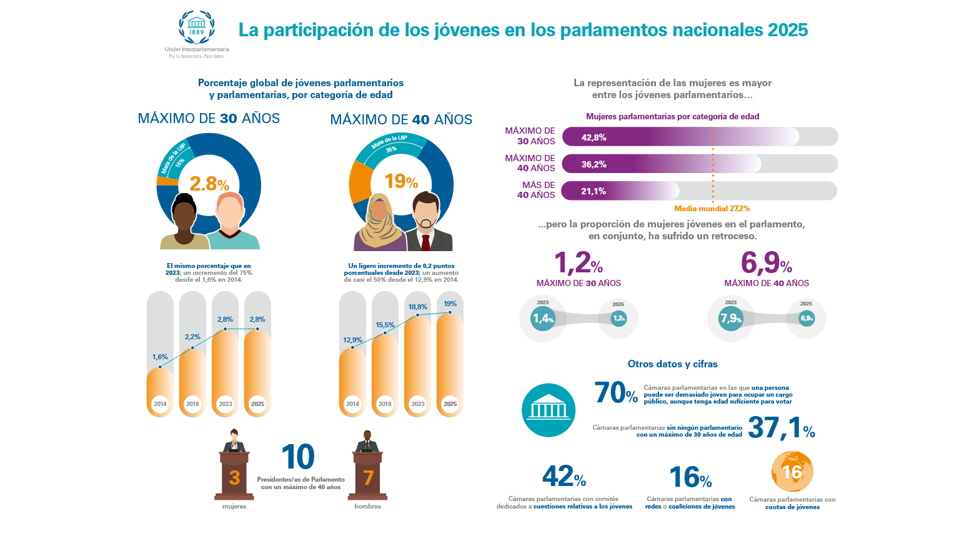
Conclusiones clave
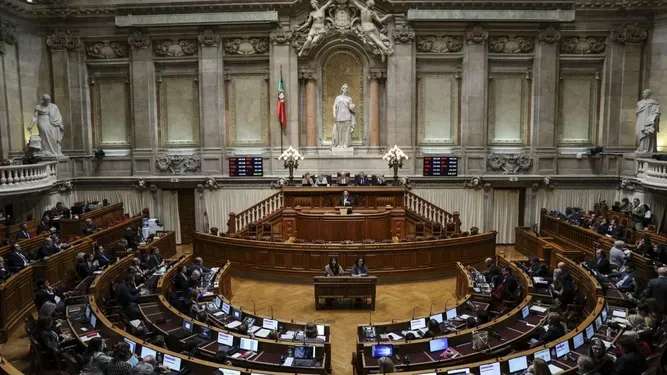
El informe de evaluación sobre la aplicación de la ley de paridad, concluido en septiembre, fue presentado a la Asamblea Legislativa, y el Ministerio de Cultura, Juventud y Deporte dio a conocer algunas conclusiones.
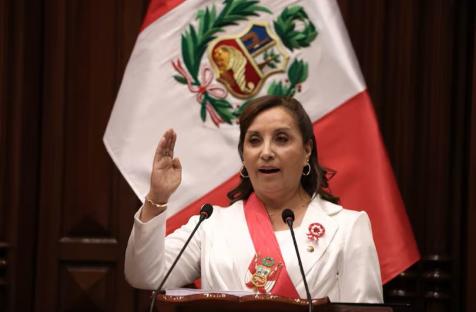
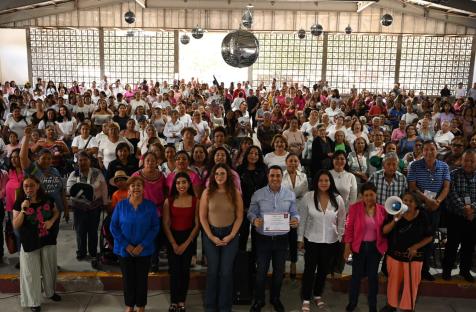
Con la visión de la gobernadora Margarita González Saravia, de construir un Morelos libre de violencias y con igualdad sustantiva, la Secretaría de las Mujeres del Poder Ejecutivo del Estado de Morelos, en coordinación con la Secretaría de las Mujeres del Gobierno de Mé
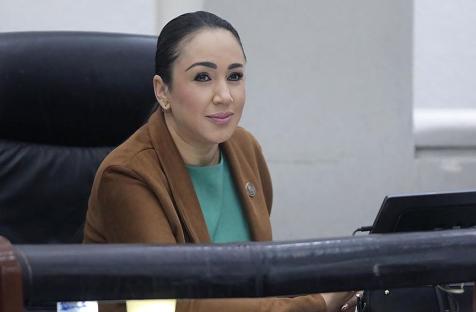
La diputada Brisseire Sánchez López representante del Distrito XV afirmó que la participación política de la mujer es fundamental en el trabajo legislativo y en el primer año como integrante de la LXIV Legislativa, ha impulsado acciones para que la mujer indígena esté b
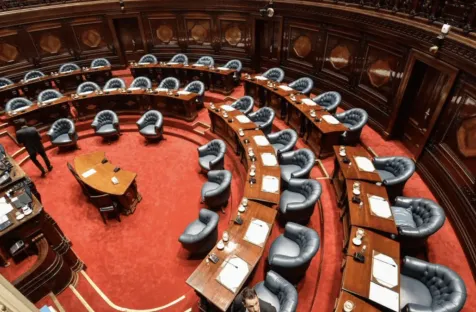
En consecuencia con los indicadores de participación política de la región y del mundo, la representación parlamentaria uruguaya sigue estando predominada por hombres, aunque el Ingreso de figuras femeninas a la Cámara Alta y la Cámara Baja ha incrementado de periodo a