Aller au contenu principal

Parliaments and Representatives

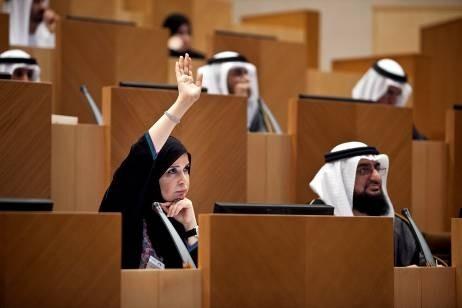
Democracy and the equal participation of men and women in the political arena are closely intertwined. No parliament or any decision-making body can claim to be representative without the participation of both men and women. As stated in the Universal Declaration on Democracy adopted by the Inter-Parliamentary Union’s Member Parliaments in 1997, "The achievement of democracy presupposes a genuine partnership between men and women in the conduct of the affairs of society in which they work in equality and complementarity, drawing mutual enrichment from their differences."

Recent years have seen a steady increase in the number of women in parliament, though the world average of less than 22 percent remains far from the goal of parity between women and men. The election of women to the highest positions of state and government in several countries has also contributed to the changing face of politics.

While the road to election is a difficult one, the challenges for women do not stop there. Once women enter parliament or other bodies, they are faced with many new challenges. Parliament is traditionally a male-oriented domain where the rules and practices have been written by men. It is, therefore, an ongoing challenge to transform parliament into a gender-sensitive environment, to ensure that actions are gender-sensitive and to guarantee that gender is mainstreamed throughout the legislature.

September 27, 2019
Au Népal, une lutte difficile pour l’égalité des genres

Depuis dix ans, la part des femmes a augmenté de manière spectaculaire au Parlement du Népal. Ceci grâce à un système de quotas inscrit dans la Constitution de 2015, une des plus progressistes d’Asie.

mai 29, 2019
En Afrique du Sud, la moitié des ministres sont des femmes

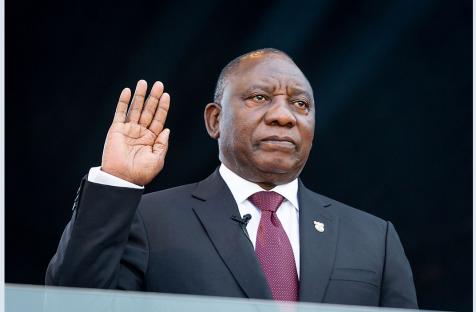
Après avoir mené son parti, le Congrès national africain (ANC), à la victoire aux élections législatives du 8 mai, le président sud-africain, Cyril Ramaphosa, a annoncé, mercredi 29 mai, avoir ramené le nombre de ministres de 36 à 28, dont

mai 22, 2019
Parlement européen : une féminisation continue mais partielle

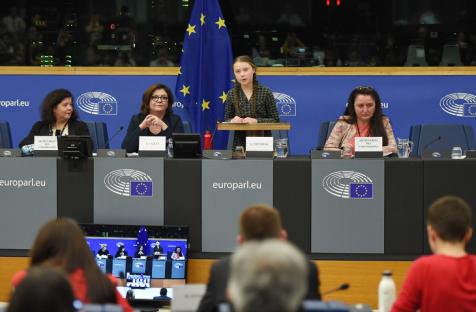
Depuis 1979, le nombre de députées a doublé au Parlement européen, mais les femmes y restent encore minoritaires, particulièrement aux postes clés.

- Un tiers des eurodéputés

février 28, 2019
Elections des gouverneurs en RDC : les femmes de moins en moins dans la course

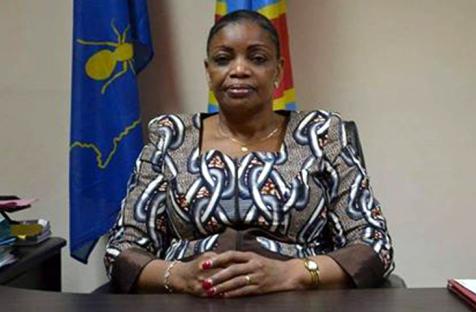
Après l’élection du président de la République, des députés nationaux et provinciaux, l’heure est à la course pour les postes de gouverneurs et sénateurs.