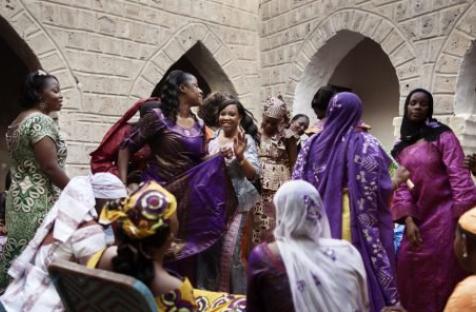
Engagées, écoutées, respectées, mieux représentées au niveau local, les Maliennes occupent une plus grande place dans le paysage politique et dans l’état-major des partis.
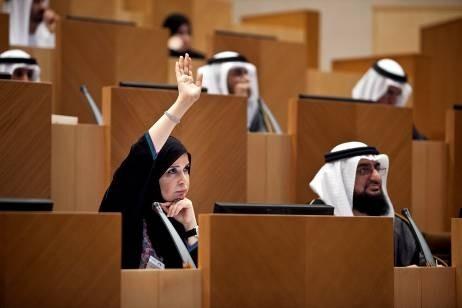
Democracy and the equal participation of men and women in the political arena are closely intertwined. No parliament or any decision-making body can claim to be representative without the participation of both men and women. As stated in the Universal Declaration on Democracy adopted by the Inter-Parliamentary Union’s Member Parliaments in 1997, "The achievement of democracy presupposes a genuine partnership between men and women in the conduct of the affairs of society in which they work in equality and complementarity, drawing mutual enrichment from their differences."
Recent years have seen a steady increase in the number of women in parliament, though the world average of less than 22 percent remains far from the goal of parity between women and men. The election of women to the highest positions of state and government in several countries has also contributed to the changing face of politics.
While the road to election is a difficult one, the challenges for women do not stop there. Once women enter parliament or other bodies, they are faced with many new challenges. Parliament is traditionally a male-oriented domain where the rules and practices have been written by men. It is, therefore, an ongoing challenge to transform parliament into a gender-sensitive environment, to ensure that actions are gender-sensitive and to guarantee that gender is mainstreamed throughout the legislature.
Engagées, écoutées, respectées, mieux représentées au niveau local, les Maliennes occupent une plus grande place dans le paysage politique et dans l’état-major des partis.
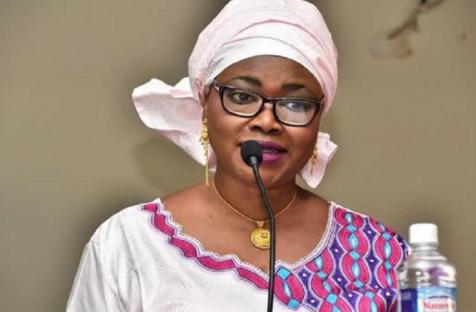
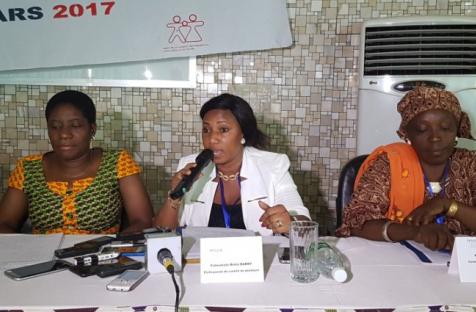
La faible représentativité des femmes au sein du nouveau gouvernement suscite déjà des réactions au niveau du cadre de concertation des filles/femmes des partis politiques de Guinée, selon Fatoumata Binta Barry, porte-parole dudit cadre.
Une femme d’affaires de 46 ans, Rohey Malick Lowe, a été élue samedi maire de la capitale gambienne, Banjul, devenant la première femme portée à la tête d’une municipalité dans l’histoire politique de ce petit pays d’Afrique de l’Ouest, a annoncé dim
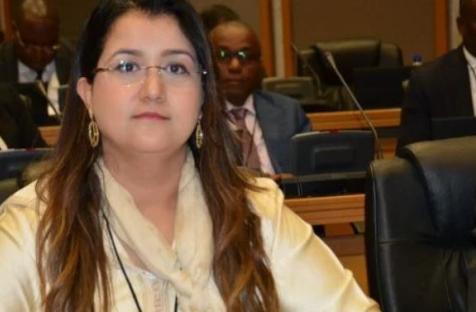
C’est le 7 mai que le Maroc faisait officiellement son entrée au Parlement panafricain.
En 1995, seulement 12% des députés étaient des femmes au Parlement fédéral. Aujourd’hui, elles représentent près de 40% des parlementaires.
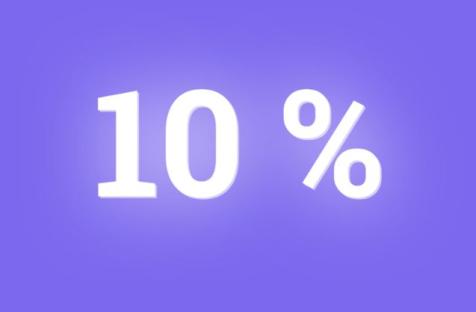
La Chambre des représentants japonaise ne comporte que 10,1 % de femmes, soit 47 députées sur 465.
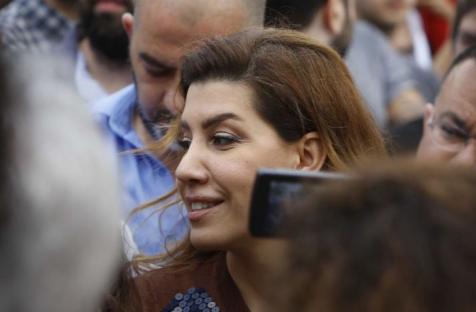
Le nouveau Parlement libanais comprendra six élues, une augmentation modeste mais remarquée par rapport aux quatre femmes députées qui siégeaient dans l'hémicycle depuis 2009.
Le deuxième rapport parlementaire mondial est produit conjointement par le Programme des Nations Unies pour le développement (PNUD) et l'Union interparlementaire (UIP).