Aller au contenu principal

Post-conflict and Transitional Participation

According to the Ploughshares, in 2005, armed conflicts raged in 27 countries. In five of them, casualties exceeded 100,000 people, and the indirect costs in human capital, infrastructure and effect on future development are beyond estimation. The transition period begins when wars end through negotiated settlements or other means. With international and regional assistance, parties seek ways to deter the cycle of conflict by establishing a stable government to protect and provide for its citizens.

Formally and informally, women around the world are contributing to post-conflict reconstruction in the areas of security, justice and reconciliation, governance and socio-economic development. In 2000, the United Nations (UN) Security Council passed resolution 1325, a landmark decision mandating the participation of women in peace processes. Since the adoption of the resolution, awareness of the importance of including women in peace and reconstruction processes has grown enormously. Yet, implementation of the resolution’s mandate remains sporadic and ad hoc, and the gaps in practice are vast. Nonetheless, women’s participation in post-conflict reconstruction processes continues to increase.

In Sri Lanka, pressure by women’s organizations led to the establishment — within the structure of the formal negotiations — of a ten-member Subcommittee on Gender Issues in 2002. In Northern Ireland, women representatives were trusted as mediators during conflict negotiations, with such trust stemming from the women’s platform of respect for human rights, inclusion and equality. In Haiti, the women’s ministry and women’s organizations participated in a consultative process, resulting in the UN mission incorporating women’s priorities into its mandate and establishing the Disarmament, Demobilization and Reintegration Programme. In Rwanda, women formed the first cross-party parliamentary caucus composed of both Hutus and Tutsis, addressing issues of concern to women from all political parties. In Sierra Leone, a women’s task force was established to foster women’s participation in the design of the Truth and Reconciliation Commission and the special unit investigating war crimes. According to the World Bank, in Afghanistan, efforts by the international community and local women’s organizations have led to girls accounting for 40 percent of all children attending school in 2003, compared to only 9 percent before the war.

While significant and encouraging, such examples and best practices do not equate with the systematic inclusion of women in peace processes. It remains critical to amplify the role and contribution of women during political transitions to capitalize on this window of opportunity.

NATO
mars 7, 2024
Les femmes, la paix et la sécurité

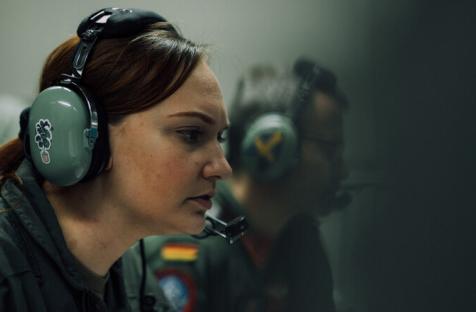
L’OTAN a conscience de l’effet disproportionné des conflits sur les femmes et les filles, du rôle essentiel des femmes en faveur de la paix et de la sécurité, et de l’importance d’intégrer la dimension de genre dans toutes les activités de l’Alliance.
décembre 8, 2021
Participation des femmes en politique: un plan d’action de la Coalition nationale des femmes à l’étude

Le Réseau ouest-africain pour l’édification de la paix (Wanep) a organisé, du 23 au 24 novembre 2021, en collaboration avec la Communauté économique des Etats de l’Afrique de l’ouest (Cedeao) et le programme régional du Pnud pour l’Afrique, un atelier de de validation

novembre 4, 2021
Femmes et élections: La Minusma innove avec le «Vestibule de veille» au Mali

Minusma a lancé dans l’après-midi de jeudi dernier 28 octobre 2021 le projet de salle de veille des femmes (Women Situations Rooms) et a inauguré le premier «Vestibule de veille» à Bamako (ACI Sotuba, près de l’école des lutins).

avril 12, 2021
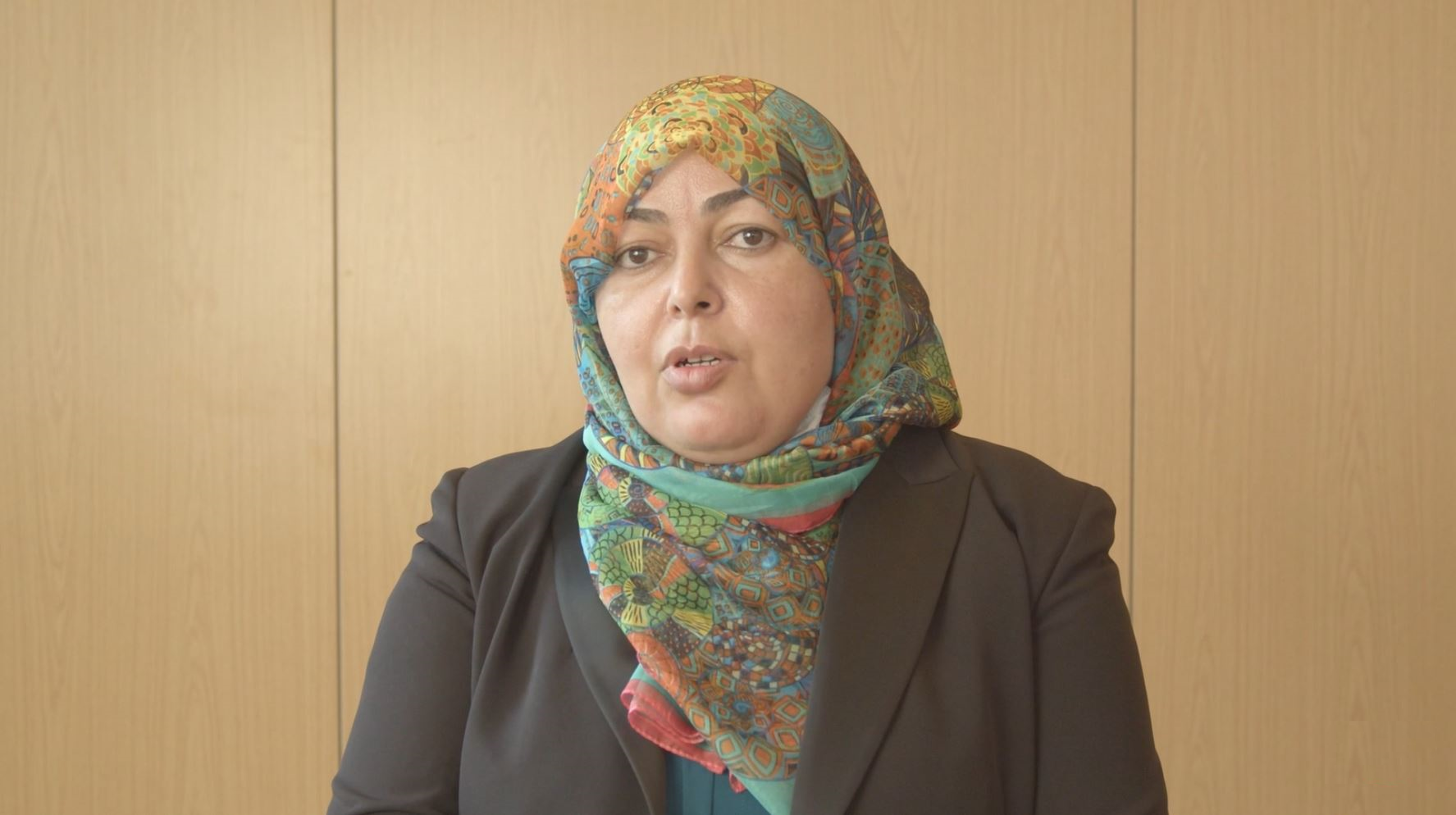
Libye : qui sont les cinq femmes du nouveau gouvernement ?

Pour la première fois dans l’histoire récente de la Libye, cinq femmes occuperont d’importants ministères dans le nouveau gouvernement guidé par Abdelhamid al-Dabaiba, dont celui des Affaires étrangères et de la Justice.

Disc. en ligne

Les femmes dans l'administration publique

Soumis par admin le
Back

Les femmes dans l'administration publique

« Si l’on accroît la proportion de femmes dans les institutions publiques, on aura l’assurance que celles-ci seront plus représentatives, mais ce sera aussi un gage d’innovation et d’amélioration de la prise de décisions dans l’intérêt de la société dans son ensemble » - António Guterres, Secrétaire général des Nations unies,

« Si l’on accroît la proportion de femmes dans les institutions publiques, on aura l’assurance que celles-ci seront plus représentatives, mais ce sera aussi un gage d’innovation et d’amélioration de la prise de décisions dans l’intérêt de la société dans son ensemble » - António Guterres, Secrétaire général des Nations unies,