
South Africa
| Quota Information | Parliament Information | ||
|---|---|---|---|
| Are there legislated quotas? | Yes | Structure of parliament | Unicameral |
| For the Single/Lower House? | No | >Current members | 396 |
| Percentage of women | 46.21% | ||
| Source: Gender Quotas Database | Source: New Parline | ||
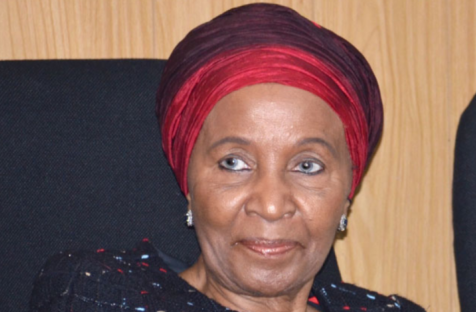
SOUTH AFRICA, Johannesburg FORMER South Africa’s First Lady Ms Zanele Mbeki has called for continuous actions by women from across Africa and the world at large in the struggle for their rights in order to fast track realisation of the iss
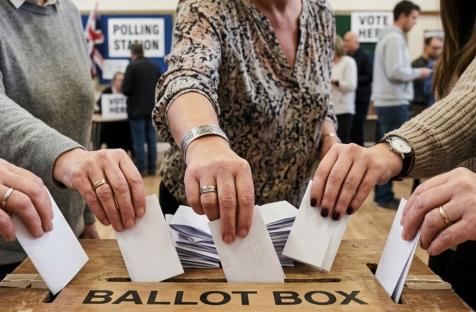
Women voters could hold a crucial key to South Africa’s political future as parties prepare for the 4 November 2026 Local Government Elections.
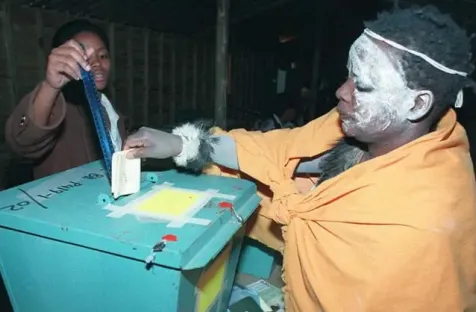
With South Africa’s 2026 Local Government Elections approaching, all talk seems to be of the growing prevalence of coalitions in the country.
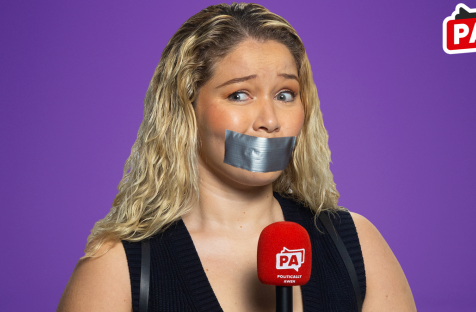
They are mocked, they are dismissed with jokes, they are humiliated online with deepfakes – they even have their very lives threatened. And still, as the poet Maya Angelou said, they rise. In this episode, Politically Aweh honours the fearless women of South African political life.
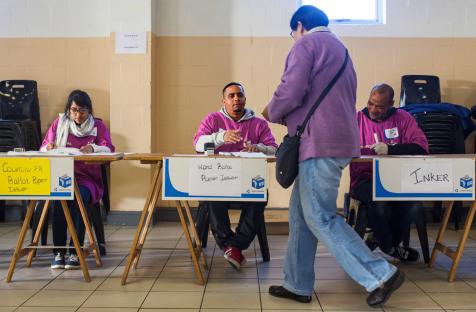
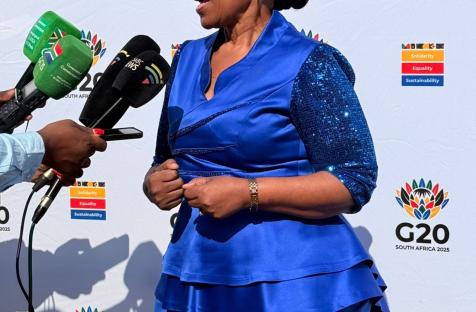
Minister in the Presidency responsible for Women, Youth and Persons with Disabilities, Sindisiwe Chikunga, is representing South Africa at the Global Leaders' Meeting on Women (GLMW 2025), being held in Beijing, China,
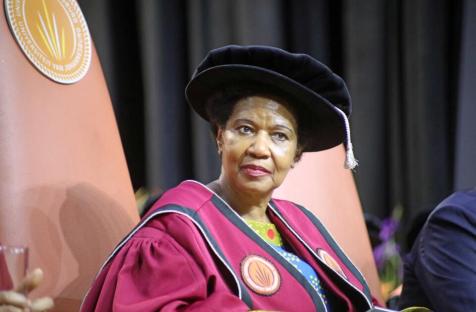
Globally, history has shown that politics is predominantly male dominated, where women were not expected to hold significant political views or opinions. This reality is also evident in Africa, where men occupy most major political positions in African countries.
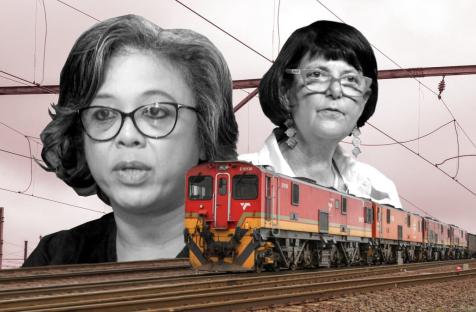
Transport Minister Barbara Creecy and Transnet CEO Michelle Phillips will be critical in changing the direction of South Africa’s economy.
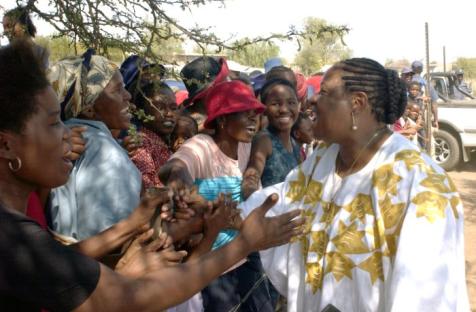
Johannesburg, 31 May: As election results from the 2024 South African elections pour in, Gender Links (GL) predicts a drop in women’s representation in the national assembly of between three and five percentage points.
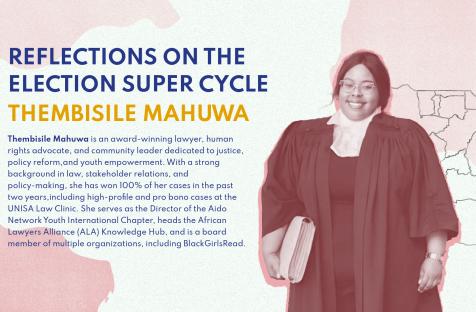
The persistent underrepresentation of women in executive political leadership remains a glaring global concern, particularly across Africa, where entrenched patriarchal structures continue to impede gender parity in governance.

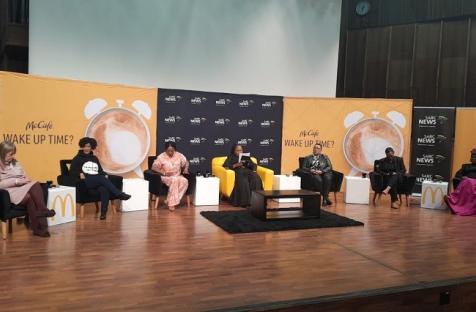
Political party representatives were put in the hot seat during IOL’s Elections Panel Discussion on Wednesday at the Radisson Blu Hotel in uMhlanga when asked why there are fewer women in politics, especially in leadership positions.
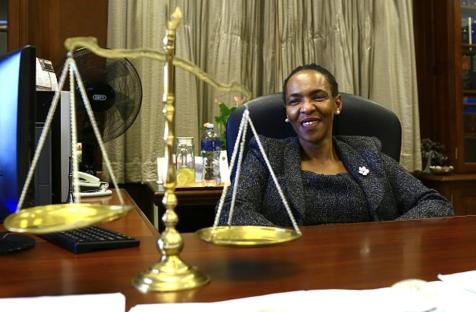
Mandisa Maya, Judge President of South Africa’s Supreme Court of Appeal, was recently recommended by the
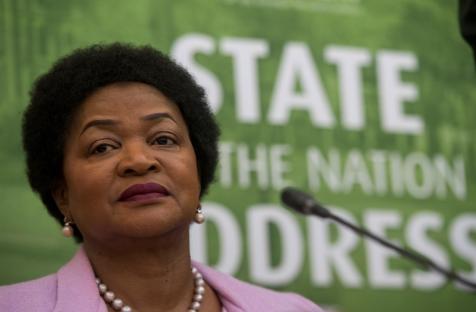
Former National Assembly speaker Baleka Mbete believes South Africa is not psychologically ready for a female president.
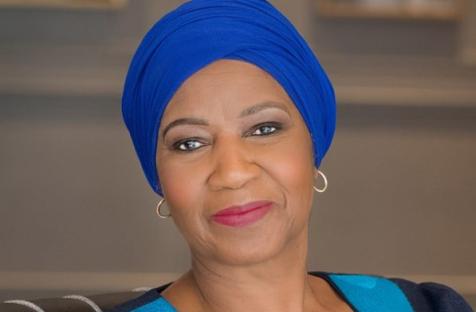
While half the ministers in Ramaphosa’s Cabinet are women, this Cabinet as a whole is still slightly skewed towards men.
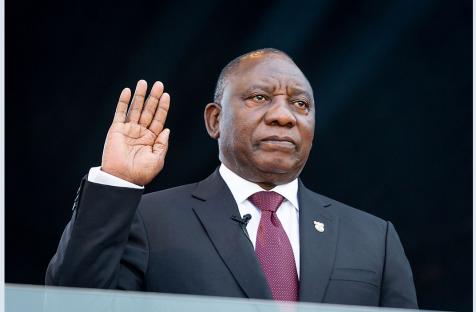
South Africa's president on Wednesday named a trimmed-down Cabinet that is 50% women, making the country's one of few in the world to be "gender-balanced."
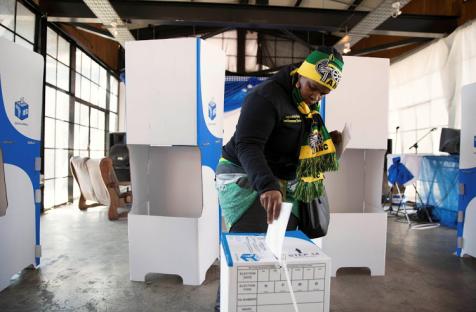
By Paul Berkowitz,
The numbers are staggering: in the last general election, nearly 2.5-million more women voted than men.
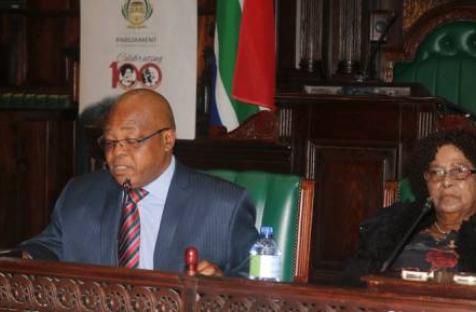
A number of organisations representing the interests of women have gathered in Parliament on Monday for a Women’s Charter Review Conference.
Members of the public are invited t
It is a South African political match made in heaven: a revered black academic, international activist and former freedom fighter – Dr Mamphela Ramphele - joins the rising, bu
“The hosting of festivals and gatherings is important, but more important is the assurance of the safety of not only women, but young girls as well,” Freedom Front Plus leader Pieter Mulder said in a speech prepared for delivery.
The adoption of a new bill, now before Cabinet, would help to fully emancipate South African women, said the Minister of Women, Children and People with Disabilities, Lulu Xingwana.
If women are not at the centre of the fight against poverty, we won't achieve what we want to, warns new head of UN Women.
Women leaders in Parliament have called on female MPs to influence decisions on the adoption of tough policy measures to curb gender-based violence.
African women make less than one percent of the senior counsel in the legal profession in South Africa, the Sunday Times reported.
South Africa's Minister of Justice and Constitutional Development, Bridget Mabandla, became the first woman in 51 years to hold the seat of President of the Asian-African Legal Consultative Organisation today.
A 21-year-old air force lieutenant has become South Africa's first black female pilot, displaying her skill when she flew an army helicopter, media reports said Thursday.
The seventh sub-regional workshop on capacity-building of the Network of African Women Ministers and Parliamentarians (NAWMP) on Advocacy, Leadership and Resource Mobilization starts in Windhoek today. Thirty-two MPs from seven SADC countries are expected to attend.
The Capricorn District Municipality (CDM) at the weekend hosted Limpopo's first provincial Women's Parliament.
SADC leaders have deferred the signing of the Protocol on Gender and Development because some member states need more time to conclude internal consultations following late changes to the document.
Law enforcement against gender-based violence is to be strengthened, following the signing of a cooperation agreement between South Africa and the United States of America.
The Joint Committee on Improvement of Quality of Life and Status of Women will discuss women advancement and the empowerment of women in politics and gender equality with their Vietnamese counterparts.
The North West provincial government is providing a forum for women to improve their skills in Information Communications Technologies (ICT), and discuss a wide range of issues in the sector.
The United Nations Security Council has urged countries to enhance female participation in decision-making and to take specific steps to protect women and girls from gender-based violence during conflicts.
Gender activists are planning to march against the ANC Women's League's nomination for Jacob Zuma as the next party president.
To read the full article, please visit IOL's Website.
South African Foreign Minister Nkosazana Dlamini-Zuma said she would not refuse a nomination to head the ruling African National Congress, which is due to choose a new leader next month.
Government should channel finances towards gender equality and women's empowerment programmes, says Public Service and Administration Minister Geraldine Fraser-Moleketi.
Senior education official Angie Motshekga is the new president of the African National Congress’ Women’s League (ANCWL). Motshekga, who hails from Soweto, was elected president yesterday at the league’s national conference having received 1826 votes.
Government is considering a law that will force companies and the state to implement 50/50 gender equity, according to the Minister in the Presidency Manto Tshabalala-Msimang.
The National Gender Machinery launched its 50/50 national campaign, which aims to increase equal representation of women in decision-making positions, on Thursday.
South Africa has soared to third place, behind Rwanda and Sweden, in global rankings on women representation in Parliament after last week's elections, a report released by Gender Links on Tuesday has revealed.
South Africa's newly elected president Jacob Zuma has appointed 14 women ministers with 12 as deputies. According to media reports in the country, Zuma made sweeping changes to the cabinet making almost half of the ministers he announced on Sunday.
Women are still strikingly underrepresented in the world’s parliaments: their share of representatives is less than a fifth. However, the situation shows signs of progress in developing countries.
Since the first democratic elections in 1994, women representation in Parliament has soared, owing partly to the ruling party's 50/50 principle at national and provincial spheres of government.
Chief electoral officer Pansy Tlakula called on Friday for a quota system to improve women's representation in the public and private sector. She said the Independent Electoral Commission was not happy with the number of women candidates in local government elections to be held on May 18.