
Botswana
| Quota Information | Parliament Information | ||
|---|---|---|---|
| Are there legislated quotas? | No | Structure of parliament | Bicameral |
| For the Single/Lower House? | No | >Current members | 63 |
| Percentage of women | 11.11% | ||
| Source: Gender Quotas Database | Source: New Parline | ||
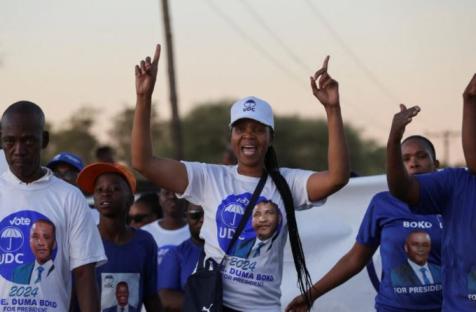
Only 28 women stood for parliament out of 258 contestants, representing 10.85 per cent. Only three women won their seats. This represents 4.92 per cent of the 61 seats. It’s a drop from 5.26 per cent in the 2019 elections.
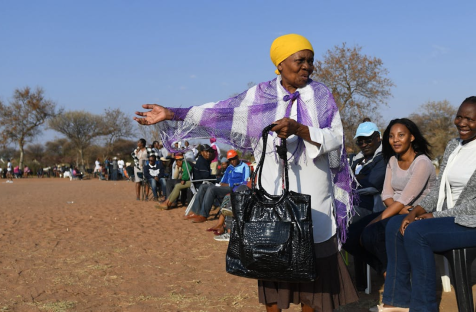
There’s a question that has consistently gripped Botswana’s politics: bomme ba kae? (where are the women?).
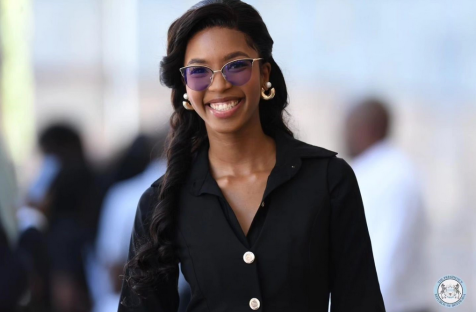
Lesego Chombo, a dynamic figure in Botswana's youth scene, lawyer and Miss World Africa 2024, is now the rising star of the country's government, having been appointed Minister of Youth and Gender Equality by Botswana's President, Duma Boko.
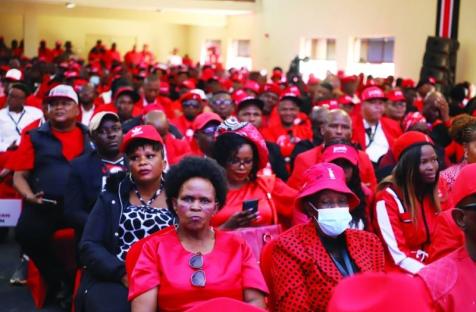
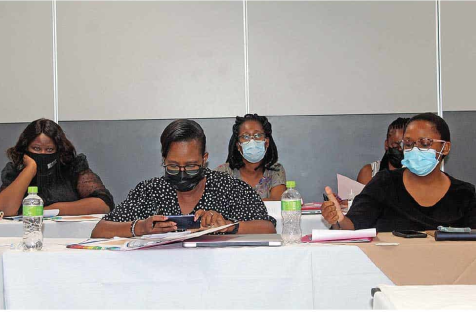
Democracy Works Foundation (DWF) in conjunction with Botswana Editors Forum Botswana recently held a two-day workshop to train journalists on how media can play a supportive role in advancing meaningful participation of women in politics.
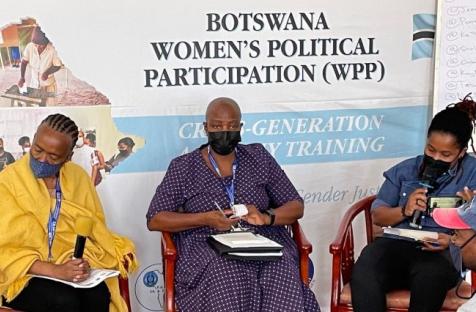
Women from across the political spectrum are calling on President Mokgweetsi Eric Masisi to appoint an equal number of women and men to the Constitutional Review Commission.
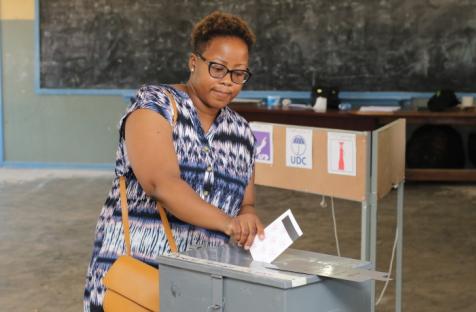
Female under-representation in politics continues to be a problem in Botswana, where only three women won seats in the 57-member National Assembly during last week’s general elections.
Poverty continues to be a major obstacle in efforts to develop women in the region. This was said by Assistant Minister of Labour and Home Affairs, Gaotlhaetse Matlhabaphiri.
A landmark study released today by Physicians for Human Rights (PHR) connects widespread discriminatory views against women in Botswana and Swaziland to sexual risk-taking and, in turn, to extremely high HIV prevalence.
There will be no special dispensation for women as political parties go to the primaries in preparation for the 2009 general elections putting into doubt the parties' commitment to women empowerment.
Women politicians who gathered for a workshop organised by the Botswana Media Women's Association (BOMWA) and the Gender and Media in Southern Africa (GEMSA) complained that women were accused of earning political office by providing sexual favours.
Contrary to expectations, the Domestic Violence Bill presented by deputy Speaker Gladys Kokorwe has received overwhelming support from male MPs.
To read the full article, please visit the All Africa's Website.
The limited number of women in political structures is a cause for concern, says the Minister of Labour and Home Affairs, Mr Peter Siele.
Chances are that more women will be dropped from decision-making positions after the on going party primaries and 2009 general elections. The women will revert to singers in party choirs, cooks during party conferences and fundraising agents.
The newly crowned Botswana Democratic Party (BDP) Women's Wing chairperson, Angelinah Sengalo, has promised to empower women politicians to identify the power they possess.
"The Botswana Caucus for Women in Politics has failed to realise the objectives it was intended for, but we will not give up on it just yet," says Margaret Nasha.