Women's Leadership

Politics is a tough subject: it can either paint you as a villain or the master of progress.Sithembile Mbete is a political analyst whose passion goes beyond reporting. She questions the status quo and is not afraid to call out those who abuse power.
How did you become a political analyst?
I studied politics, French and economics for my undergraduate degree, then did honours and masters in international relations at UCT. My first job was at IDASA, a think tank, where I monitored parliamentary committee meetings and helped analyse the 2011 local government elections. That’s where I learned the ropes of political analysis.
I also got involved in civil society campaigning against the “Secrecy Bill”, which gave me insight into political activism and grassroots organising. After that I worked in the Presidency as a researcher for the National Planning Commission Secretariat, which gave me an insider’s view of the government. It was quite an education! I decided to further my studies with a PhD at the University of Pretoria where I’ve been a senior lecturer and researcher since 2013.
Read here the full interview published by Glamour on 28 March 2025.
Image by Glamour

What you need to know:
-
When we silence women in politics through sexism, we're robbing ourselves of the leadership our nation desperately needs.
-
Their courage in the face of this hostility demands not just our admiration, but our immediate action.
Last week as the Independent Electoral and Boundaries Commission (IEBC) selection panel interviews played out on our screens, I couldn't help but notice the stark imbalance: eight men, three women shortlisted for the chairperson position.
And like clockwork, the familiar refrain emerged: "How will we ever achieve the two-thirds gender rule if women don't apply?" This question is tiring.
It's not that women lack ambition—it's that they understand the price of it all too well.
When we ask why women aren't applying, we're ignoring the storm they must walk into simply to serve their country. Kawira Mwangaza, the former Meru governor who made history in 2022 becoming the first female governor-elect in the county, didn't just face impeachment last month—she faced a systematic dismantling that sends a chilling message to every woman watching: "This space is not for you." While men in power insist "it wasn't about gender," political aspirants are already admitting they'd now think twice before supporting women candidates.
This calculated exclusion isn't happening in a vacuum. It's a global phenomenon. When Kamala Harris ran for the American presidency last year, we witnessed the predictable playbook: attacks on her appearance and questioning of her qualifications despite her extensive experience. An analysis found over 11,000 news articles with biased language about her in just two weeks. This isn't criticism—it's a coordinated effort to undermine women's legitimacy in leadership.
Read here the full article published by The Nation on 4 April 2025.
Image by The Nation

The Women and Foreign Policy program’s most recent update of the “Women’s Power Index” ranks 193 United Nations (UN) member states on their progress toward gender parity in political participation. It analyzes the proportion of women who serve as heads of state or government, in cabinets, in national legislatures, as candidates for national legislatures, and in local government bodies, and visualizes the gender gap in political representation.
Over the past year global progress toward gender parity in political representation has remained flat at 29 on the 100-point aggregate scale employed in which a 100-point score represents gender parity. The number of countries that are halfway or more to parity has remained the same. Twenty-eight countries exceeded fifty in their gender parity score, including Canada, Dominica, Moldova, and the United Kingdom in the past year. Mozambique, Peru, Rwanda, and Senegal fell below that halfway to parity mark in the past year. The U.S. gender parity score is slightly above the global average at 35. Iceland has maintained its position in first place, with a score of 86, Mexico and Andorra occupy second and third place, with scores of 75 and 73, respectively.
Progress in women’s political leadership at the national level has been stalling recently. Since the end of World War II, 82 of the 193 countries have elected a female head of state or government, with the most progress coming in the past two decades. Eleven countries elected their first woman into high office during the 2000s, twenty-five in the 2010s, and seventeen thus far in the 2020s. Most recently, Namibia elected its first woman president, Netumbo Nandi-Ndaitwah, in 2025, and Mexico elected its first woman president, Claudia Sheinbaum, in 2024.
Read here the full article published by the Council on Foreign Relations on 2 April 2025.
Image by the Council on Foreign Relations

Women Now Hold Top Three Positions in Government
Namibia has made history by becoming the first African country to have its top government positions held by women. Netumbo Nandi-Ndaitwah was recently sworn in as Namibia’s president after winning 58 percent of the vote. With her election, she becomes Namibia’s first female head of state but as well as Africa’s second-ever directly elected female president. Nandi-Ndaitwah promptly expanded the number of roles held by women upon taking office, appointing Lucia Witbooi as vice president and Saara Kuugongelwa–Amadhila as speaker of the National Assembly. This is also the first time these roles have been held by women. Nandi-Ndaitwah also made history with her cabinet appointments. For the first time, women hold the majority of positions. Sixty percent of Namibia’s fourteen ministers are now women and hold offices in finance, foreign affairs, health, education, and gender equality. The new president said her election should encourage other women because “I was not elected because I’m a woman, but on merit. Women are capable members of society.” Her priorities in this new administration are to diversify Namibia’s economy and reduce the country’s debt.
Read here the full article published by the Council on Foreign Relations on 31 March 2025.
Image by Council on Foreign Relations

In honor of Women’s History Month, the National League of Cities (NLC) reached out to members of the Women in Municipal Government (WIMG) Constituency Group to share their personal reflections on the impact and importance of women serving in local government. These women leaders, who serve as mayors, council members and other local government officials, spoke candidly about the importance of recognizing women’s contributions to society and advancing gender equity in municipal governance.
How Do You Think Women’s Voices Have Changed the Landscape of Policy and Governance?
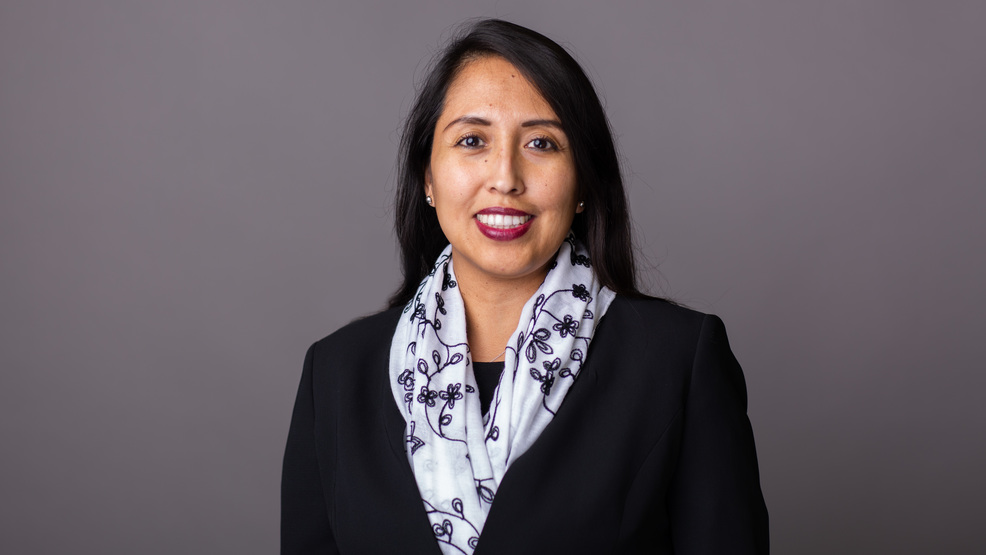
“Making up half of the world’s population, women should feel confident to become elected leaders who practice compassion, lead with integrity and build on the legacy of those who pave the way for a more equal and just society. Together we can work to eliminate discriminatory barriers and empower younger generations to feel like they can and should run for local office.”
Councilwoman Dr. Adriana Rocha Garcia, San Antonio, TX – District 4, WIMG President
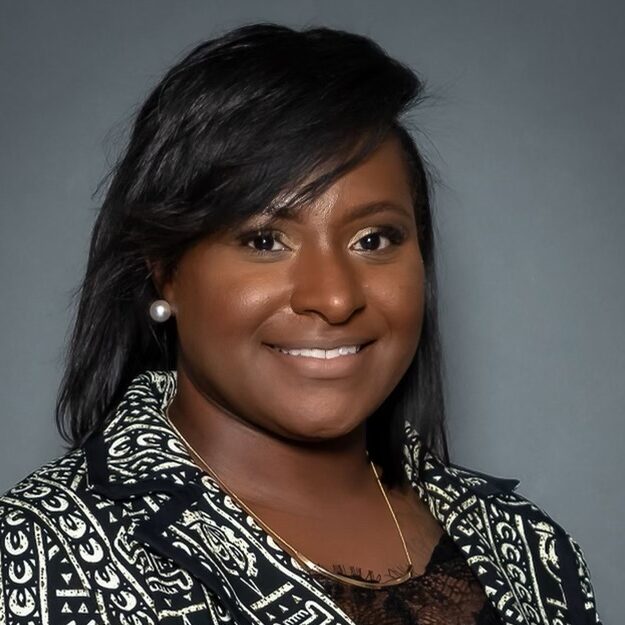
“Women’s voices have reshaped policy and governance by bringing resilience, wisdom and a commitment to progress—even in the face of adversity. Our presence in government expands perspectives, drives meaningful change and sets new standards for leadership, proving that dignity and determination will always outlast the storms we face.”
Council President, D.M. Collins, Center Point, AL, WIMG Board Member
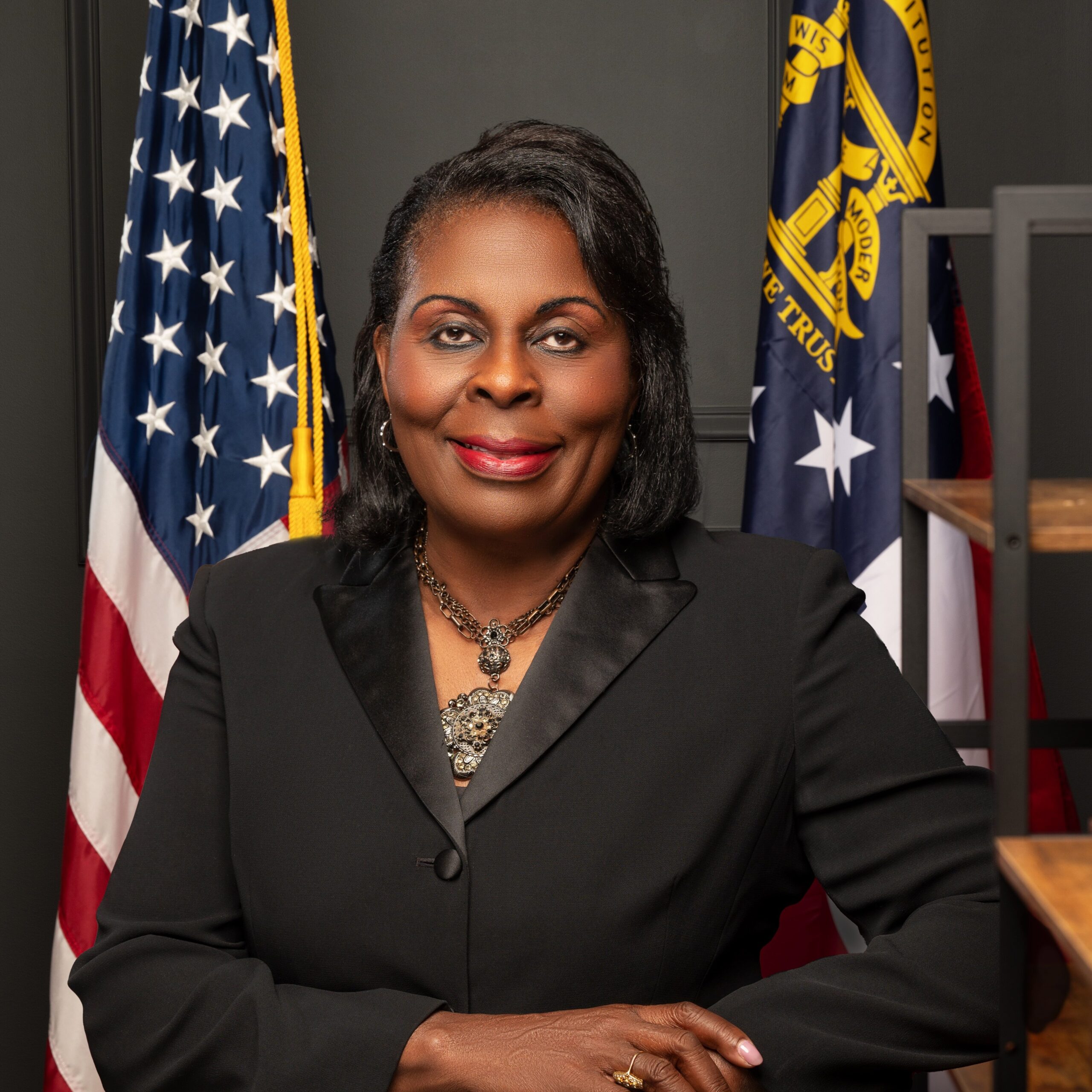
“Women’s representation at the leadership table is critical to ensure inclusion when discussing community issues. Through lived experiences, women often lead discussions to the establishment of more comprehensive policies that address the needs of ALL citizens.”
Alderman Carol Bell, Savannah, GA, WIMG Board Member
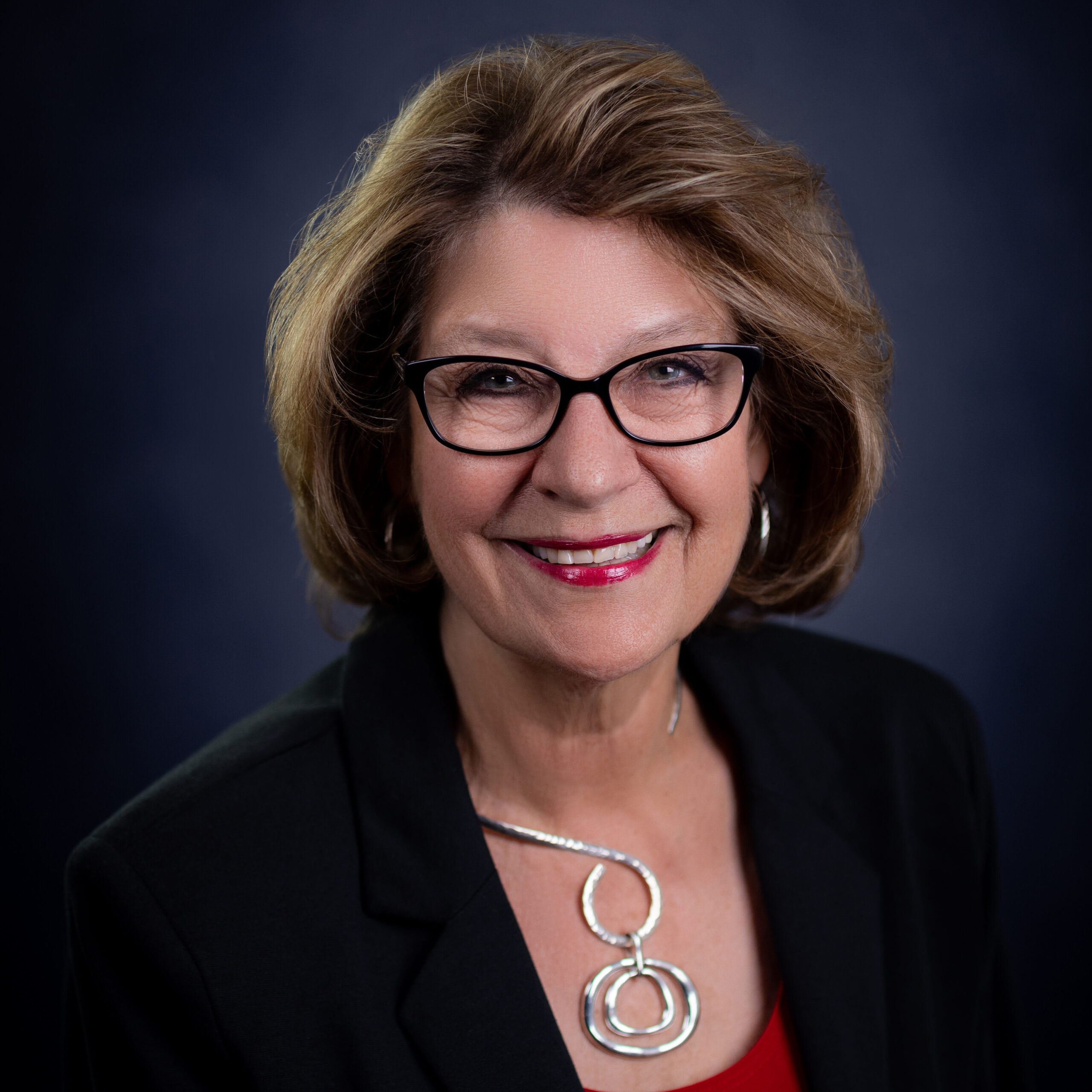
“Women promote cooperation, consensus-building, and focus on common goals through participatory leadership. They advocate for social issues that are often overlooked such as education, domestic violence prevention and child welfare.”
Councilmember Jan Arbuckle, Grass Valley, CA, WIMG Past President
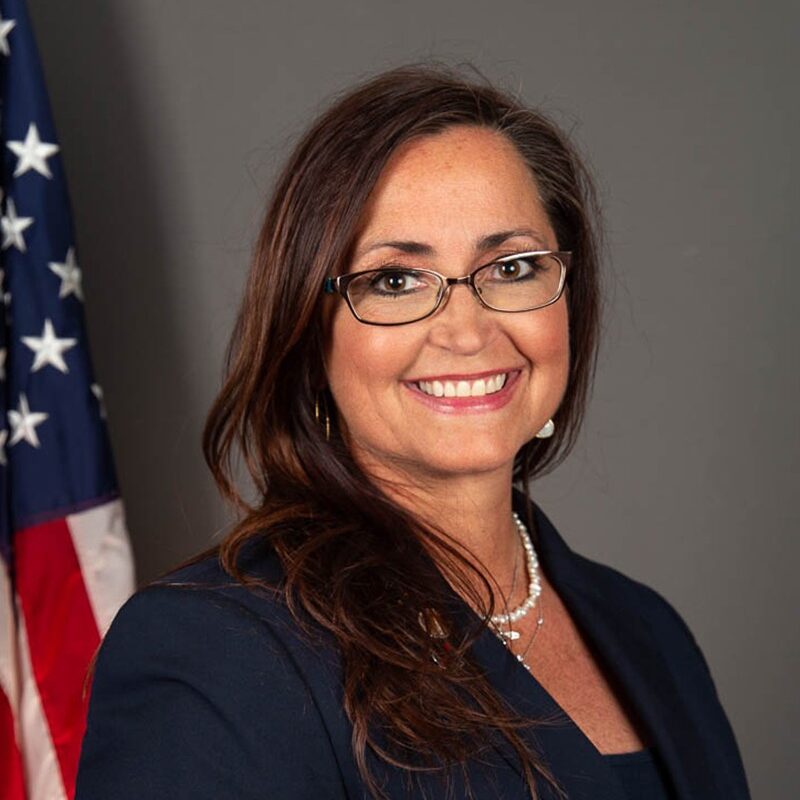
“The increasing involvement of women in policy and governance not only enriches governance processes but also leads to more equitable and just outcomes for all members of society. Women bring diverse perspectives, tend to focus on social issues, have collaborative and consensus-building leadership styles, are role models that inspire future generations and encourage more women to engage in politics and governance.”
Mayor Debra Wimpee, Broken Arrow, OK, WIMG Board Member
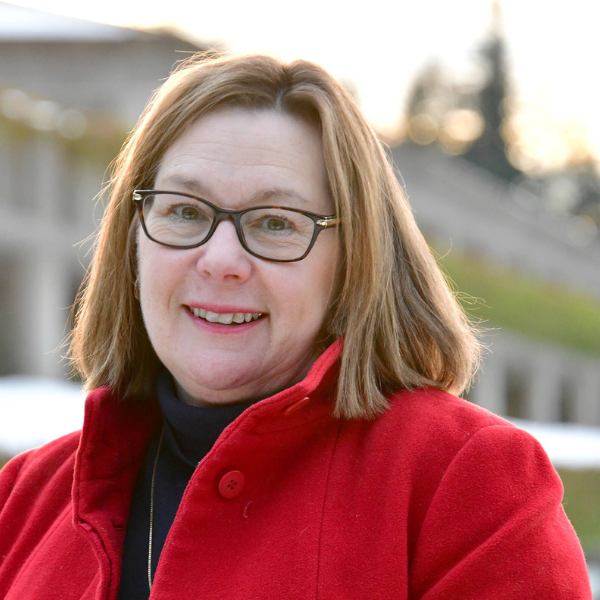
“As more women are elected to serve in government positions, we will have more influence over public decisions. Working together, women have been able to make decisions that impact health, employment, housing and more by taking time to ask questions and study the issues.”
Councilmember Susan Honda, Federal Way, WA, WIMG Board Member
Read here the full article published by the National League of Cities on 27 March 2025.
Image by National League of Cities

A movement that began as a protest against enforced disappearances and extrajudicial killings in Balochistan is now evolving into a strong political and social force for change. The women at the forefront of the Baloch Yakjehti Committee have amassed a large following of Baloch men and women, but who are they and how did they become so influential in a largely patriarchal and tribal society?
On January 27, 2024 in Quetta, the leader of the Baloch Yakjehti Committee (BYC), Dr Mahrang Baloch, addressed a crowd of thousands, which comprised men and women, many of them young students. Having recently returned from a month-long sit-in outside Islamabad’s National Press Club, held to protest enforced disappearances and extrajudicial killings in Balochistan, Mahrang said that this movement was the “voice of Baloch people, from Nokundi to Parom and Koh-i-Suleman to Makran.”
The recent terrorist attacks in Balochistan by the outlawed Baloch Liberation Army, which resulted in the tragic loss of the lives of almost 40 people, tend to take the media spotlight because of the sheer violence involved, but they also do a disservice to the efforts of movements such as the BYC, which have attempted to highlight the alienation of Balochistan’s educated youth in a peaceful and constitutional manner.
Read the full article here.
Gender-based violence (GBV) increases during every type of emergency – whether economic crises, conflict or disease outbreaks. Pre-existing toxic social norms and gender inequalities, economic and social stress caused by the COVID-19 pandemic, coupled with restricted movement and social isolation measures, have led to an exponential increase in GBV. Many women are in ‘lockdown’ at home with their abusers while being cut off from normal support services.
This briefing note provides concrete actions and strategies that UNDP, UN agencies and other development partners can take to prevent and address GBV in the context of COVID-19. It includes recommendations for adapting dedicated GBV services and support to the crisis context, and for mainstreaming GBV prevention and response in 'non-GBV specific' interventions.
Click here to see the report.
Conventional wisdom holds that women politicians confront a parenting dilemma. Those with children are questioned about their ability to balance parental roles with political responsibilities, but child-free women are regarded as unable to relate to “ordinary” families or perform well in “feminine” policy areas. As both women and men are now balancing parenthood with politics, the time is ripe to re-investigate how cultural ideas about family life shape understandings of political leadership. By systematically comparing newspaper coverage of 22 Canadian and Australian government leaders with diverse families, our study investigates the ways in which discourses of family shape representations of high-profile politicians. It provides valuable insights into the ways in which politicians’ levels of conformity to the idealized western family model shape perceptions of political legitimacy and authenticity for women and men, and parents and non-parents. We find that when the families of newly elected leaders are discussed in newspaper coverage, the message conveyed is that only the “right” kind of family will facilitate political success.
Click here to see the Academic Article.
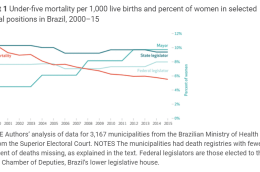
We assessed the effects of female political representation on mortality among children younger than age five in Brazil and the extent to which this effect operates through coverage with conditional cash transfers and primary care services. We combined data on under-five mortality rates with data on women elected as mayors or representatives in state and federal legislatures for 3,167 municipalities during 2000–15. Results from fixed-effects regression models suggest that the election of a female mayor and increases in the shares of women elected to state legislatures and to the federal Chamber of Deputies to 20 percent or more were significantly associated with declines in under-five mortality. Increasing the political representation of women was likely associated with beneficial effects on child mortality through pathways that expanded access to primary health care and conditional cash transfer programs.
Click here to read the full article published by Health Affairs on 6 November 2020.
The Center for American Women and Politics (CAWP), a unit of the Eagleton Institute of Politics at Rutgers University, is proud to announce the launch of the online CAWP Women Elected Officials Database, a first-of-its-kind tool for exploring and analyzing women’s current and historical representation in the U.S. political system. The CAWP Women Elected Officials Database includes every woman officeholder in U.S. history at the federal, statewide elected executive, and state legislative levels. This tool expands on the officeholder database that CAWP has long kept and shared with researchers, and, crucially, transforms it into a searchable, online format for public access.
For further information, please click here.
Disappointed by the numerous failures of anticorruption reforms, international organisations, scholars and policy makers increasingly place their hopes on measures aimed at enhancing gender equality and in particular increasing the inclusion of female representatives in elected assemblies. Yet most studies to date focus on aggregate measures of corruption and fail to explain why the correlation between women's representation and levels of corruption occurs. Using newly collected regional‐level, non‐perception‐based measures of corruption, this study distinguishes between different forms of corruption and shows that the inclusion of women in local councils is strongly negatively associated with the prevalence of both petty and grand forms of corruption. However, the reduction in corruption is primarily experienced among women. This suggests that female representatives seek to further two separate political agendas once they attain public office: the improvement of public service delivery in sectors that tend to primarily benefit women; and the breakup of male‐dominated collusive networks.
Click here to see the academic article.
The COVID-19 pandemic has created a global emergency of multiple dimensions. Most national governments have adopted extraordinary measures to protect their citizens and overcome the pandemic. Prior to the COVID-19 global crisis, 2020 was expected to be a year for reviewing achievements and accelerating progress on gender equality after 25 years of the adoption of the Beijing Declaration and Platform for Action and 20 years since UN Security Council resolution 1325 on women, peace and security. There is now major concern that COVID-19 and its impact will push back fragile progress on gender equality, including in relation to reversing discriminatory laws, the enactment of new laws, the implementation of existing legislation, and broader progress needed to achieving justice for all.
This rapid assessment examines how the impacts of COVID-19 are threatening women’s ability to access justice. The assessment reflects challenges faced by women and girls of diverse backgrounds and socio-economic groups, including those experiencing overlapping disadvantages—for example, women on the front lines—and those facing amplified challenges in humanitarian settings. Cross-regional and local experiences are highlighted, and quantitative data is utilized where available. Past epidemics are informative—and sobering—in terms of risks for women and offer lessons about how to prevent and mitigate these risks.
Click here to see the report.