Women's Leadership

Women Now Hold Top Three Positions in Government
Namibia has made history by becoming the first African country to have its top government positions held by women. Netumbo Nandi-Ndaitwah was recently sworn in as Namibia’s president after winning 58 percent of the vote. With her election, she becomes Namibia’s first female head of state but as well as Africa’s second-ever directly elected female president. Nandi-Ndaitwah promptly expanded the number of roles held by women upon taking office, appointing Lucia Witbooi as vice president and Saara Kuugongelwa–Amadhila as speaker of the National Assembly. This is also the first time these roles have been held by women. Nandi-Ndaitwah also made history with her cabinet appointments. For the first time, women hold the majority of positions. Sixty percent of Namibia’s fourteen ministers are now women and hold offices in finance, foreign affairs, health, education, and gender equality. The new president said her election should encourage other women because “I was not elected because I’m a woman, but on merit. Women are capable members of society.” Her priorities in this new administration are to diversify Namibia’s economy and reduce the country’s debt.
Read here the full article published by the Council on Foreign Relations on 31 March 2025.
Image by Council on Foreign Relations

In honor of Women’s History Month, the National League of Cities (NLC) reached out to members of the Women in Municipal Government (WIMG) Constituency Group to share their personal reflections on the impact and importance of women serving in local government. These women leaders, who serve as mayors, council members and other local government officials, spoke candidly about the importance of recognizing women’s contributions to society and advancing gender equity in municipal governance.
How Do You Think Women’s Voices Have Changed the Landscape of Policy and Governance?
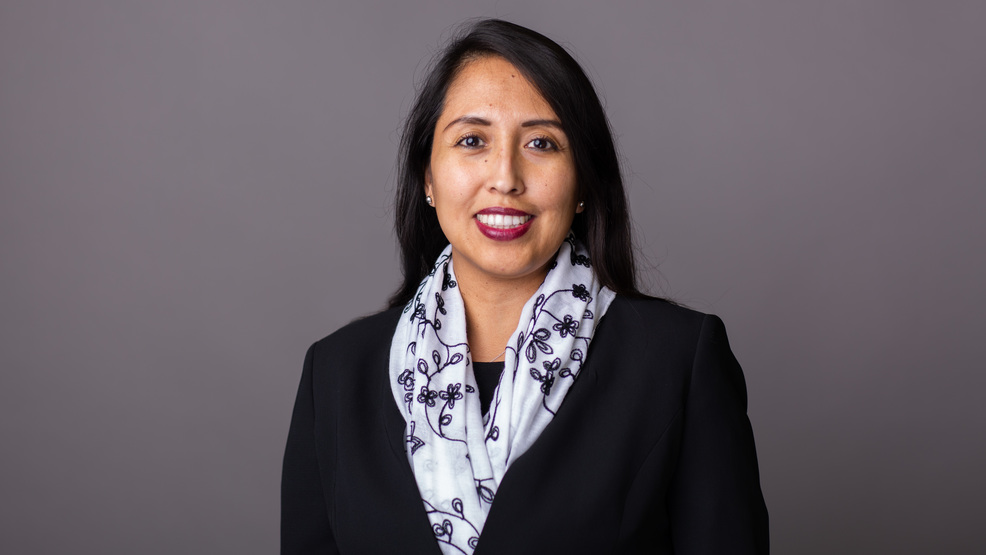
“Making up half of the world’s population, women should feel confident to become elected leaders who practice compassion, lead with integrity and build on the legacy of those who pave the way for a more equal and just society. Together we can work to eliminate discriminatory barriers and empower younger generations to feel like they can and should run for local office.”
Councilwoman Dr. Adriana Rocha Garcia, San Antonio, TX – District 4, WIMG President
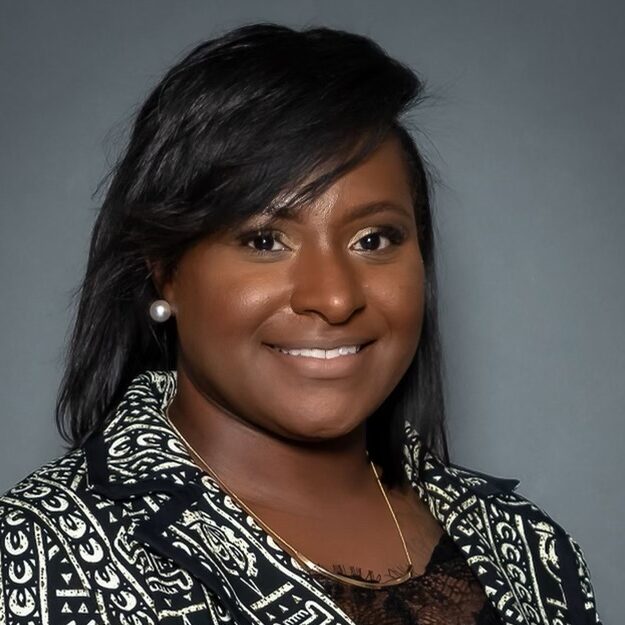
“Women’s voices have reshaped policy and governance by bringing resilience, wisdom and a commitment to progress—even in the face of adversity. Our presence in government expands perspectives, drives meaningful change and sets new standards for leadership, proving that dignity and determination will always outlast the storms we face.”
Council President, D.M. Collins, Center Point, AL, WIMG Board Member
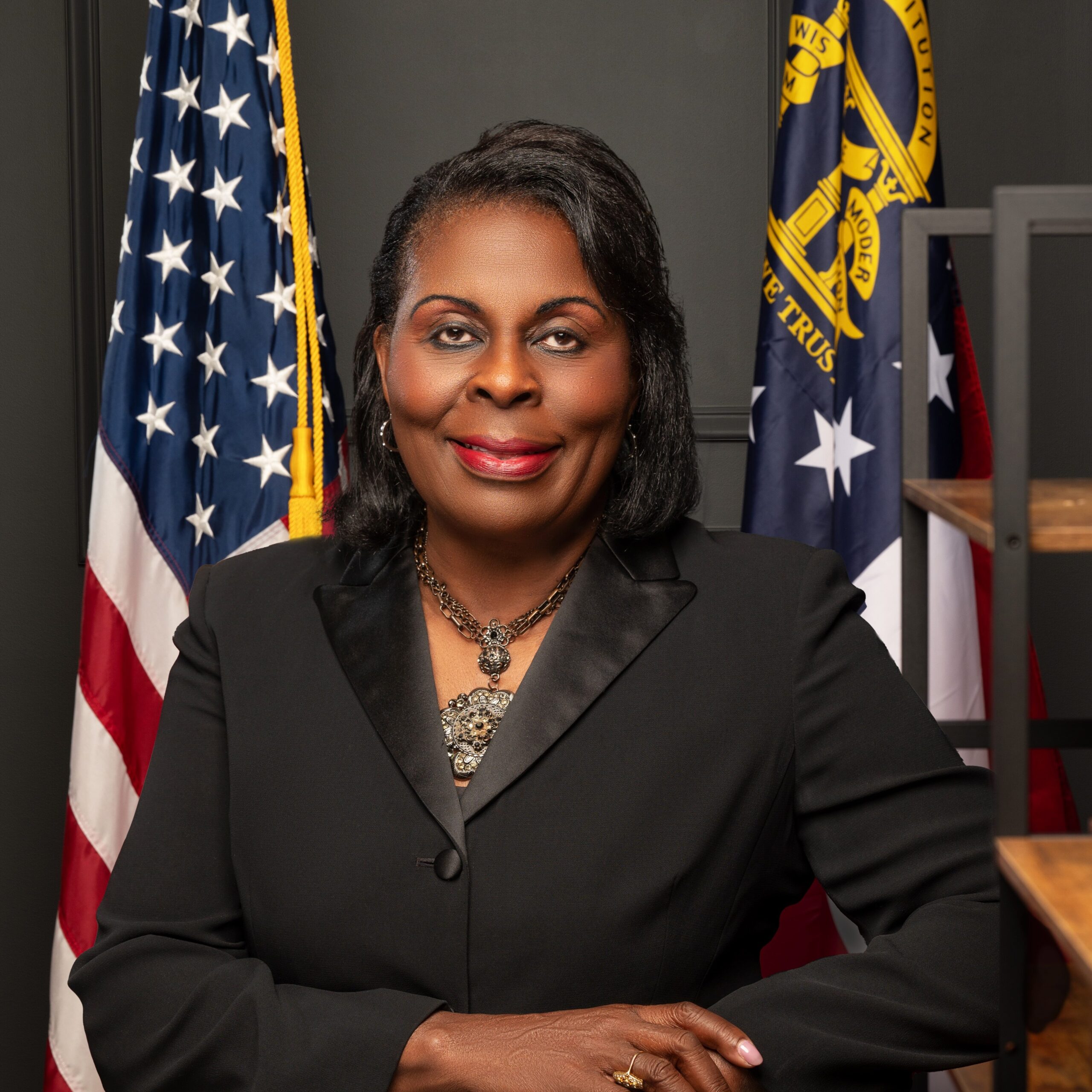
“Women’s representation at the leadership table is critical to ensure inclusion when discussing community issues. Through lived experiences, women often lead discussions to the establishment of more comprehensive policies that address the needs of ALL citizens.”
Alderman Carol Bell, Savannah, GA, WIMG Board Member
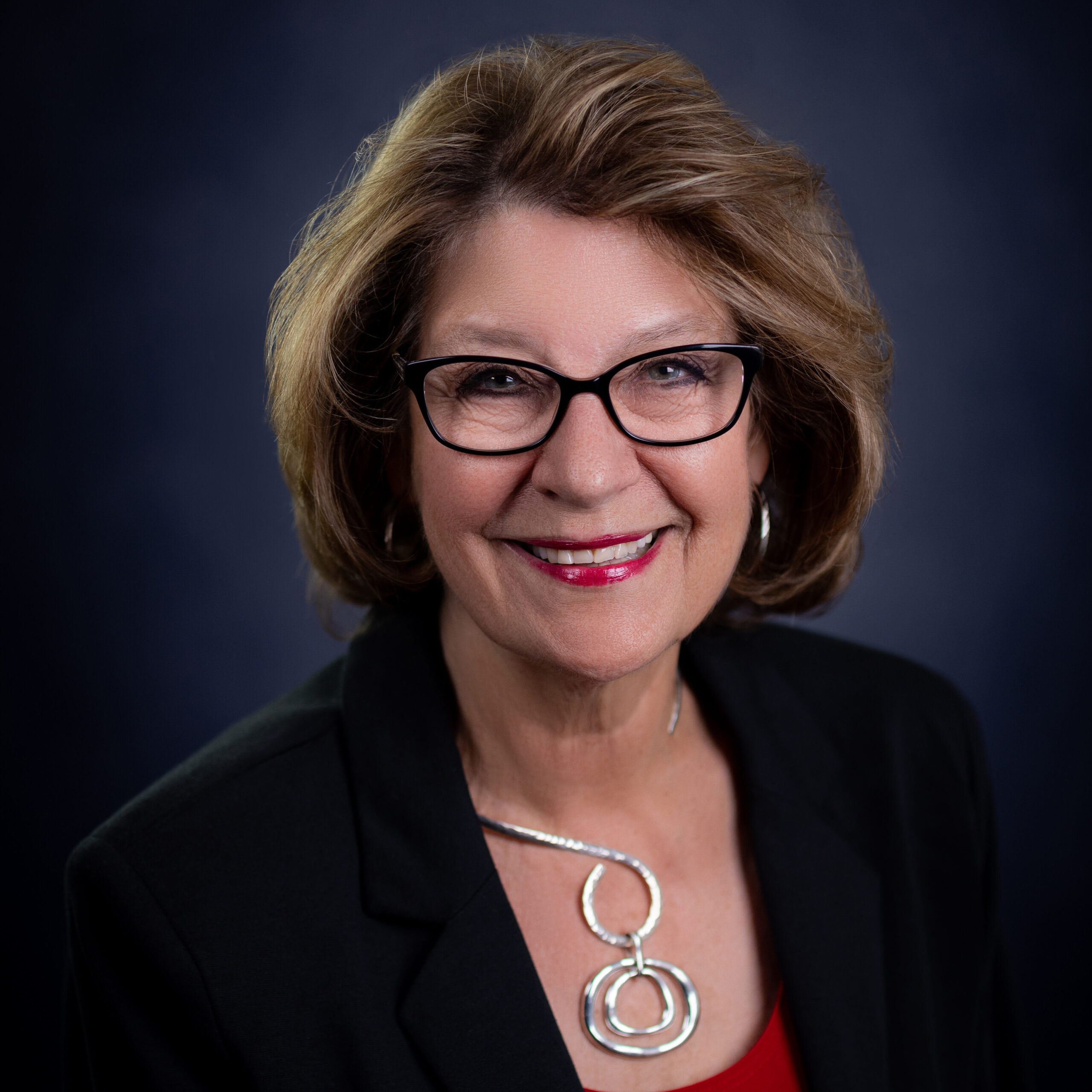
“Women promote cooperation, consensus-building, and focus on common goals through participatory leadership. They advocate for social issues that are often overlooked such as education, domestic violence prevention and child welfare.”
Councilmember Jan Arbuckle, Grass Valley, CA, WIMG Past President
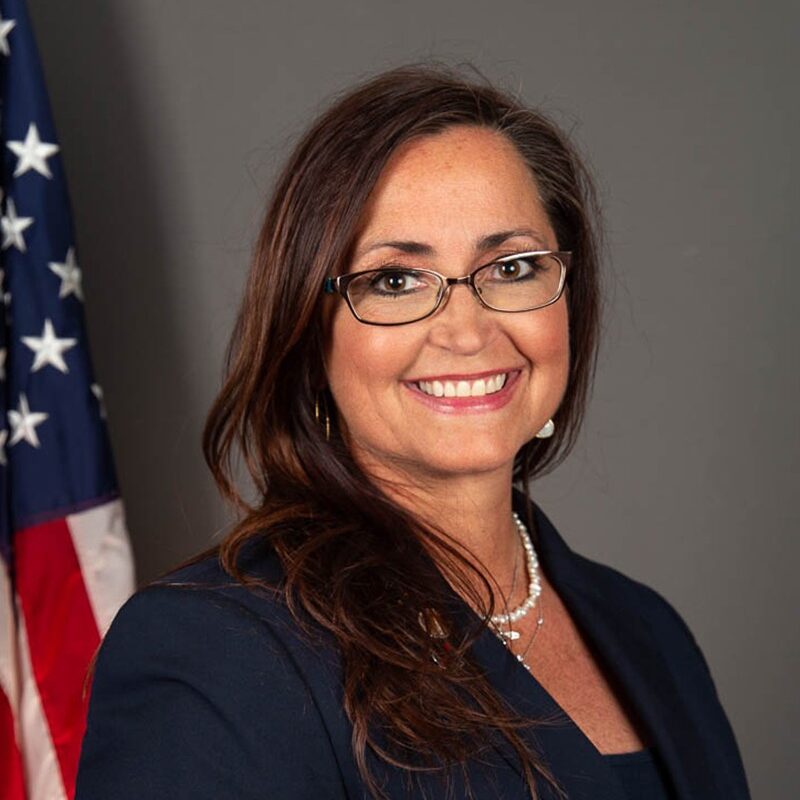
“The increasing involvement of women in policy and governance not only enriches governance processes but also leads to more equitable and just outcomes for all members of society. Women bring diverse perspectives, tend to focus on social issues, have collaborative and consensus-building leadership styles, are role models that inspire future generations and encourage more women to engage in politics and governance.”
Mayor Debra Wimpee, Broken Arrow, OK, WIMG Board Member
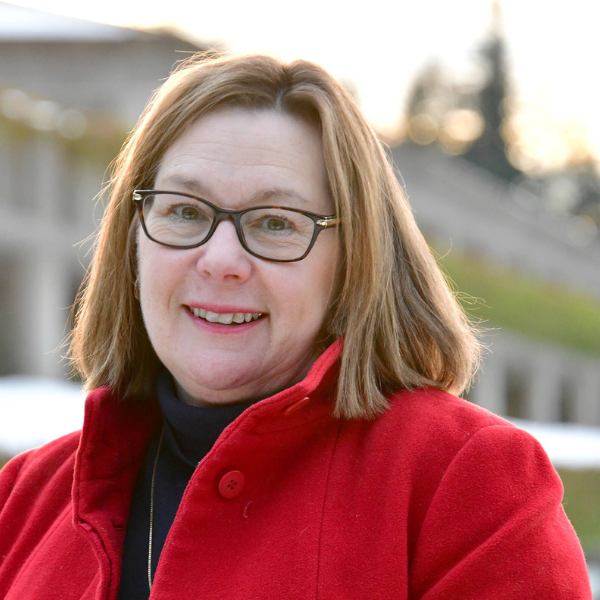
“As more women are elected to serve in government positions, we will have more influence over public decisions. Working together, women have been able to make decisions that impact health, employment, housing and more by taking time to ask questions and study the issues.”
Councilmember Susan Honda, Federal Way, WA, WIMG Board Member
Read here the full article published by the National League of Cities on 27 March 2025.
Image by National League of Cities

A movement that began as a protest against enforced disappearances and extrajudicial killings in Balochistan is now evolving into a strong political and social force for change. The women at the forefront of the Baloch Yakjehti Committee have amassed a large following of Baloch men and women, but who are they and how did they become so influential in a largely patriarchal and tribal society?
On January 27, 2024 in Quetta, the leader of the Baloch Yakjehti Committee (BYC), Dr Mahrang Baloch, addressed a crowd of thousands, which comprised men and women, many of them young students. Having recently returned from a month-long sit-in outside Islamabad’s National Press Club, held to protest enforced disappearances and extrajudicial killings in Balochistan, Mahrang said that this movement was the “voice of Baloch people, from Nokundi to Parom and Koh-i-Suleman to Makran.”
The recent terrorist attacks in Balochistan by the outlawed Baloch Liberation Army, which resulted in the tragic loss of the lives of almost 40 people, tend to take the media spotlight because of the sheer violence involved, but they also do a disservice to the efforts of movements such as the BYC, which have attempted to highlight the alienation of Balochistan’s educated youth in a peaceful and constitutional manner.
Read the full article here.

Last Saturday, March 8th, marked International Women’s Day, when the international community celebrates the social, economic, cultural, and political accomplishments of women. In post-communist societies, where this day is often a public holiday, there is still a lot left to do to ensure better representation of women in political institutions—but the contribution of women to democracy-building efforts is undeniable.
Meet four exceptional female leaders who are shaping Eastern European politics today and learn more about women of the region fighting against war and autocracy.
Read here the full article published by the Wilson Center on 10 March 2025.
Image by Wilson Center

As the world celebrates the International Women’s Day, the women in Azerbaijan continue to drive progress and developments in politics, business, science, education, and entrepreneurship.
Azerbaijani women have long been pioneers in securing their rights and advancing in various spheres of society. They were the first in the Islamic world to gain the right to vote, achieving suffrage in 1918 – a milestone that placed them ahead of many of their European and American counterparts at the time.
While the US and some Western European countries were still contemplating women’s participation in elections, the Azerbaijan Democratic Republic leadership granted unrestricted suffrage to women in 1918.
Azerbaijan, thus, became one of the first countries in the world – and the first Muslim majority nation – to grant women political rights equal to men.
It was two years later, in 1920, when the US granted women the right to vote. The Benelux countries afforded the same rights in 1919, while France and Italy followed in 1945.
This progressive step laid the foundation for the continuous empowerment of women in Azerbaijan, which today stands as the wealthiest nation in the South Caucasus. Currently, Azerbaijan has a workforce of over five million people, with women making up almost half of this economically active population.
The entrepreneurial landscape in Azerbaijan has seen increasing strides by women, who contributed to transformation by actively engaging in business ventures.
Read here the full article published by Caspian News on 8 March 2025.
Image by Caspian News

The webinar focused on the challenges and opportunities for women politicians in the digital space. Speakers discussed key issues such as online harassment, technology-facilitated gender-based violence, and misinformation/disinformation, all of which hinder women's participation in politics. The discussion also emphasized the importance of digital literacy, legal safeguards, and creating safer online environments for women in politics. Additionally, speakers highlighted the need to engage men in these discussions and support women at the grassroots level.
The invited speakers were:
-
Chikas Kumle (Nigerian politician, Women Political Activist)
-
Gloria Anderson (Founder & Executive Director at TEDI, Tanzania)
-
Juliane Muller (Associate Programme Officer, Digitalization and Democracy, International IDEA)
Key Takeaways and Next Steps
Several action points were identified for different stakeholders.
-
Electoral commissions should raise awareness among their staff about the challenges women face in digital political spaces, collaborate with civil society organizations and political parties to better understand and address these challenges, and advocate for and participate in policy reforms to protect women online.
-
Political parties need to develop actionable policies and legal frameworks to support and protect female candidates. They should also publicly condemn online abuse against women and take disciplinary action against perpetrators within their parties.
-
Women’s rights organizations play a crucial role in advocating for stronger support for women in politics by political parties and electoral bodies. They should also push for digital literacy programs that incorporate a gender perspective.
-
Digital platforms must implement and enforce gender-sensitive community guidelines to protect women in political spaces.
-
iKNOW Politics in collaboration with civil society organizations should continue organizing webinars and discussions on women’s political participation in the digital age while actively engaging in the development of online safety guidelines and policies for women politicians.
The COVID-19 pandemic has created a global emergency of multiple dimensions. Most national governments have adopted extraordinary measures to protect their citizens and overcome the pandemic. Prior to the COVID-19 global crisis, 2020 was expected to be a year for reviewing achievements and accelerating progress on gender equality after 25 years of the adoption of the Beijing Declaration and Platform for Action and 20 years since UN Security Council resolution 1325 on women, peace and security. There is now major concern that COVID-19 and its impact will push back fragile progress on gender equality, including in relation to reversing discriminatory laws, the enactment of new laws, the implementation of existing legislation, and broader progress needed to achieving justice for all.
This rapid assessment examines how the impacts of COVID-19 are threatening women’s ability to access justice. The assessment reflects challenges faced by women and girls of diverse backgrounds and socio-economic groups, including those experiencing overlapping disadvantages—for example, women on the front lines—and those facing amplified challenges in humanitarian settings. Cross-regional and local experiences are highlighted, and quantitative data is utilized where available. Past epidemics are informative—and sobering—in terms of risks for women and offer lessons about how to prevent and mitigate these risks.
Click here to see the report.

This brief summarizes challenges and recommendations of the impact of the recent pandemic of COVID-19 in Tunisia on gender-based violence, access to justice, women and health, and women’s leadership and political participation. It makes recommendations to be considered by all sectors of society in order to prevent and respond to violence against women and girls, to facilitate access to justice and social care. It also includes data and trends regarding the impact of the pandemic of the COVID-19 on women and girls in Tunisia.
Click here to see the report (in French).
Background Pandemics and outbreaks have differential impacts on women and men. From risk of exposure and biological susceptibility to infection to the social and economic implications, individuals’ experiences are likely to vary according to their biological and gender characteristics and their interaction with other social determinants. Because of this, global and national strategic plans for COVID-19 preparedness and response must be grounded in strong gender analysis and must ensure meaningful participation of affected groups, including women and girls, in decision-making and implementation. 1 WHO calls on its Member States and all global actors to guide investments in quality and gender-sensitive research on the adverse health, social and economic impacts of COVID-19. Countries are advised to incorporate a focus on gender into their COVID-19 responses in order to ensure that public health policies and measures to curb the epidemic take account of gender and how it interacts with other areas of inequality.
Click here to see the advocacy brief.
As the impact of COVID-19 intensifies globally, we have curated a selection of resources and information on gender-sensitive responses and women’s leadership in times of pandemic. You will find a list of relevant resolutions, useful tools, virtual meetings, and calls and stories from the frontlines of the institutional and policy responses to the pandemic and its effects.
This page will be regularly updated with new resources from our partners and other institutions providing gender-sensitive support and guidance.
Resolutions
- The European Parliament adopted a resolution addressing EU coordination on the COVID-19 pandemic response calling the European Commission and Member States to prioritize aid and crisis-mitigation measures for the most vulnerable citizens, women in particular. Click here to see it.
- The Latin American Parliament (Parlatino) adopted a resolution calling for gender mainstreaming in response to the COVID-19 pandemic and ensuring participation of women in decision-making at all levels. Click here to see it.
Useful tools
- We recently hosted an e-Discussion on women's leadership in the COVID-19 response in Arabic, English, French, and Spanish to raise awareness on the importance of including women's voices and of gender-sensitive responses to the crisis and to collect good practices and recommendations from members of our network. Click here to see the e-Discussion in English and here to read the summary.
- The UN Secretary-General issued a policy brief that explores how women and girls’ lives are changing in the face of COVID-19, and outlines suggested priority measures to accompany both the immediate response and longer-term recovery efforts. Click here to see it.
- UN Women is working with partners to bridge the gender data gap and deliver a more accurate picture of the gender dimension to the COVID-19 response so that it can be more effective for women and girls. Click here to see the data.
- This UN Women issue brief highlights the impact of the current global pandemic on violence against women and girls and makes recommendations to prevent and respond to this phenomenon, at the onset, during, and after the public health crisis. Click here to see it.
- The Inter-parliamentary Union published a guidance note for parliaments that includes recommendations on women’s participation and leadership in parliamentary decision-making on COVID-19, gender-responsive COVID-19 legislation, and government action oversight on the pandemic from a gender perspective. Click here to see it.
- The UN Women office for the Americas and the Caribbean developed an informative brief with recommendations on how to incorporate women and gender equality in the crisis management response. Click here to see it.
- The UN Committee on the Elimination of Discrimination against Women (CEDAW Committee) has issued a detailed guidance note on a range of measures that governments should take to uphold women’s rights as they respond to the COVID-19 pandemic. Click here to download it.
Virtual meetings
- Talk on “Gender and Covid-19”: Why do more men die from the virus than women? And why isn’t this fact impacting research into a vaccine in the U.S.? Hosted by Francesca Donner, gender director at The Times and editor of the Times newsletter In Her Words, this talk provides answers to these pressing questions with Caroline Criado Perez, author of the award-winning book "Invisible Women” and Alisha Haridasani Gupta, gender reporter for In Her Words. Listen to the conversation here.
- Talk on “Leadership in a Time of Crisis”: What does good leadership in crisis look like? In this time of unprecedented challenge related to COVID-19, what can we learn from the great leaders of the past? In this webinar conversation, experts explored these and other key questions about leading in a time of crisis. Click here to access the recording.
- Talk on “Why We Need to Make Women Visible”: Fawcett Society hosted on 7 April an online conversation with prominent gender equality advocates and leaders about how Coronavirus is affecting women and girls in the UK and why we need to make their experiences more visible. Click here to watch it.
- Upcoming conversation with Former President of Ireland Mary Robinson and Halla Tómasdóttir on 16 June 2020 at 9:30 AM – 10:30 AM EDT: The COVID-19 pandemic is an extraordinary test of leadership, and women in global leadership positions are rising to meet the challenge. This session will feature former President of Ireland Mary Robinson and Halla Tómasdóttir — a former candidate for President of Iceland, CEO and entrepreneur — in a dynamic discussion on Leadership in Times of Crisis: Lessons From Women World Leaders. To learn more about the event and to register, please go here.
- Upcoming seminar entitled “Leadership in crisis: What do we expect from leaders during the Covid-19 pandemic?” on 25 June 2020 at 10:30 AM – 11:30 AM EDT: It’s rapidly becoming clear that Covid-19’s effects are gendered in complex ways, in ways that can either reinforce or challenge existing inequalities. Leadership is one of the most visible arenas for observing this. This seminar focuses on leading, leaders, and leadership, asking questions and looking for hope. To learn more about the event and to register, please go here.
Calls and news
- The United Nations Secretary General António Guterres urged governments “to put women and girls at the centre of their efforts to recover from COVID-19,” reminding them that women’s leadership and equal representation and decision-making power is key. Click here to learn more.
- Thirty-six women leaders from all over the world signed a letter to the President of the United Nations Security Council José Singer Weisinger urging for global action in response to the greatest peacetime challenge that humanity has faced. Click here to learn more.
- The Secretary General of the Inter-parliamentary Union Martin Chungong and the Secretariat of the International Gender Champions co-published an opinion piece reflecting on the gendered implications of the current COVID-19 pandemic and proposing solutions to counter the negative effects on women and girls. Click here to read it.
- The Socialists and Democrats, together with the leaders of the Party of European Socialists and its women’s organization PES Women sent a letter to the European Commission President Ursula von Der Leyen, calling for a proactive gender-sensitive response to the crisis. Click here to learn more.
- Dubravka Šimonović, the United Nations Special Rapporteur on violence against women, its causes and consequences, issued a call to receive information on the increase of gender-based violence against women and domestic violence in the context of the COVID-19 pandemic. Click here for more information.
- The CEDAW Committee calls on governments and multilateral institutions to ensure women’s equal representation in formulating responses to COVID-19 and strategies to recover from the crisis. Click here to download the statement.
- With an open letter, Deliver for Good, a network of more than 500 supporting organizations committed to championing gender equality, calls on governments to apply a gender lens and put girls, women, and gender equality at the center of COVID-19 preparedness. Click here to learn more.
- What do countries with the best coronavirus responses have in common? Women leaders, answers Forbes in a recent article. From New Zealand to Iceland, women leaders are showing a novel way of dealing with a crisis. What are they teaching us? Click here to find out.
- How to prepare and respond to COVID-19? Leaders of cities, states and countries faced an unprecedented test. The ones who passed this test with flying colors are disproportionately women. This is despite the fact that they make up only 7% of heads of state. Click here to learn more.
-
“Rise for All” is a new initiative that brings together women leaders to mobilize support for the UN Recovery Trust Fund and the UN roadmap for social and economic recovery, as laid out in the new United Nations Framework for the immediate socio-economic response to COVID-19. Click here to see their video message.
For more resources and news on COVID-19 and gender equality, please go here.
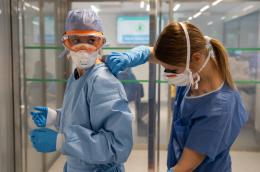
The COVID-19 pandemic is causing untold human suffering and is likely to heighten gender-based inequalities around the world. As economic activity comes to a halt, women who face disadvantage in access to decent work will suffer the most. What's more, health pandemics can make it more difficult for women and girls to receive treatment and health care. There is also a growing concern that violence against women and girls is intensifying as women with violent partners find themselves isolated from the people and resources that can help them.
UN Women has been closely following the political and economic response to COVID-19 and how it is impacting women and girls. We are working with partners to bridge the gender data gap and deliver a more accurate picture of the gender dimension to the response so that it can be more effective for women and girls. As more gender data is produced and disaggregated, UN Women will make it available.
It is our job to support governments to uphold the rights of women and girls – something that is even more urgent in times of crisis.
Click here to see the data.
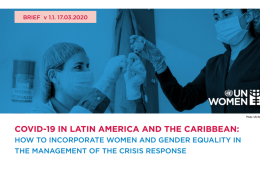
Crisis management or emergency situations such as COVID-19 can have serious impacts on the lives of women and girls, if gender dimensions are not considered. Issues such as care work, economic autonomy, physical or sexual violence, women's participation in decision-making, disaggregation of data by sex, gender analysis, and irregular migration are just some of the areas of concern that must be part of an effective response to the health crisis that the world is going through right now.
The UN Women office for the Americas and the Caribbean has developed the informative brief “COVID-19 in Latin America and the Caribbean: how to incorporate women and gender equality in the management of the response to the crisis”.
This document indicates different impacts and a series of recommendations so that decision makers can integrate the gender perspective as the key for an effective response to COVID-19 that integrates the needs of women and girls in Latin America and the Caribbean.
Click here to see the informative brief.