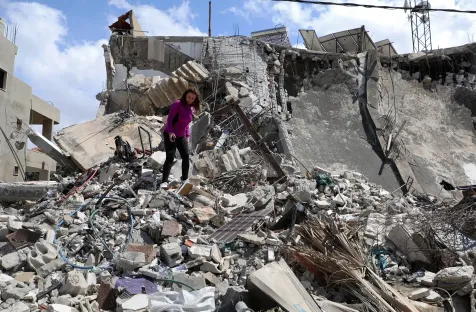
The military escalation in the Middle East has had a devastating impact on women and girls across the region, and far beyond.
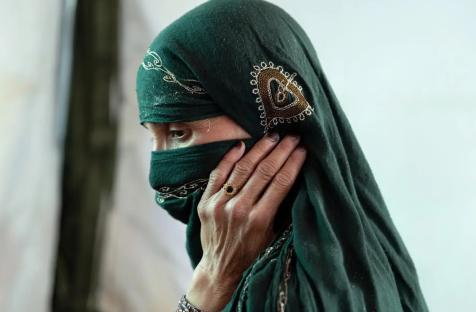
Advocacy and development are effective tools for gender advocates, male champions, civil society, and other stakeholders to hold leaders accountable to their commitments on concrete, measurable actions that guarantee women can fully and equally enjoy their rights. These include the ability to exercise freedom and choices, go to school, live free from violence, earn equal pay for equal work, and meaningfully engage in decision-making and political processes. Advocacy groups can collectively put pressure their leaders for legislative reforms to protect and promote women’s rights and concerns, which may require coalition-building, fundraising, civic education, awareness-raising and consensus-building on key issue platforms. Influencing legislation itself may require convince policy makers and legislators to address specific issues relevant to gender equality and women’s empowerment, which may involve introducing or revising legislation and policy.
The military escalation in the Middle East has had a devastating impact on women and girls across the region, and far beyond.
It was during an air attack in eastern Afghanistan that 30-year-old Najeeba* felt her labour pains begin. Around her, families were already on the move, fleeing renewed hostilities along the border between Pakistan and Afghanistan. But her baby wasn’t going to wait.
The media does more than report the news. It shapes the way people think, influences social norms, and creates the narratives through which we understand people, events, and society.
There are interviews that simply answer questions. Then there are conversations that leave a lasting imprint on the heart.
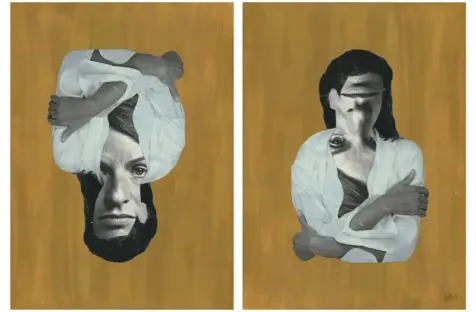
Gender has become one of the defining political battlegrounds of our time.
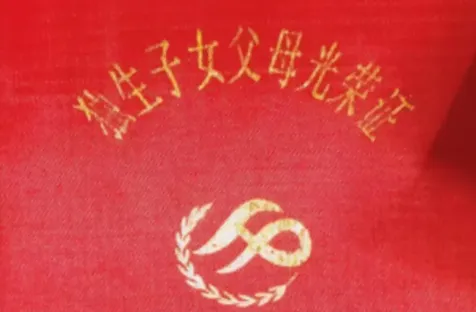
Ziyu, born in 2002, still remembers the first time her mother asked whether she wanted a younger sibling.
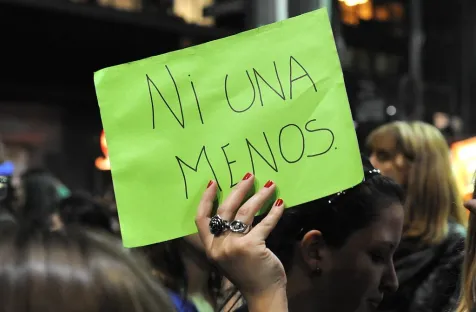
There are phrases born from the deepest pain that end up changing history.
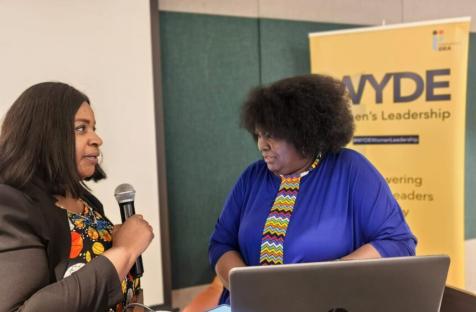
The webinar was organized by the International Institute for Democracy and Electoral Assistance (International IDEA) under the Women and Youth Democratic Engagement (WYDE) Women’s Leadership Initiative, funded by the European Union and implemented in partnership with UN
Introduction
Introduction