A Gender Analysis of the 2017 Kenya General Elections by NDI

Women’s political participation in electoral processes requires targeted support to overcome gender discrimination. Key strategies for enhancing gender balance in electoral processes include: working with political parties to promote gender sensitive policies and practices to foster women’s leadership; targeted outreach and support for women to register to vote and safely access polling stations; guarantee of protection from election related violence and harassment; the use of quotas and temporary special measures to increase women’s representation; effective technical and financial support to women candidates and political leaders; and engagement of male champions for women’s empowerment and gender equality.

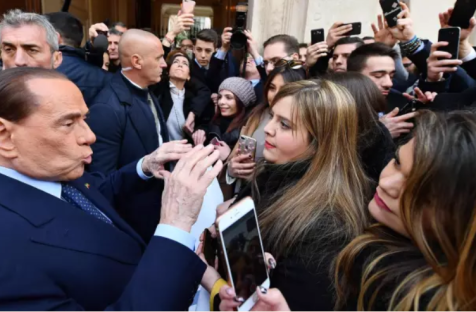
On the evening of Italy’s March 4 general election, Tiziana Stellato will be counting ballots in the hospital where she works. But like many disgruntled Italians, she may not even vote.
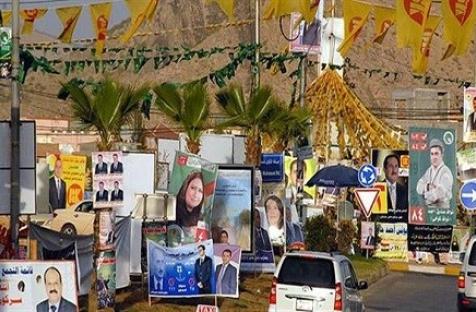
SULAIMANI, Kurdistan Region — Women in Kurdistan are heading several parties’ voting lists, and some don’t want Iraq’s 25-percent quota system to be seen as the reason for their candidacies in this year’s elections.
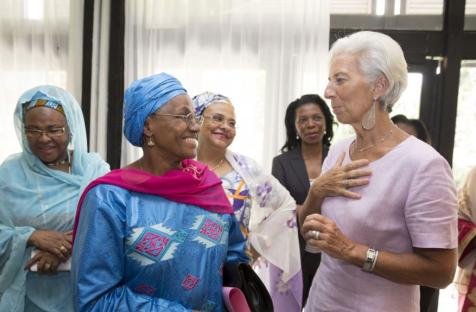
YAOUNDE — Political parties in Cameroon have set an ambitious goal ahead of this year’s polls — to put women in at least 30 percent of elected offices.
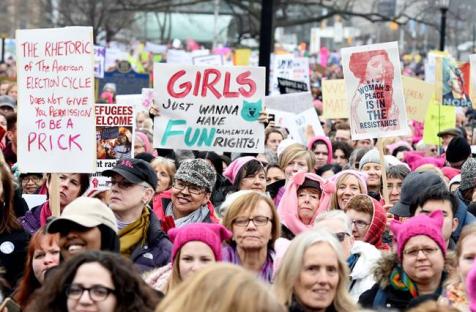
WASHINGTON — No matter which party ultimately triumphs in the November midterm elections, here is one thing we know for sure about 2018: It will be the Year of the Woman — supercharged.
Since Hillary Clinton’s devastating loss in the 2016 election, there has been a renewed interest for women in politics and women running for politics.

Since Hillary Clinton’s devastating loss in the 2016 election, there has been a renewed interest for women in politics and women running for politics.
Pakistani women face unique and frequently more severe challenges to their political participation than men do.

Pakistani women face unique and frequently more severe challenges to their political participation than men do.

Hundreds of thousands of women marched on the streets in response to Donald Trump’s electio
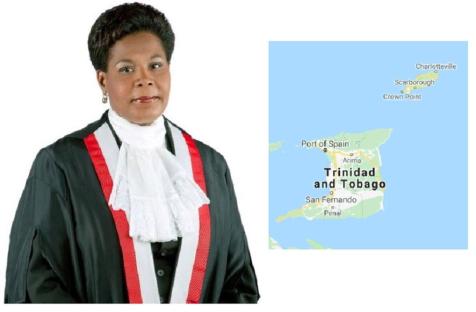
Justice Paula-Mae Weekes has been elected president of island nation Trinidad and Tobago. This makes her the first woman to lead the twin sovereign island in the southernmost part of the Caribbean.