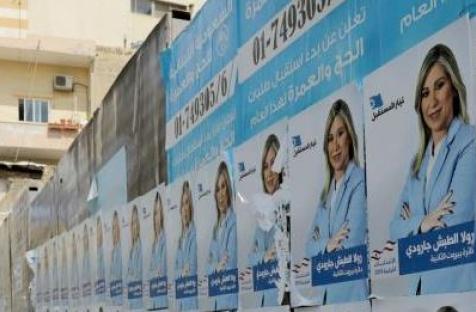
Lawyers, journalists, engineers, architects, NGO workers: the profile of the female candidates for the Lebanese parliamentary elections is as diversified as society itself.
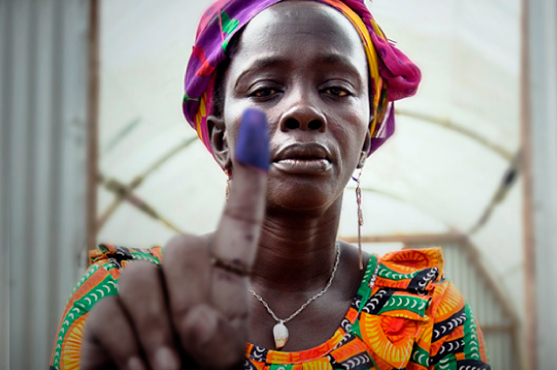
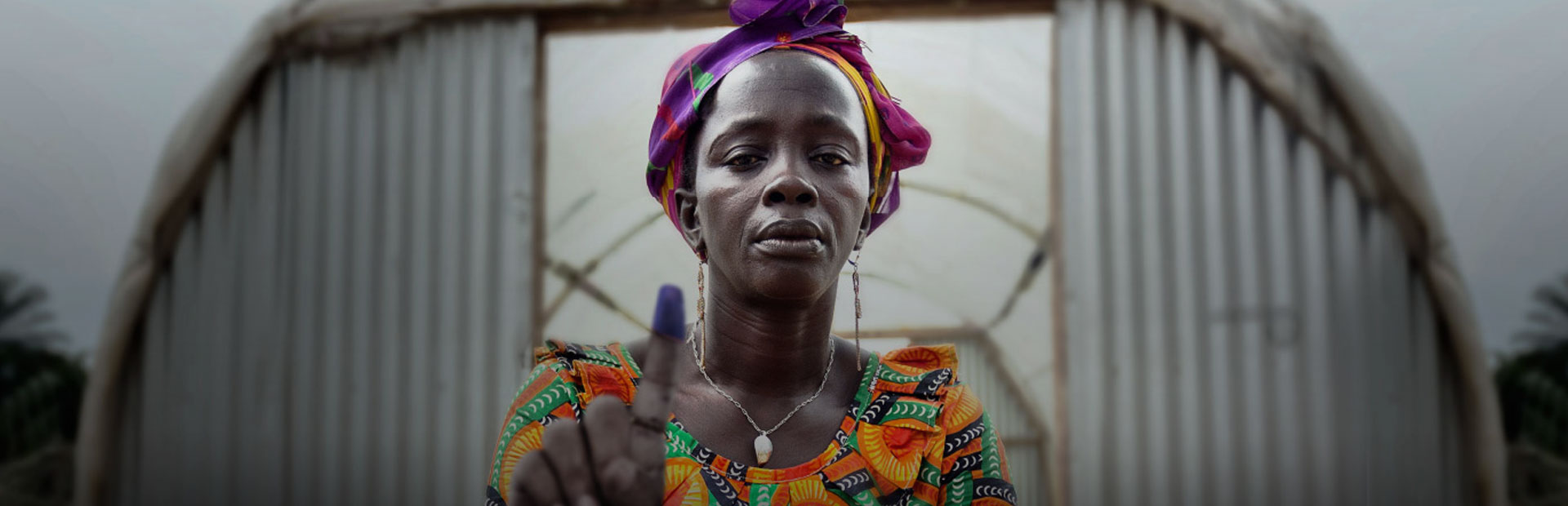
Women’s political participation in electoral processes requires targeted support to overcome gender discrimination. Key strategies for enhancing gender balance in electoral processes include: working with political parties to promote gender sensitive policies and practices to foster women’s leadership; targeted outreach and support for women to register to vote and safely access polling stations; guarantee of protection from election related violence and harassment; the use of quotas and temporary special measures to increase women’s representation; effective technical and financial support to women candidates and political leaders; and engagement of male champions for women’s empowerment and gender equality.
Lawyers, journalists, engineers, architects, NGO workers: the profile of the female candidates for the Lebanese parliamentary elections is as diversified as society itself.
The Lower House moved to address the low representation of women in politics with a bill April 12 urging political parties to field male and female candidates in national and local assembly elections in equal numbers.
(CNN) The 2018 midterm elections are already historic when it comes to the number of women candidates running.
Gender inequality in the political process remains an important problem in all countries.
Eight years after the country's first female Prime Minister was elected, Trinidad and Tobago witnessed the swearing-in ceremony of the country's first female President, Paula-Mae Weekes.
Tasmania has become the first state in Australian history to elect a majority of female MPs to its legislature.
A new report published by NDI and the Federation of Women Lawyers (FIDA Kenya)
On the evening of Italy’s March 4 general election, Tiziana Stellato will be counting ballots in the hospital where she works. But like many disgruntled Italians, she may not even vote.