April 24, 2017
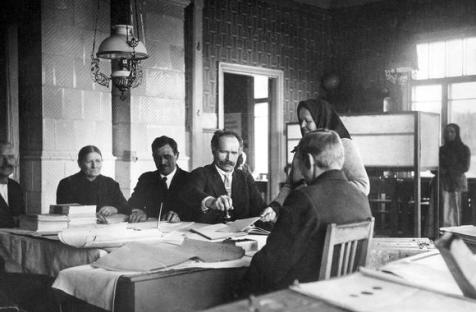
Women have been voting more than men for three decades in Finland
This article was originally pub
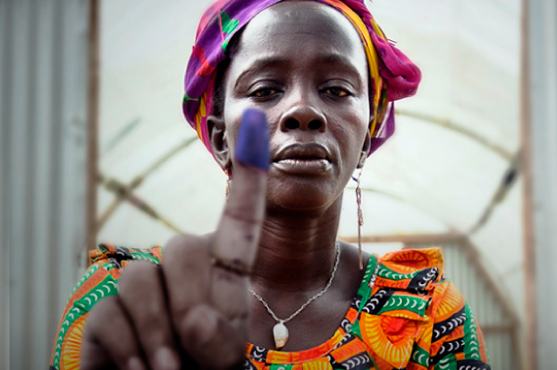
Women’s political participation in electoral processes requires targeted support to overcome gender discrimination. Key strategies for enhancing gender balance in electoral processes include: working with political parties to promote gender sensitive policies and practices to foster women’s leadership; targeted outreach and support for women to register to vote and safely access polling stations; guarantee of protection from election related violence and harassment; the use of quotas and temporary special measures to increase women’s representation; effective technical and financial support to women candidates and political leaders; and engagement of male champions for women’s empowerment and gender equality.


This article was originally pub
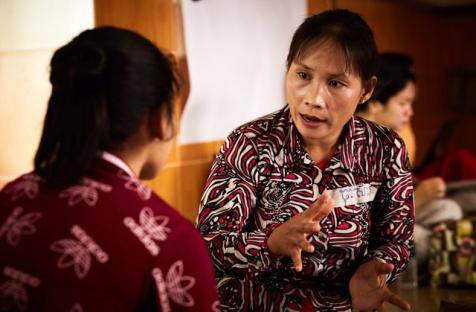
SIEM REAP, CAMBODIA – In
The Research and Advocacy Unit (RAU

The Research and Advocacy Unit (RAU
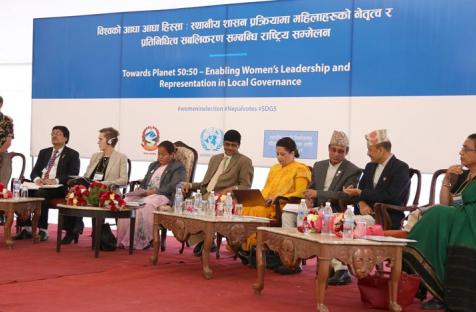
KATHMANDU: The Election Commission
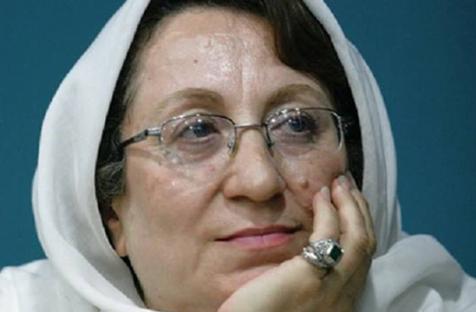
The low number of female participan
Fewer than one in six Scottish Cons
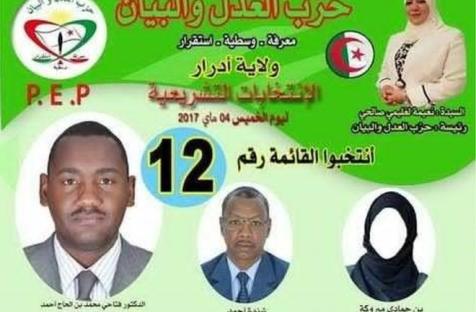
Parties in Bordj Bou Arreridj Provi
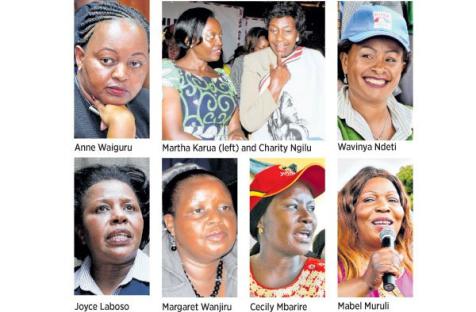
Kenya could get its first female go
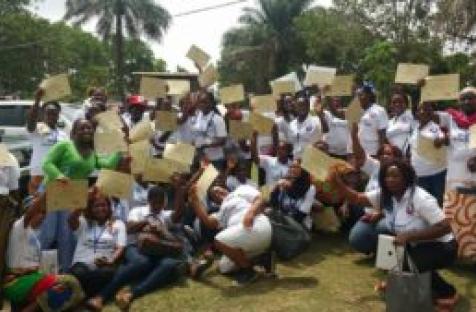
The National Youth Movement for Tra