
Elections

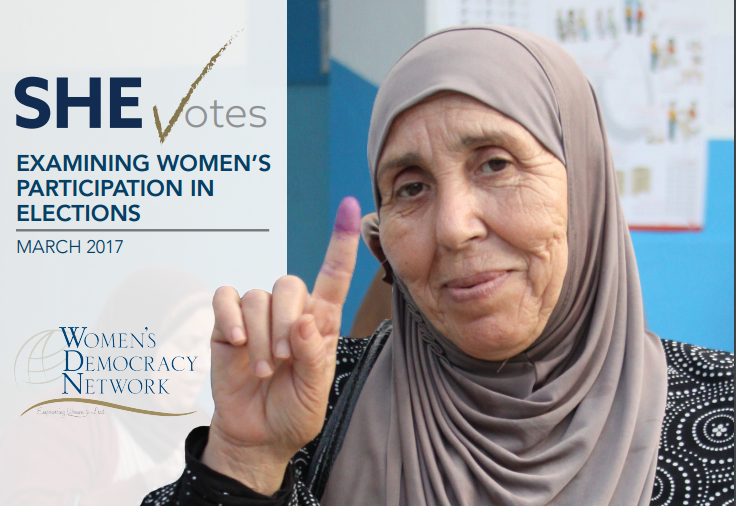
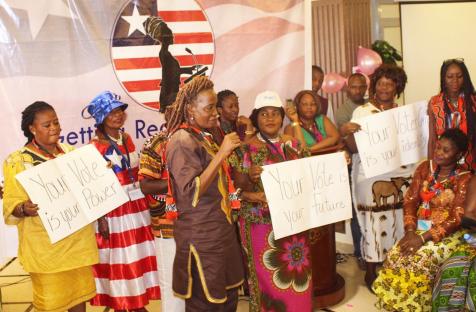
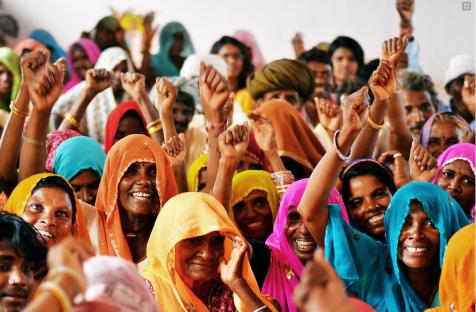
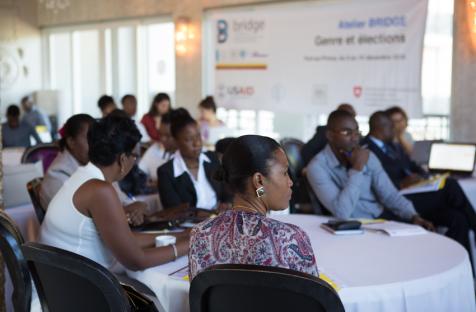
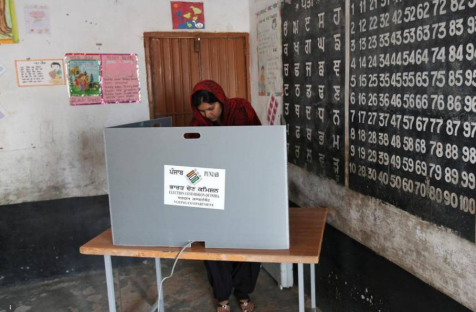
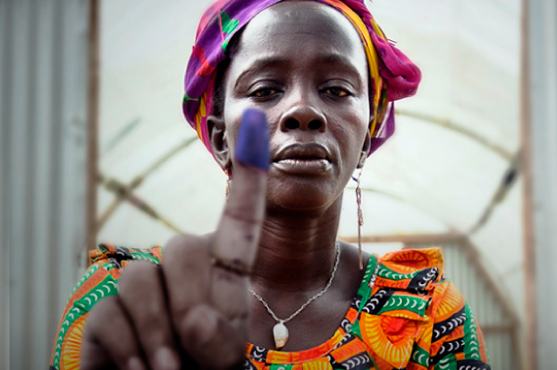
Women’s political participation in electoral processes requires targeted support to overcome gender discrimination. Key strategies for enhancing gender balance in electoral processes include: working with political parties to promote gender sensitive policies and practices to foster women’s leadership; targeted outreach and support for women to register to vote and safely access polling stations; guarantee of protection from election related violence and harassment; the use of quotas and temporary special measures to increase women’s representation; effective technical and financial support to women candidates and political leaders; and engagement of male champions for women’s empowerment and gender equality.

Show on Home Page
Yes
Image
Icon
Banner Image

VOTES WITHOUT VIOLENCE: Monitoring and Mitigating Violence Against Women in Elections

Back
October 19, 2016

VOTES WITHOUT VIOLENCE: Monitoring and Mitigating Violence Against Women in Elections

Election monitoring, whether by citizen observation groups or international observers, can provide a s

Election monitoring, whether by citizen observation groups or international observers, can provide a s

NDI's “Votes Without Violence” online initiative

Back
October 19, 2016

NDI's “Votes Without Violence” online initiative

Through its “Votes Without Violence” initiative, the National Democratic Institute (NDI) is developing and testing new strategies to address violence against women in elections.

Through its “Votes Without Violence” initiative, the National Democratic Institute (NDI) is developing and testing new strategies to address violence against women in elections.

October 5, 2016
Parliament votes for first female president of Estonia

Estonia’s parliament has selected a

September 28, 2016
Women gain ground in parliamentary election in Jordan

Women’s rights campaigners in 

August 23, 2016
Municipal elections offer political first step for Lebanese women

According to the National Commissio

Interviews