The ‘Joyce Banda Effect’: Public Opinion and Voting Behaviour in Malawi

In the 2014 elections in Malawi, th
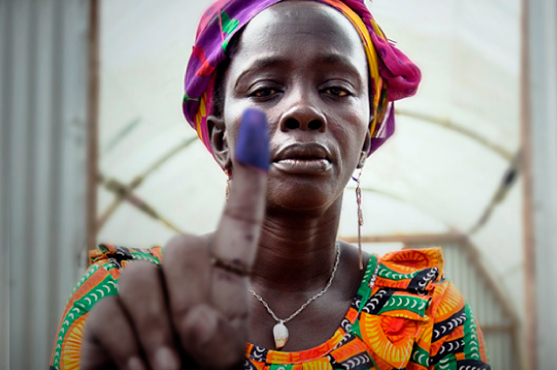
Women’s political participation in electoral processes requires targeted support to overcome gender discrimination. Key strategies for enhancing gender balance in electoral processes include: working with political parties to promote gender sensitive policies and practices to foster women’s leadership; targeted outreach and support for women to register to vote and safely access polling stations; guarantee of protection from election related violence and harassment; the use of quotas and temporary special measures to increase women’s representation; effective technical and financial support to women candidates and political leaders; and engagement of male champions for women’s empowerment and gender equality.


In the 2014 elections in Malawi, th

On March 2, 2016, the National Demo
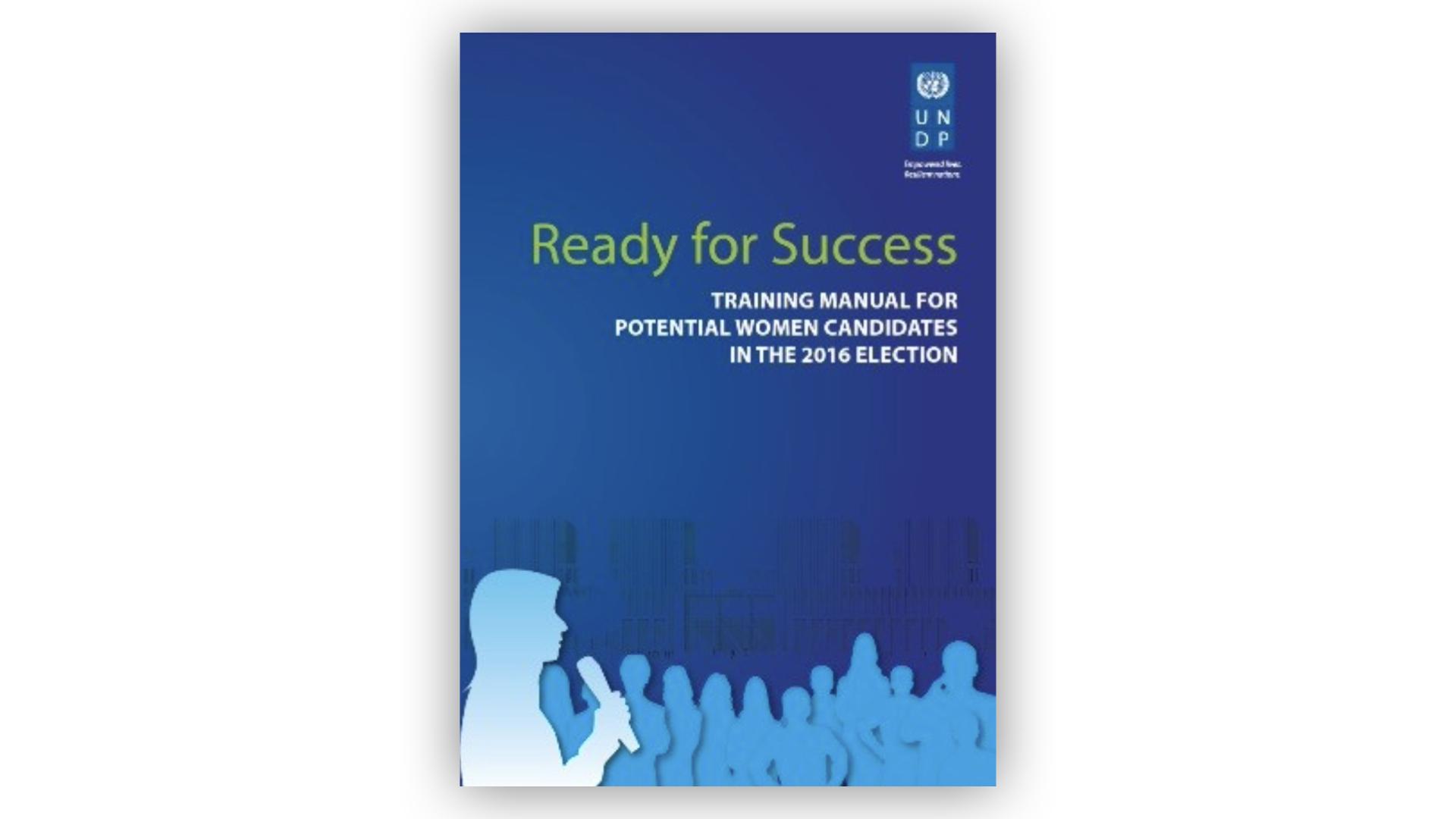
Besides equipping the readers with the most useful knowledge about Viet Nam’s political system and election process, the intention of this manual is to ensure that potential woman candidates understand they have the equal right to stand up, represent and raise their v

Calls for the integrity of elections urge governments and international actors to attach importance to the professionalism of electoral management bodies, the regulation of political finance and the promotion of equal participation and representation of women and marginalized groups.

Conventional knowledge on the effectiveness of gender quotas for enhancing women’s political participation has, to date, been unanimous on the superiority of quotas in proportional representat

Pakistan is known for its well-known female politicians. These female politicians often make headline news in both Pakistani and global media. In the recent election, many women ran for politics and even landed seats in the provincial and federal assemblies.


