‘The year of democracy’: How 2024 impacted female representation in global politics
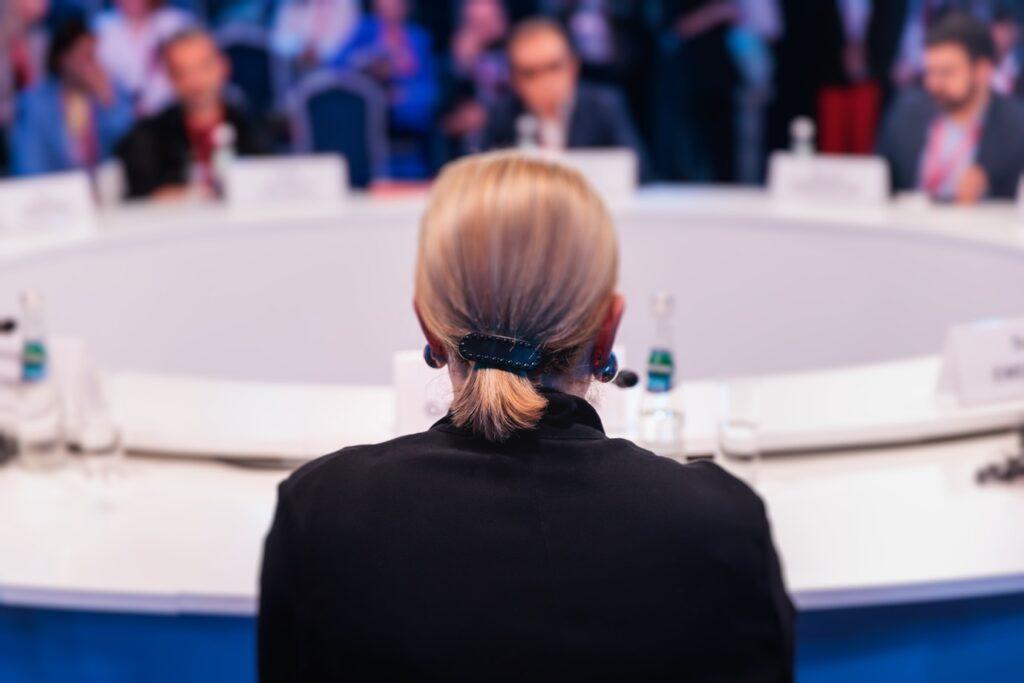
Ahead of 2024, political experts and commentators were calling this “the year of democracy”. It was deemed a “make or break year”, as around 1.5 billion peop
Women’s political participation in electoral processes requires targeted support to overcome gender discrimination. Key strategies for enhancing gender balance in electoral processes include: working with political parties to promote gender sensitive policies and practices to foster women’s leadership; targeted outreach and support for women to register to vote and safely access polling stations; guarantee of protection from election related violence and harassment; the use of quotas and temporary special measures to increase women’s representation; effective technical and financial support to women candidates and political leaders; and engagement of male champions for women’s empowerment and gender equality.
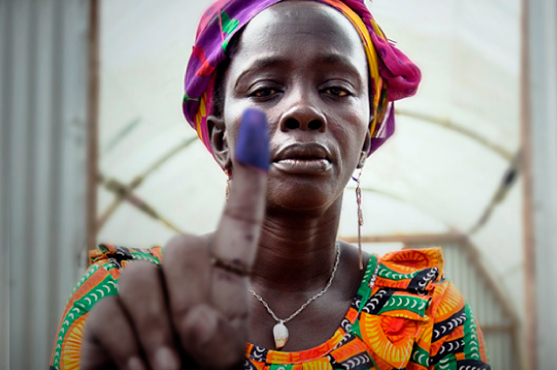


Ahead of 2024, political experts and commentators were calling this “the year of democracy”. It was deemed a “make or break year”, as around 1.5 billion peop
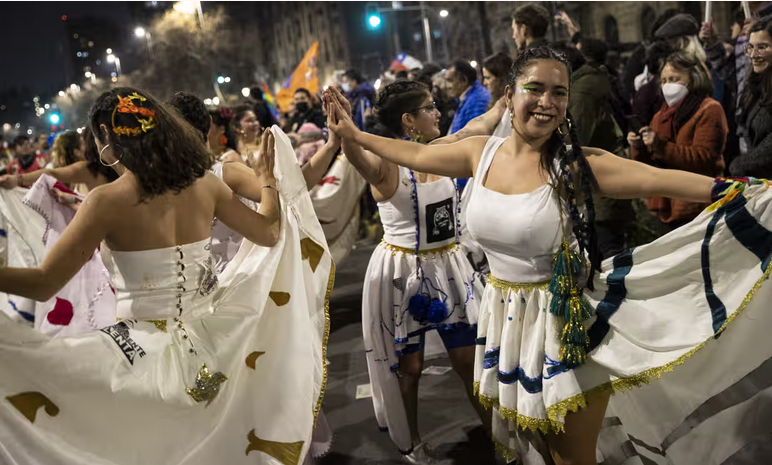
This has been a historic electoral year, with more than 1.6 billion citizens called to cast their votes in 2024.
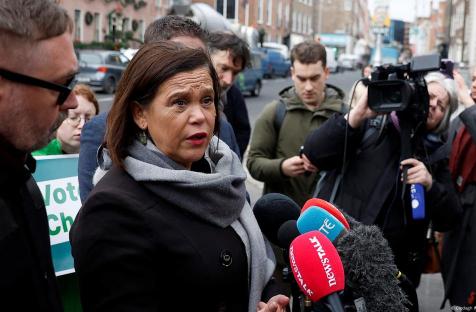
Voting began on Friday morning in Ireland's general election amid a tight race between the incumbent coalition parties
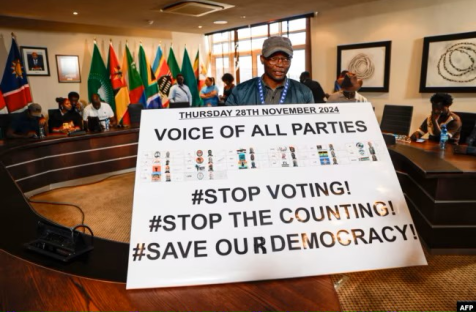
WINDHOEK, NAMIBIA — Namibia extended voting for a second time Thursday with the opposition crying foul after logistical failures prevented many people from casting their ballots in the closely fought election.
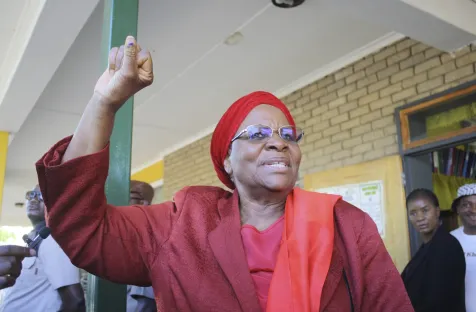

As we approach the 2024 election, Women for Election is calling for a crucial shift in Ireland’s political landscape, urging voters in Wexford and Wicklow-Wexford to support the record number of female candidates standing for election.
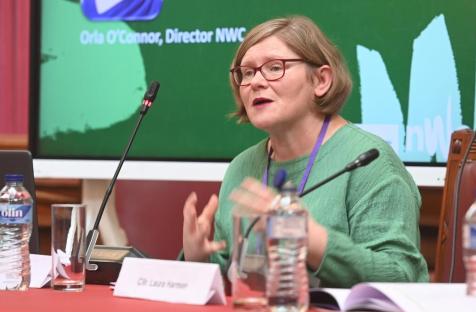
Women are "grossly under-represented" in Irish politics and the political system is "stacked in men's favour", a seminar exploring female representation in local politics has heard.

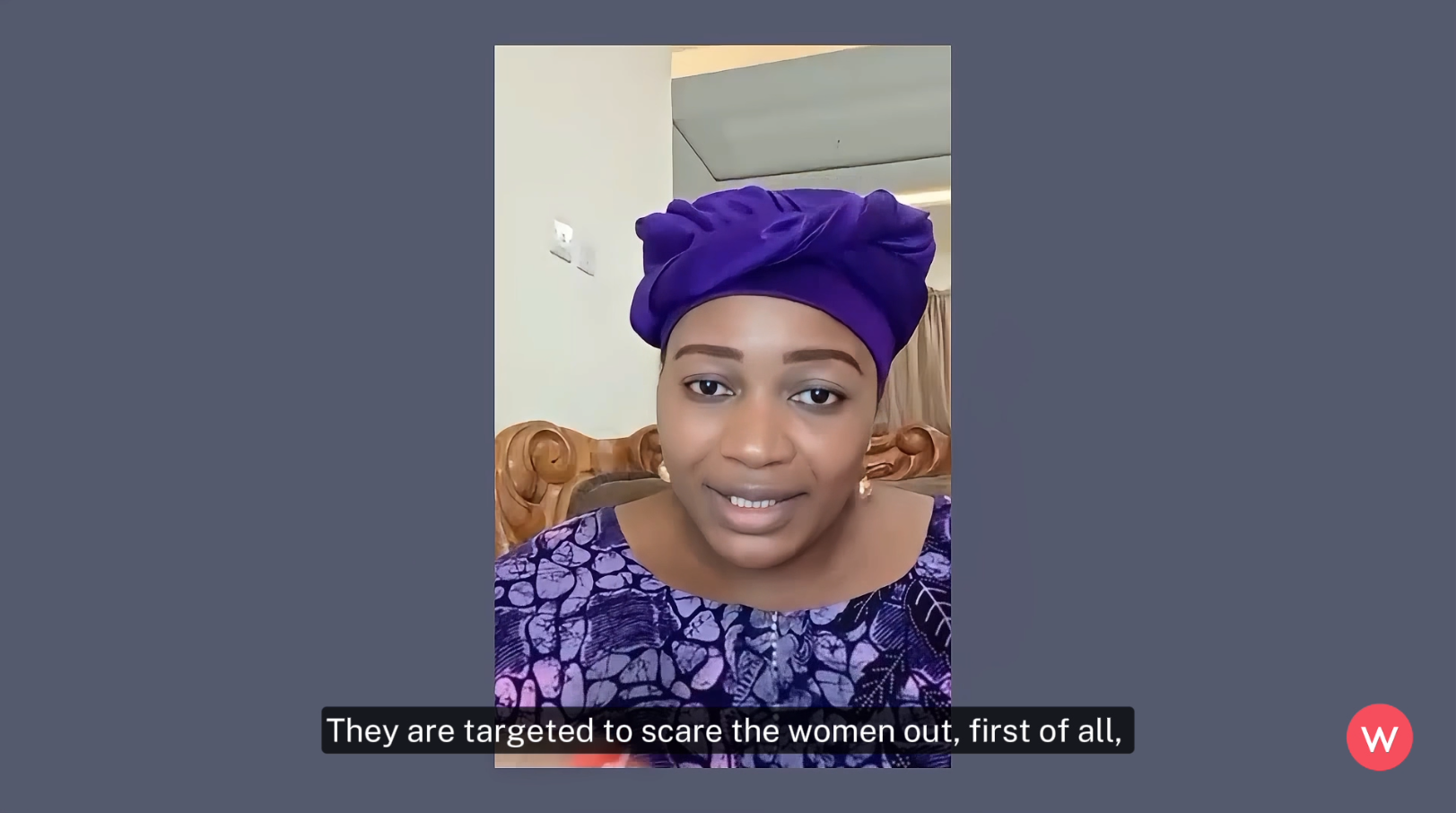
Women politicians have bemoaned rising violence against women in politics which discourages their participation in key decision-making processes.