Gender played a significant role in the 2022 election. Will it do the same in 2025?

Gender was an important factor in the 2022 election: it shaped the ways the major parties packaged their policies and their leaders.
Women’s political participation in electoral processes requires targeted support to overcome gender discrimination. Key strategies for enhancing gender balance in electoral processes include: working with political parties to promote gender sensitive policies and practices to foster women’s leadership; targeted outreach and support for women to register to vote and safely access polling stations; guarantee of protection from election related violence and harassment; the use of quotas and temporary special measures to increase women’s representation; effective technical and financial support to women candidates and political leaders; and engagement of male champions for women’s empowerment and gender equality.
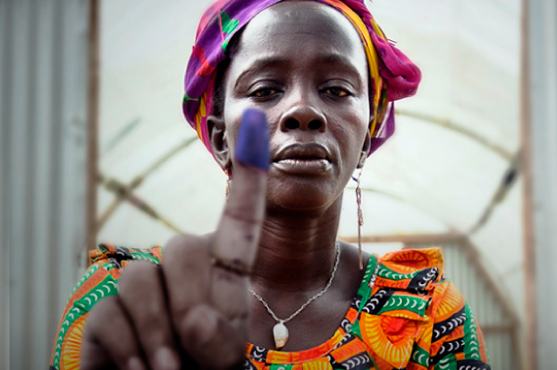


Gender was an important factor in the 2022 election: it shaped the ways the major parties packaged their policies and their leaders.

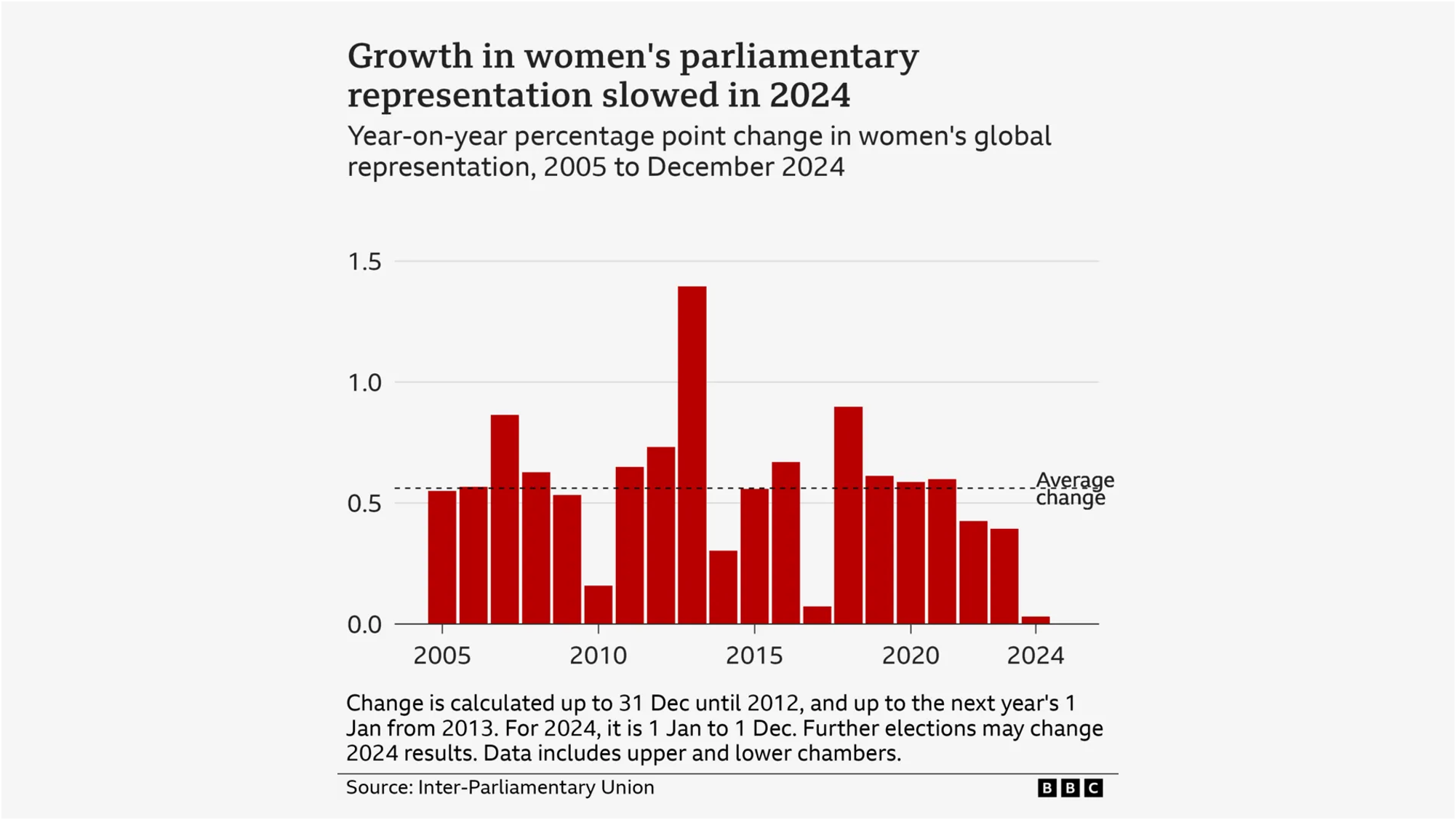
Last year, an aura of possibility hovered in anticipation of around 60 elections that were held across the world.
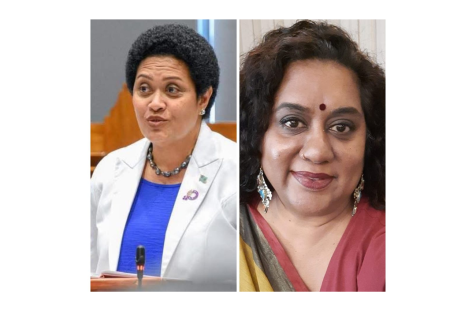
THE lack of women representation in parliaments across the world remains a vexed and contentious issue.
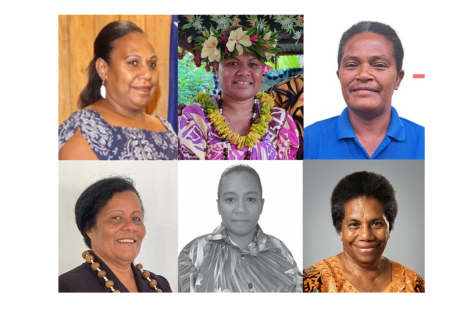
Handicraft market trader Tui Johnson has barely had time to think about politics ahead of Vanuatu’s national election as she struggles to survive after last month’s earthquake.
In recognition of the gender gap in political representation, the Inter-Party Advisory Council (IPAC) Nigeria has expressed support for the passage of a bill before the National Assembly to reserve special seats in national and state legislatures for women.
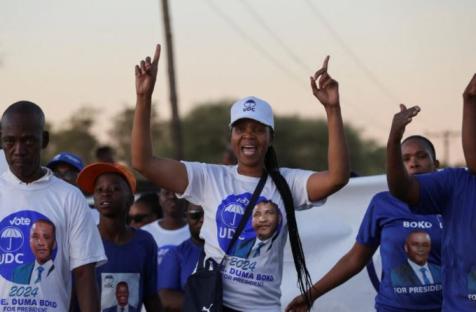
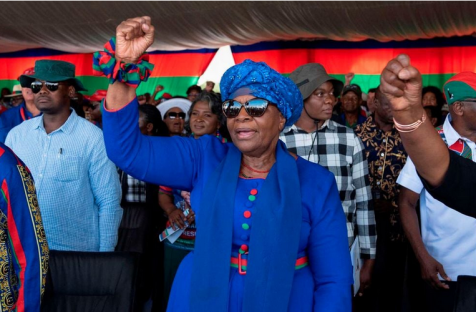
Only 28 women stood for parliament out of 258 contestants, representing 10.85 per cent. Only three women won their seats. This represents 4.92 per cent of the 61 seats. It’s a drop from 5.26 per cent in the 2019 elections.
What you need to know: