Summary of the e-Discussion on the Impact of the COVID-19 Pandemic on Women in Politics
This e-Discussion raised awareness and collected experiences, knowledge, and good practices on women’s political participation in the co
Women’s political participation in electoral processes requires targeted support to overcome gender discrimination. Key strategies for enhancing gender balance in electoral processes include: working with political parties to promote gender sensitive policies and practices to foster women’s leadership; targeted outreach and support for women to register to vote and safely access polling stations; guarantee of protection from election related violence and harassment; the use of quotas and temporary special measures to increase women’s representation; effective technical and financial support to women candidates and political leaders; and engagement of male champions for women’s empowerment and gender equality.
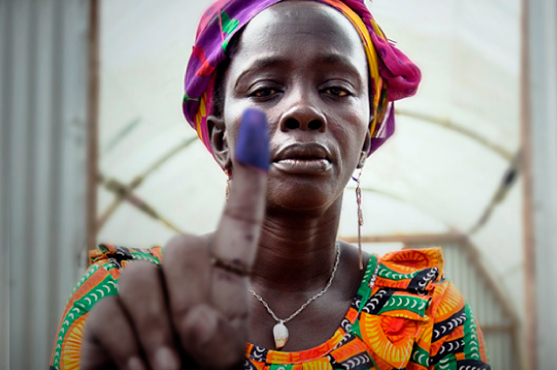

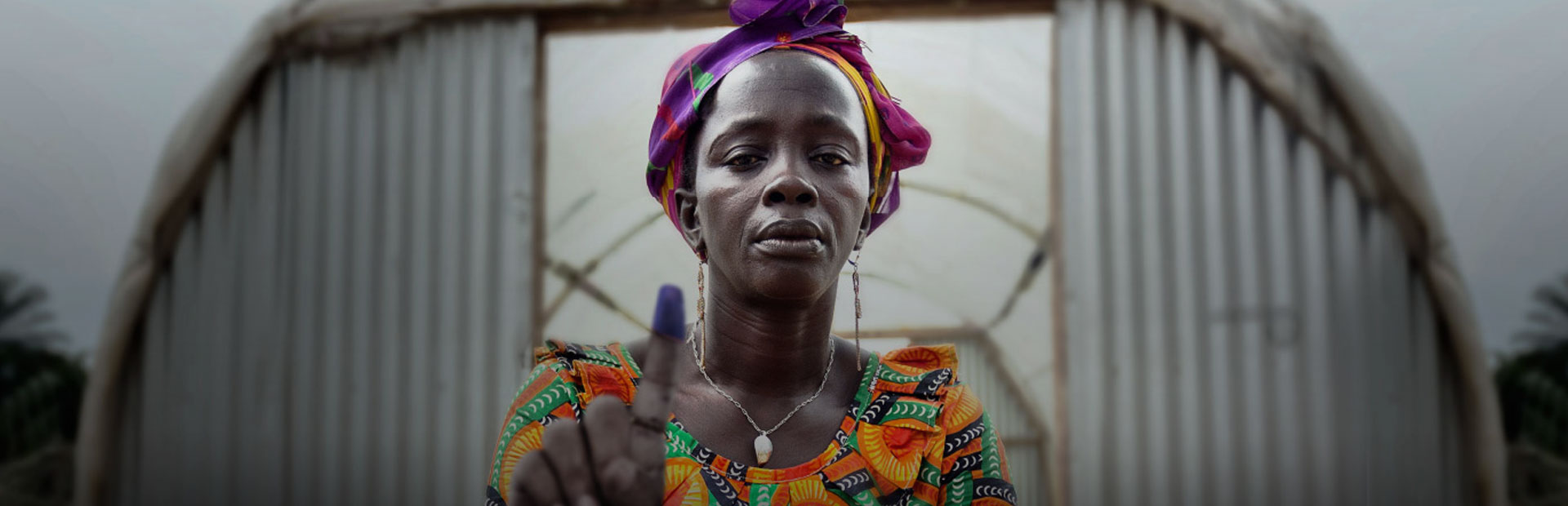
This e-Discussion raised awareness and collected experiences, knowledge, and good practices on women’s political participation in the co
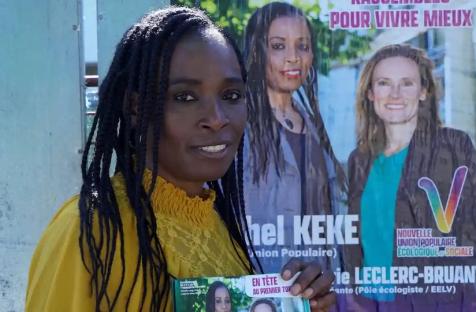
Rachel Keke, who coordinated successful strike for better pay and conditions, takes on Macron’s former sports minister.

No women are at the top of the ticket in the crowded Democratic primary race for governor, but seven have been picked as running mates.

France has lagged in gender parity in politics, coming 33rd out of 185 spots on the Inter-Parliamentary Union's monthly ranking of women in national parliaments
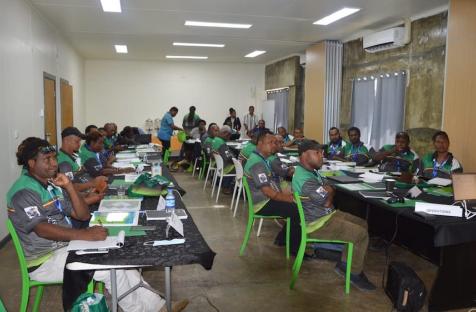
Election campaigning is underway in Papua New Guinea with strong participation from women who are "young and determined".
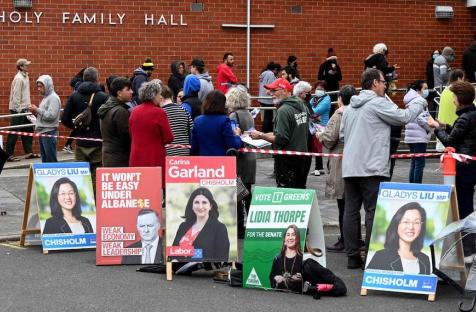
All 151 seats in the House of Representatives and 40 of the 76 Senate seats were up for reelection in the recent Australian parliament elections. The Labor Party, led by Anthony Albanese, beat the incumbent Liberal/National coalition government.

Kenya’s party primaries recently closed - a process for political parties to select candidates for the various elective seats in August’s General Election.

Professional women make up the largest voter cohort in Australia and their role was vital in giving Scott Morrison the boot.
It appears the Coalition misjudged just how many women there are in Australia.
