A groundbreaking election for women in Congress?

Women across the United States made several gains in this week’s election, producing a string of firsts down the ballot and nudging up representation in both the House and the Senate.
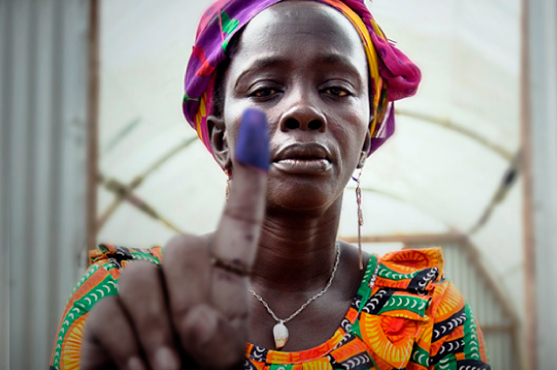
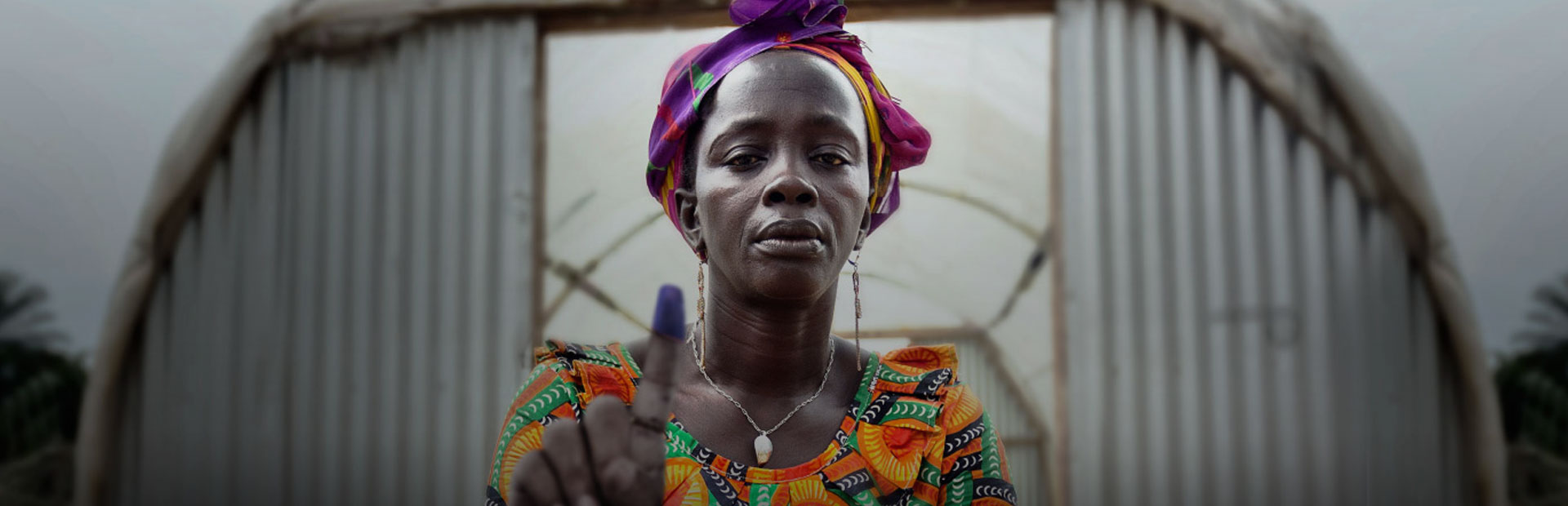
Women’s political participation in electoral processes requires targeted support to overcome gender discrimination. Key strategies for enhancing gender balance in electoral processes include: working with political parties to promote gender sensitive policies and practices to foster women’s leadership; targeted outreach and support for women to register to vote and safely access polling stations; guarantee of protection from election related violence and harassment; the use of quotas and temporary special measures to increase women’s representation; effective technical and financial support to women candidates and political leaders; and engagement of male champions for women’s empowerment and gender equality.

Women across the United States made several gains in this week’s election, producing a string of firsts down the ballot and nudging up representation in both the House and the Senate.

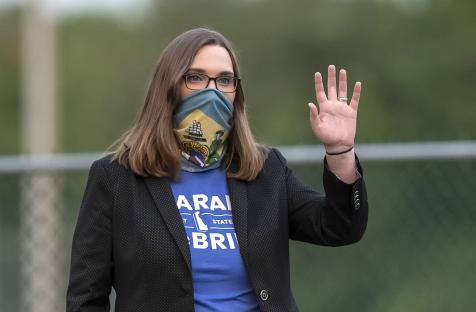
Mauree Turner won her race for Oklahoma state House for District 88 on Tuesday, becoming the first nonbinary state legislator in US history and first Muslim lawmaker in Oklahoma.

At least 131 women are set to serve in the U.S.

In this election, women made up an important voting bloc and the door is slowly opening as more women run for office. To talk about the influence of women in politics, KUNR’s Natalie Van Hoozer spoke to Dr. Christina Ladam, a political science professor at the University of Nevada, Reno.

Genevieve Woodard Hartley and her husband used to vote for the same presidential candidate. Not this year. While both describe themselves as Republicans, the couple, who live in Houston, Texas, is “splitting” its ticket.
By Dan Avery
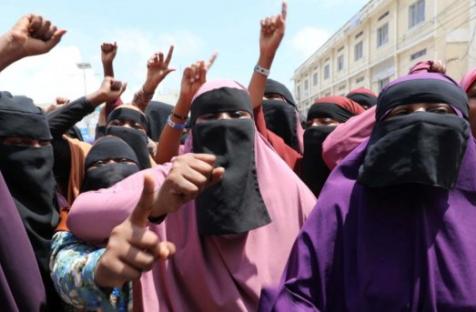
Women's rights groups, prominent businesswomen and female politicians in Somalia are urging the country's male-dominated parliament to pass a bill reserving 30 per cent of seats for women in next year's general election.

Twenty-five years ago, leaders and organizers from around the world rallied behind Hillary Clinton’s declaration that “women’s rights are human rights, and hu

A report from the Center for American Women and Politics states that, in 2020, 18 Native American women—nine Democrats and nine Republicans—will have run as congressional candi