Fighting for Space

By Akshaya Annapragada,
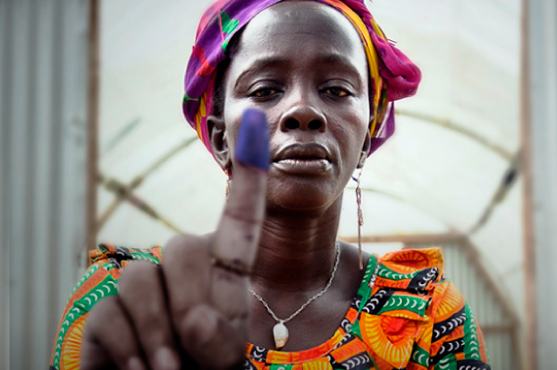
Women’s political participation in electoral processes requires targeted support to overcome gender discrimination. Key strategies for enhancing gender balance in electoral processes include: working with political parties to promote gender sensitive policies and practices to foster women’s leadership; targeted outreach and support for women to register to vote and safely access polling stations; guarantee of protection from election related violence and harassment; the use of quotas and temporary special measures to increase women’s representation; effective technical and financial support to women candidates and political leaders; and engagement of male champions for women’s empowerment and gender equality.


By Akshaya Annapragada,

By Harry Enten,
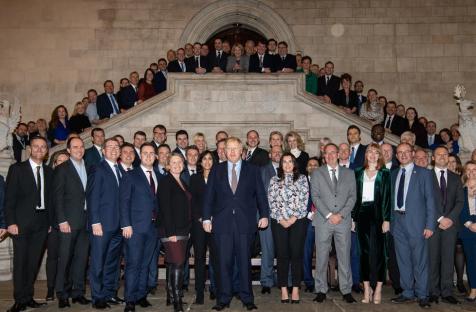
A record number of women presented themselves for office ahead of the UK’s 2019 election.

Introduction
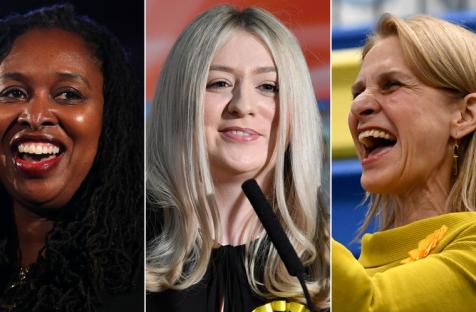
More women MPs have been elected to the

With the general election - arguably our most toxic one ever - only hours away, Marisa Bate investigates the grim reality of female MPs facing daily death and rape threats, installing panic buttons at home and asks three candidates running for re-ele
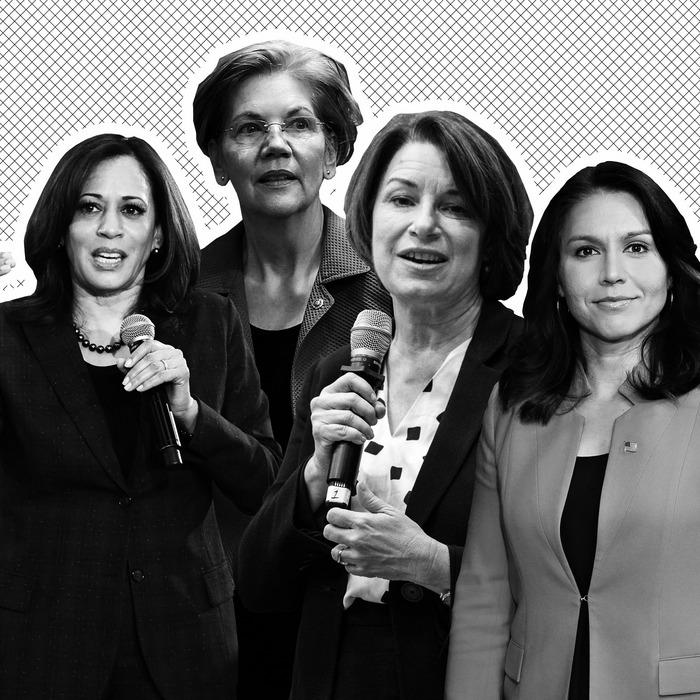
By Amanda Arnold,
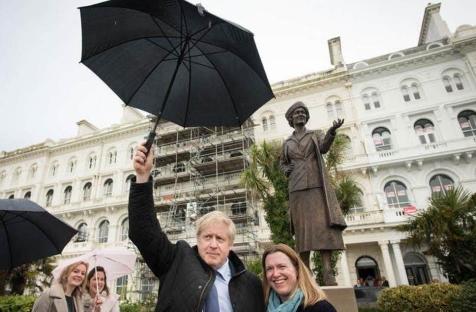
Every general election is haunted by the ghosts of campaigns past.
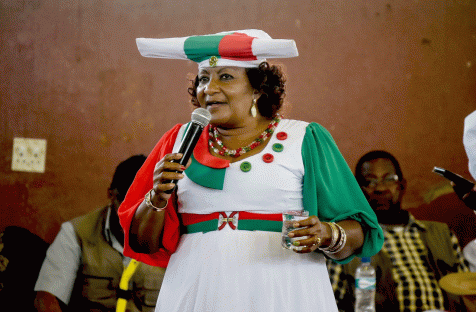
Calm and confident, Esther Muinjangue, Namibia’s first woman to run for president, says she feels a “wind of change” softly blowing through the southwest African country which goes to the polls on Wednesday.