
In new research fittingly published in the year marking the 100th anniversary of women's right to vote in the U.S., two political scientists trace the evolution of women's voting behavior, turnout and candidate choice.
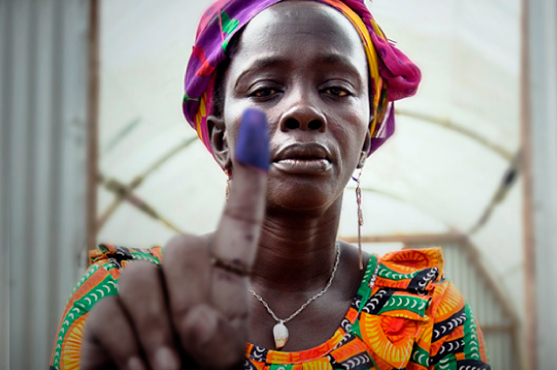
Women’s political participation in electoral processes requires targeted support to overcome gender discrimination. Key strategies for enhancing gender balance in electoral processes include: working with political parties to promote gender sensitive policies and practices to foster women’s leadership; targeted outreach and support for women to register to vote and safely access polling stations; guarantee of protection from election related violence and harassment; the use of quotas and temporary special measures to increase women’s representation; effective technical and financial support to women candidates and political leaders; and engagement of male champions for women’s empowerment and gender equality.
In new research fittingly published in the year marking the 100th anniversary of women's right to vote in the U.S., two political scientists trace the evolution of women's voting behavior, turnout and candidate choice.
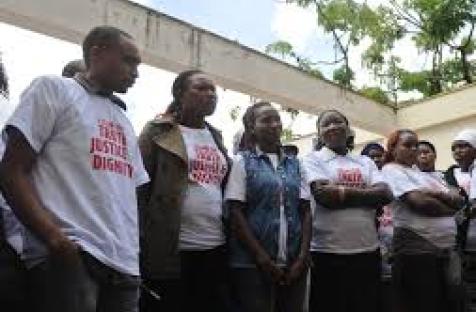
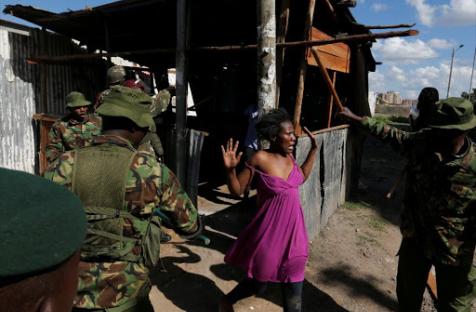
In the aftermath of the 2007-08 post-election violence, the Commission of Inquiry into the Post-Election Violence (Waki Commission) documented more than 900 sexual violence cases perpetrated by security agents and civilians against women, girls, men
In many African countries, it is time for elections this year.
A majority of women believe male candidates have an advantage when it comes to running for public office, according to a new Hill-HarrisX poll.
Michelle Williams used her Golden Globes acceptance speech to encourage women to hit the polls this November. (…)
Croatia's presidential election has been won by centre-left challenger Zoran Milanovic, who defeated the nationalist incumbent.
By Smruti Koppikar,