November 6, 2019
After weeks of Latin American protests, expect to see more women elected to office
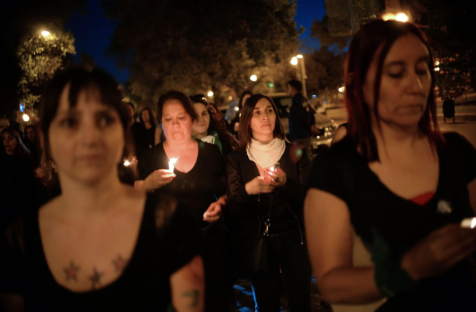
For several weeks, angry Latin Americans have been protesting in the streets.
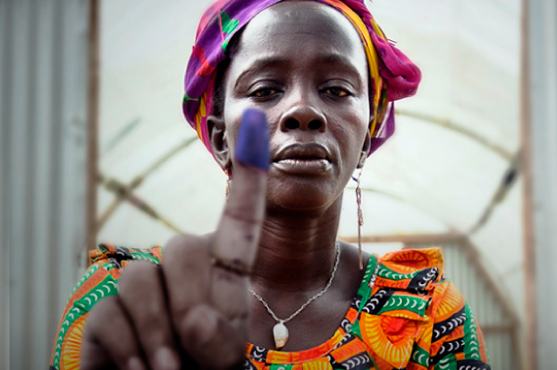
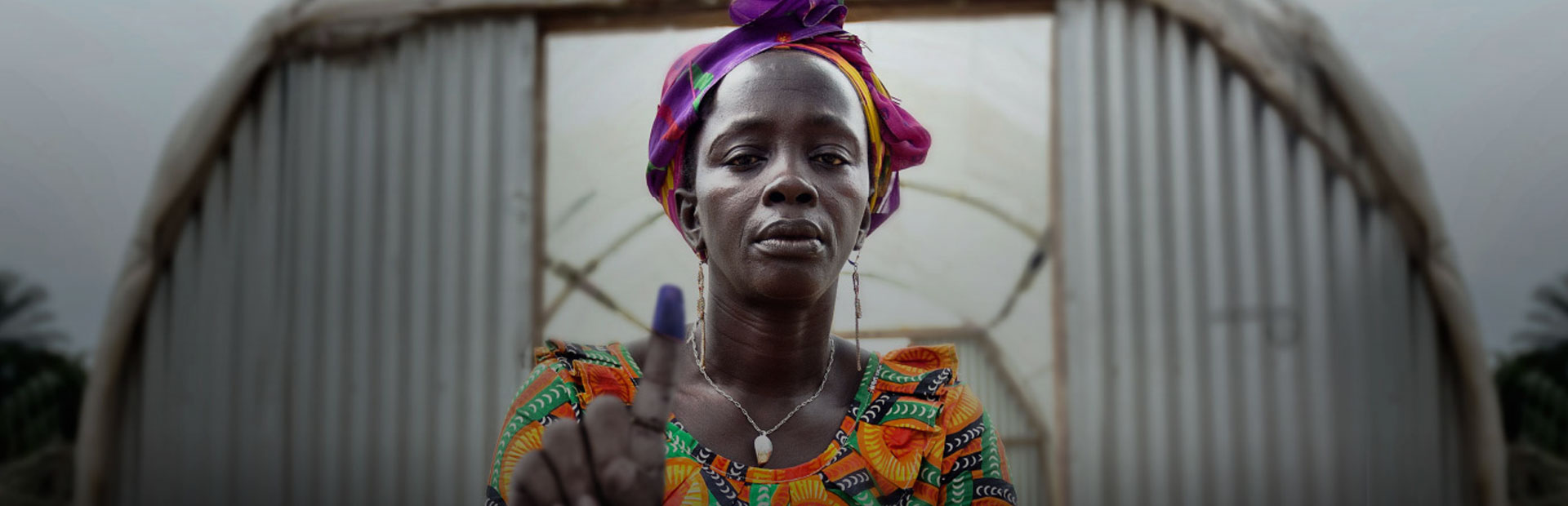
Women’s political participation in electoral processes requires targeted support to overcome gender discrimination. Key strategies for enhancing gender balance in electoral processes include: working with political parties to promote gender sensitive policies and practices to foster women’s leadership; targeted outreach and support for women to register to vote and safely access polling stations; guarantee of protection from election related violence and harassment; the use of quotas and temporary special measures to increase women’s representation; effective technical and financial support to women candidates and political leaders; and engagement of male champions for women’s empowerment and gender equality.

For several weeks, angry Latin Americans have been protesting in the streets.
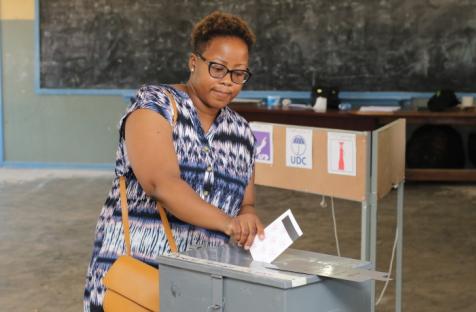
Female under-representation in politics continues to be a problem in Botswana, where only three women won seats in the 57-member National Assembly during last week’s general elections.
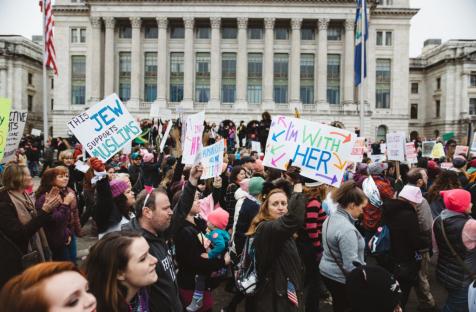
Many feminists celebrated the incredible progress made in 2018 when more women were elected to Congress than ever before—but victories at the state level warranted commemoration, too.
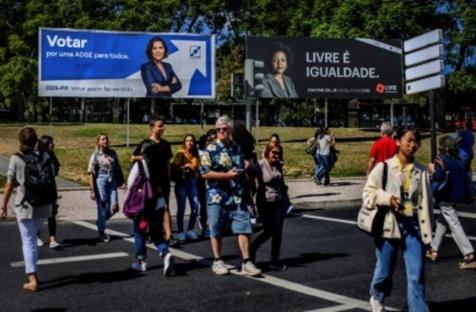
Members of Portugal's new parliament took up office on Friday, among them the country's first black women lawmakers who campaigned on promises to fight racism and inequality.
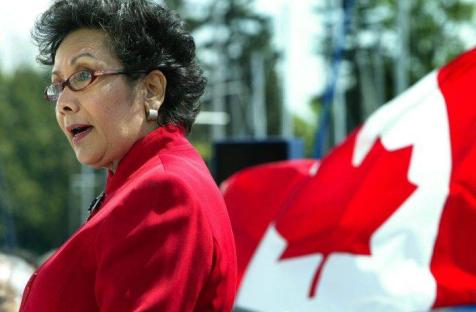
Monday’s federal election saw a new record – the most female Members of Parliament elected to the House of Commons.
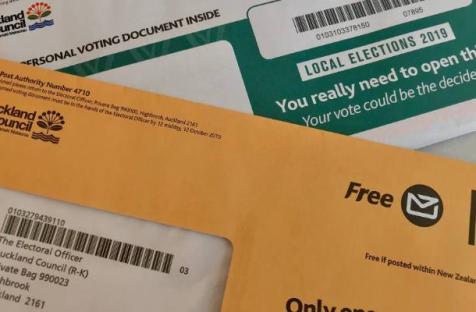
Local Government New Zealand today confirmed what many local election commentators have observed; that more of the voting public cast their ballots in favour of women candidates than ever before.
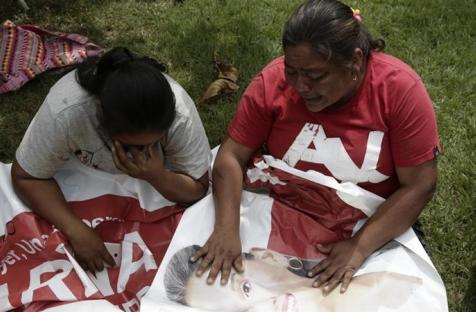
Observers say female candidates systematically threatened with physical, sexual violence to deter them from running.
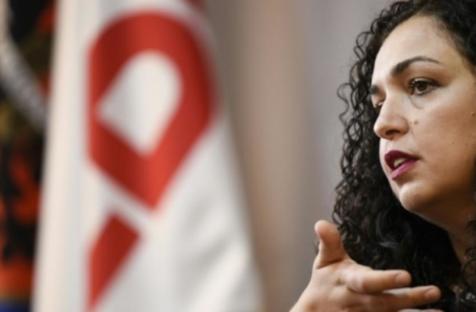
Looking back to her childhood in conflict-wracked Kosovo, Vjosa Osmani remembers listening quietly as dozens of men gathered in her father's living room to discuss the political future of the breakaway Serbian province.

Women ran for and were elected to office in record numbers in the 2018 election. They made historic gains across levels of office and reached new milestones for women’s political representation.