Elections

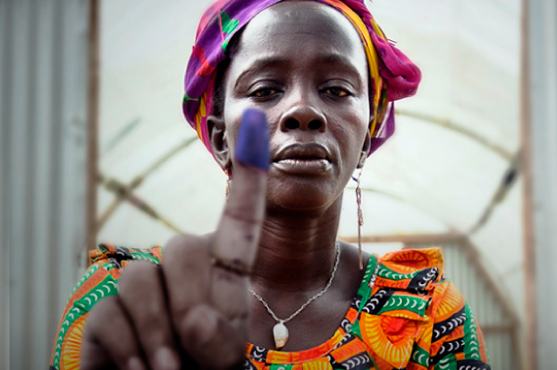
Women’s political participation in electoral processes requires targeted support to overcome gender discrimination. Key strategies for enhancing gender balance in electoral processes include: working with political parties to promote gender sensitive policies and practices to foster women’s leadership; targeted outreach and support for women to register to vote and safely access polling stations; guarantee of protection from election related violence and harassment; the use of quotas and temporary special measures to increase women’s representation; effective technical and financial support to women candidates and political leaders; and engagement of male champions for women’s empowerment and gender equality.

Show on Home Page
Yes
Image
Icon
Banner Image
June 10, 2019
Call to introduce local election gender quotas

A women’s rights group will today, 9 June, launch a €35,000 crowdfunding plan to help female candidates in future elections after accusing the Government of failing to do enough to address the issue.

Breaking the mold: Understanding gender and electoral violence

Back
June 7, 2019

Breaking the mold: Understanding gender and electoral violence

Women around the world are playing increasingly visible roles in the political processes of their countries as voters, candidates, representatives, protesters, journalists and as civic educators in the home, the community and beyond.

Women around the world are playing increasingly visible roles in the political processes of their countries as voters, candidates, representatives, protesters, journalists and as civic educators in the home, the community and beyond.

Violence against women in elections in the Autonomous Region of Bougainville: An IFES assessment

Back
June 7, 2019

Violence against women in elections in the Autonomous Region of Bougainville: An IFES assessment

Violence against women in politics is a substantial threat to the integrity of the electoral process, affecting women’s participation as voters, candidates, election officials, activists and political party leaders and undermining free, fair and incl

Violence against women in politics is a substantial threat to the integrity of the electoral process, affecting women’s participation as voters, candidates, election officials, activists and political party leaders and undermining free, fair and incl

Violence against women in elections in Papua New Guinea: An IFES assessment

Back
June 7, 2019

Violence against women in elections in Papua New Guinea: An IFES assessment

Violence against women in politics is a substantial threat to the integrity of the electoral process, affecting women’s participation as voters, candidates, election officials, activists and political party leaders and undermining free, fair and incl

Violence against women in politics is a substantial threat to the integrity of the electoral process, affecting women’s participation as voters, candidates, election officials, activists and political party leaders and undermining free, fair and incl

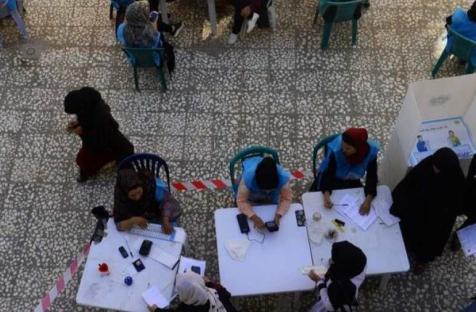
Violence against women in elections in Afghanistan: An IFES assessment

Back
June 7, 2019

Violence against women in elections in Afghanistan: An IFES assessment

On October 20, 2018, Afghanistan held its long-delayed national parliamentary (Wolesi Jirga) elections.

On October 20, 2018, Afghanistan held its long-delayed national parliamentary (Wolesi Jirga) elections.

June 6, 2019
Finland's new female-powered government sworn in

Finland's new center-left coalition government has been sworn in, with the country's first Social Democratic prime minister in 16 years assuming office along with a climate issue-focused Cabinet where women are in the majority.

June 6, 2019
Breaking the glass ceiling: How these women parliamentarians made it

With a record 78 MPs, this election proved that female candidates can win.

Meet some first-timers without any political lineage to find out the odds they conquered on the way to Parliament.

June 3, 2019
Record number of women become MEPs – but men still dominate

More women have been elected to the European parliament than ever before but men still account for 60% of MEPs, according to an early analysis of the European 

May 31, 2019
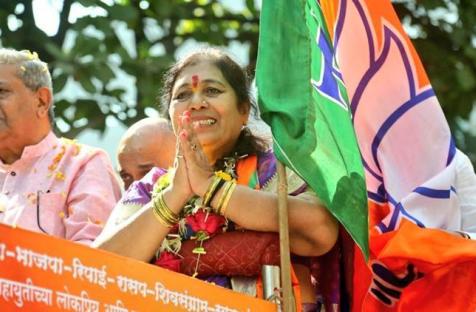
724 women contested Lok Sabha polls, 78 were elected, yet only 3 made it to PM Modi's cabinet

The newly-elected 17th Lok Sabha set the record with highest number of woman: 78 MPs. However, Prime Minister Narendra Modi’s cabinet, which was sworn-in on Thursday, in a largest-ever gathering, has only six women ministers in the government.