
Elections

Women’s political participation in electoral processes requires targeted support to overcome gender discrimination. Key strategies for enhancing gender balance in electoral processes include: working with political parties to promote gender sensitive policies and practices to foster women’s leadership; targeted outreach and support for women to register to vote and safely access polling stations; guarantee of protection from election related violence and harassment; the use of quotas and temporary special measures to increase women’s representation; effective technical and financial support to women candidates and political leaders; and engagement of male champions for women’s empowerment and gender equality.

Show on Home Page
Yes
Image
Icon
Banner Image
March 6, 2019
Estonia looks set for first ever female prime minister

THE republic of Estonia has just had a General Election – and, as has happened in so many countries across Europe, far-right groups have mad

February 19, 2019
Nigeria’s female candidates seek victory despite harassment

Nervous ahead of Nigeria's delayed election, a group of young women picked up their cellphones and wished each other well.

February 14, 2019
A candidate’s message for Nigerian politics: Make way for women

As she made her way along a lumpy dirt road clutching a stack of her own campaign flyers, Zainab Umar considered the odds against her.

February 14, 2019
The battle to create more space for women in Nigeria’s politics

In the run-up to Nigeria’s general election, starting this Saturday, more and more organisations are trying to turn the tide and get more women into elective positions.

February 11, 2019
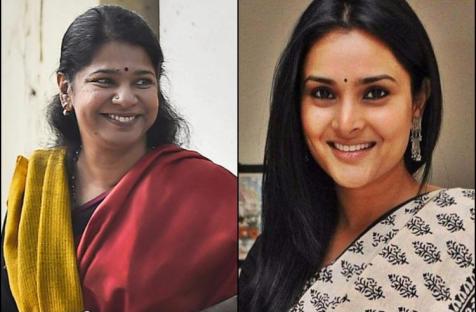
Kanimozhi, Divya Spandana to lend voice to maximise women’s representation in politics

Ahead of the upcoming Lok Sabha elections, Shakti, a non-partisan collective for women in politics, has been doing several campaigns to push for more women candidates.