Women in politics are the new, unexceptional normal
By Soraya Chemaly,
By Soraya Chemaly,
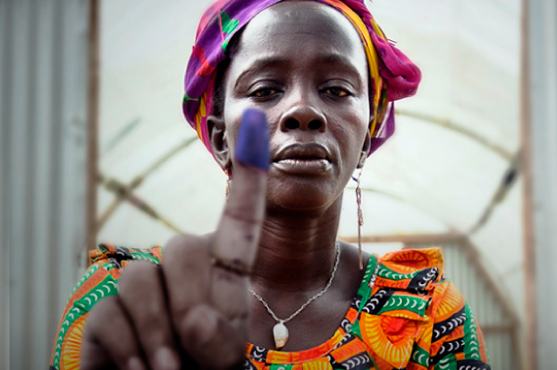
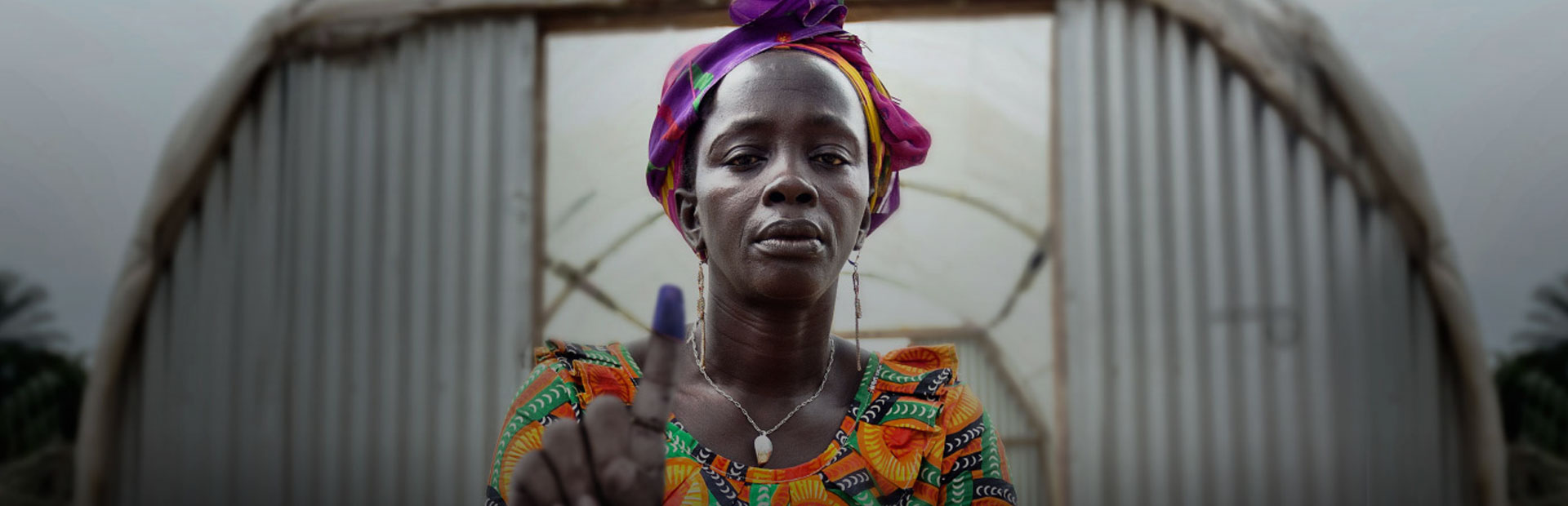
Women’s political participation in electoral processes requires targeted support to overcome gender discrimination. Key strategies for enhancing gender balance in electoral processes include: working with political parties to promote gender sensitive policies and practices to foster women’s leadership; targeted outreach and support for women to register to vote and safely access polling stations; guarantee of protection from election related violence and harassment; the use of quotas and temporary special measures to increase women’s representation; effective technical and financial support to women candidates and political leaders; and engagement of male champions for women’s empowerment and gender equality.
By Soraya Chemaly,
By Soraya Chemaly,
Historic wins for women in the midterm elections drove home the interpretation that 2018 was, indeed, the “Year of the Woman.” But it remains unknown whether women’s political capital will continue to rise.
Are Indian women voting at higher rates than before?
Female candidates for Congress made history on Tuesday night, with more than 100 women sweeping into office on the strength of a Democratic House takeover powered in large part by college-educated female voters.
There are 46 women in the 52nd Parliament of New Zealand, the highest level of representation for women in its history.
Progressive Democrat Alexandria Ocasio-Cortez won her race for a U.S. House seat in New York’s 14th District on Tuesday, becoming the youngest woman ever elected to Congress.
Even before the votes are in, the numbers prove it: 2018 is the Year of the Woman.
Female politicians made history this week in Israel with a record of at least 11 women chosen to head cities and local councils across the country, five more than in the previous municipal elections.
By Susan Chira
Conventional wisdom on women and politics goes like this: