April 1, 2021
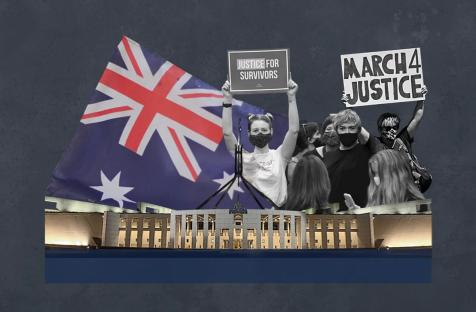
Can gender quotas counter sexism in Australian politics?
In recent months, Australians have grown accustomed to stories of sexual impropriety by their politicians dominating the news headlines.
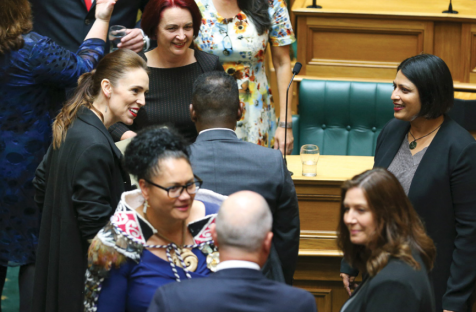
Women make up only 23.5% of Members of Parliament according to the latest available data of the Inter-Parliamentary Union. While significant strides in women’s political participation have been made since the adoption of the Beijing Platform for Action in 1995, which set Member States’ target of achieving gender balance in political decision-making, women are still underrepresented in political decision-making at all levels and gender balance remains an aspirational goal. Gains in women’s participation have been notable in countries that have taken proactive steps to support women’s political participation, including reforming or amending discriminatory laws, taking concrete action to address violence against women in politics and gender discrimination within parliaments, addressing gender-specific barriers, and supporting women in all forms of decision-making including at local level and in executive government.

In recent months, Australians have grown accustomed to stories of sexual impropriety by their politicians dominating the news headlines.

Although significant progress has been made with regard to the participation of women in political and public decision-making in Europe, such progress is too slow and uneven.

Newly inaugurated Samia Suluhu Hassan who served as Tanzanian vice-president under President John Magufuli has declared 21 days of mourning for her predecessor.
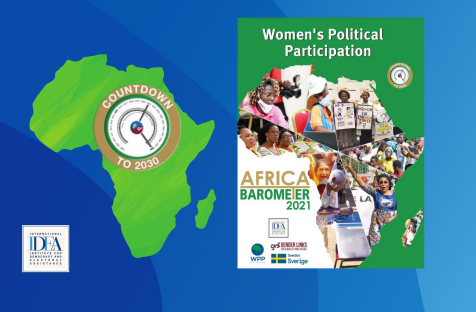
ADDIS ABABA— African countries are still far from achieving women's equal and effective participation in political decision-making.

African countries are still far from achieving women’s equal and effective participation in political decision-making.

The IPU-UN Women map, which presents global rankings for women in executive and government positions as of 1 January 2021, shows all-time highs for women heads of state and heads of government, women Speakers of parliament and women MPs and ministers
The IPU has been promoting gender equality for decades ever since the first woman parliamentarian took the floor at an IPU parliamentary event in 1922

Elections in 2020 were profoundly marked by the COVID-19 pandemic, resulting in delays and cancellations, logistical challenges for candidates and election administrators and often low turnout.