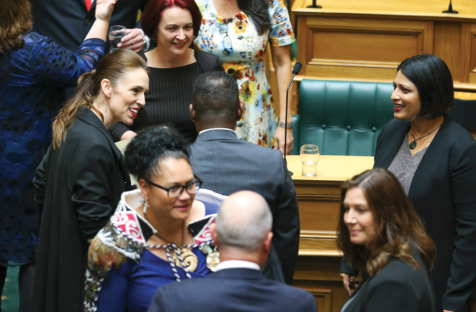
The next federal parliament is set to have a record number of women but Australia still has a "long way to go" until it achieves gender parity in its corridors of power.
Women make up only 23.5% of Members of Parliament according to the latest available data of the Inter-Parliamentary Union. While significant strides in women’s political participation have been made since the adoption of the Beijing Platform for Action in 1995, which set Member States’ target of achieving gender balance in political decision-making, women are still underrepresented in political decision-making at all levels and gender balance remains an aspirational goal. Gains in women’s participation have been notable in countries that have taken proactive steps to support women’s political participation, including reforming or amending discriminatory laws, taking concrete action to address violence against women in politics and gender discrimination within parliaments, addressing gender-specific barriers, and supporting women in all forms of decision-making including at local level and in executive government.
The next federal parliament is set to have a record number of women but Australia still has a "long way to go" until it achieves gender parity in its corridors of power.
The IPU and UN Women held a joint parliamentary event at the 63rd Session of the Commission on the Status of Women (
How do we know whether women are achieving equitable levels of political representation? For many years, scholars have focused on women’s representation in legislatures.
This GSoD In Focus showcases global and regional data around trends in and the progression of gender equality, based on data from the Global State of Democracy (GSoD) Indices.
This map is a unique visual tool that captures women’s participation in executive government and in parliament on a given date—1st January 2019.
The annual report provides an update and analysis of progress made and setbacks encountered by women in parliament further to elections and renewals held over a year.
According to the IPU’s yearly analysis, the share of women in national parliaments increased by nearly one percentage point last year, from 23.
When the Ninth Senate of Nigeria is inaugurated in June, there will be at least no fewer than seven women in the 109-member chamber, if the results of the February 23 Presidential and National Assembly elections are anything to go.
By Kerryn Baker