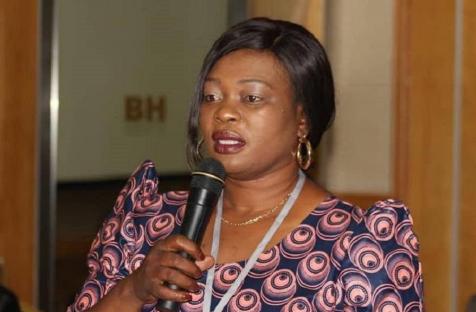
Lebanese politician Raya Hassan made history on Thursday when she became the first woman interior minister in the Arab world.
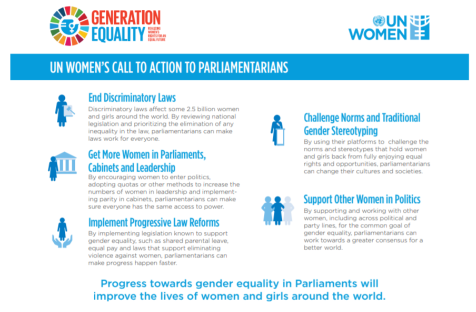
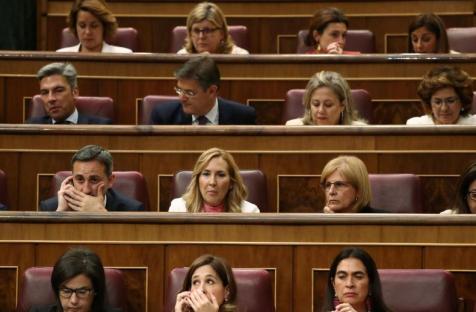
Women make up only 23.5% of Members of Parliament according to the latest available data of the Inter-Parliamentary Union. While significant strides in women’s political participation have been made since the adoption of the Beijing Platform for Action in 1995, which set Member States’ target of achieving gender balance in political decision-making, women are still underrepresented in political decision-making at all levels and gender balance remains an aspirational goal. Gains in women’s participation have been notable in countries that have taken proactive steps to support women’s political participation, including reforming or amending discriminatory laws, taking concrete action to address violence against women in politics and gender discrimination within parliaments, addressing gender-specific barriers, and supporting women in all forms of decision-making including at local level and in executive government.
Lebanese politician Raya Hassan made history on Thursday when she became the first woman interior minister in the Arab world.
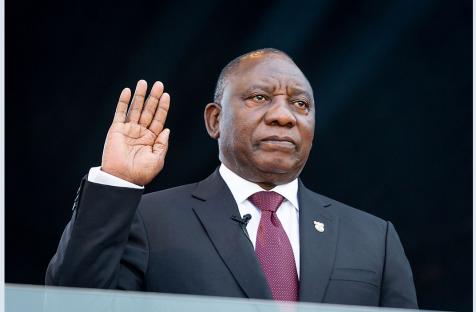
When the 116th Congress was sworn into office on Thursday, the class made history as the most diverse group ever with a record 127 women.
For the first time in Togo’s history, the national assembly will be presided by a woman: Yawa Tsegan Djigbodi is the new president of this assembly.
It's rare that members of parliament from across the political spectrum sit down and unanimously agree on an issue.
There is broad consensus that women’s increased participation in politics is necessary for both the democratic development of the country, as well as women’s empowerment in Bangladesh.
One of the hallmarks of post-Genocide Rwanda is inclusive politics. The year 2018 brought about more gains as far as political plurality is concerned, at least in the Chamber of Deputies where two new opposition parties won seats.
By Adam Taylor,