HeForShe Action Kit for Parliaments

This Action Kit has been developed to guide the overall implementation of the HeForShe solidarity movement.
Women make up only 23.5% of Members of Parliament according to the latest available data of the Inter-Parliamentary Union. While significant strides in women’s political participation have been made since the adoption of the Beijing Platform for Action in 1995, which set Member States’ target of achieving gender balance in political decision-making, women are still underrepresented in political decision-making at all levels and gender balance remains an aspirational goal. Gains in women’s participation have been notable in countries that have taken proactive steps to support women’s political participation, including reforming or amending discriminatory laws, taking concrete action to address violence against women in politics and gender discrimination within parliaments, addressing gender-specific barriers, and supporting women in all forms of decision-making including at local level and in executive government.

This Action Kit has been developed to guide the overall implementation of the HeForShe solidarity movement.

These guidelines offer advice and practical information for parliamentarians and parliamentary staff on how to transform parliaments into gender-sensitive environments free from sexism and abuse.

Background

MPs have increasingly become the target of abuse - and some women politicians say they are bearing the brunt of it.

According to a new study, around 80% of women in Parliament are exposed to gender-based violence. In May, the study surveyed 33 women who are working in or have recently quit Parliament, with 25 women responding.
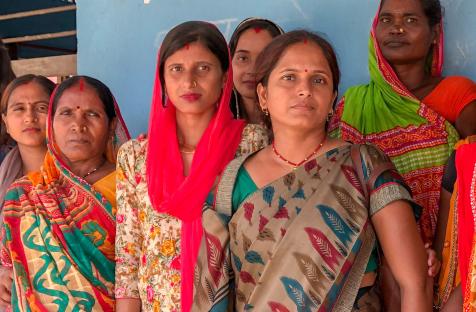
Female representation in Nepal's parliament has increased dramatically in the last 10 years.
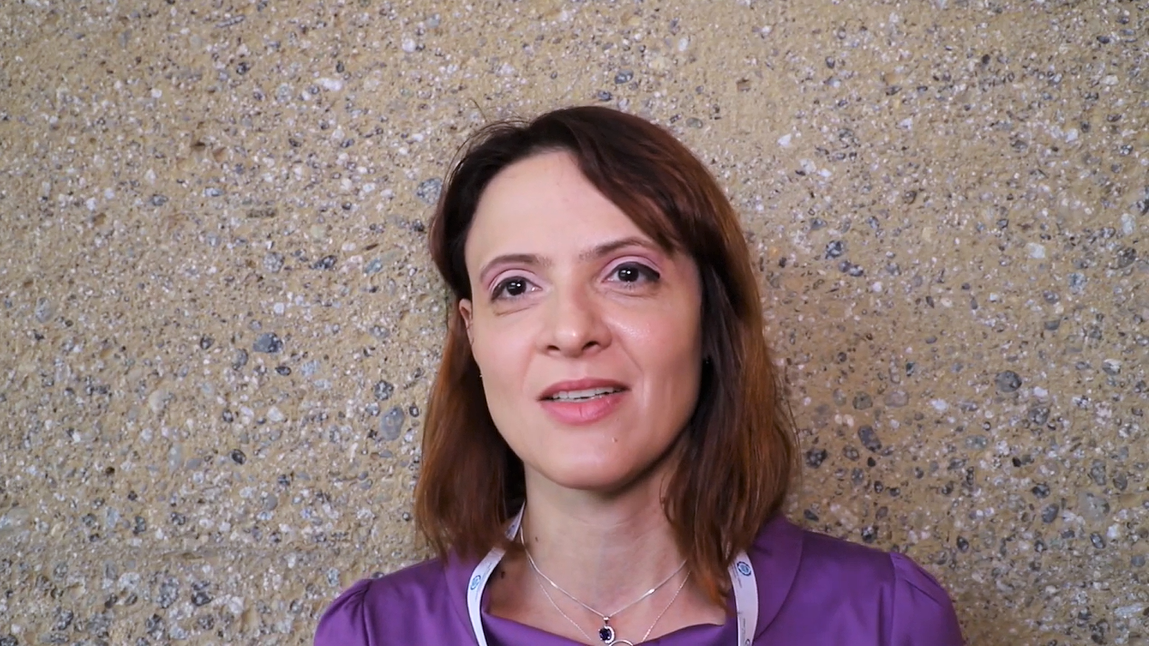
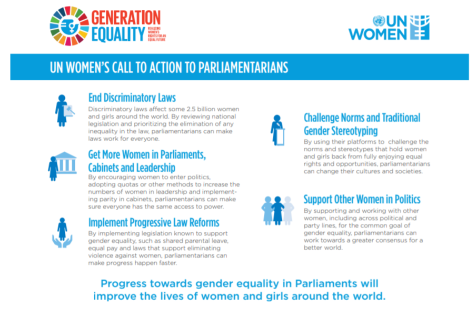
(Tokyo, 27 June)—In the lead up to the 25th anniversary of the Beijing Declaration and Platform for Action (Beijing+25) and UN Women’s ground-breaking campaign commemorating the anniversary, “Generation Equality: Realizing women’s rights for an equal