What Happens When Women Legislate

LAS VEGAS — Cheaper tampons. Office breaks to pump breast milk. No co-pay on birth control.
Women make up only 23.5% of Members of Parliament according to the latest available data of the Inter-Parliamentary Union. While significant strides in women’s political participation have been made since the adoption of the Beijing Platform for Action in 1995, which set Member States’ target of achieving gender balance in political decision-making, women are still underrepresented in political decision-making at all levels and gender balance remains an aspirational goal. Gains in women’s participation have been notable in countries that have taken proactive steps to support women’s political participation, including reforming or amending discriminatory laws, taking concrete action to address violence against women in politics and gender discrimination within parliaments, addressing gender-specific barriers, and supporting women in all forms of decision-making including at local level and in executive government.
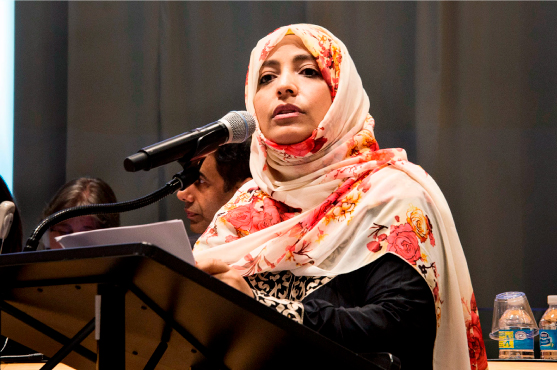

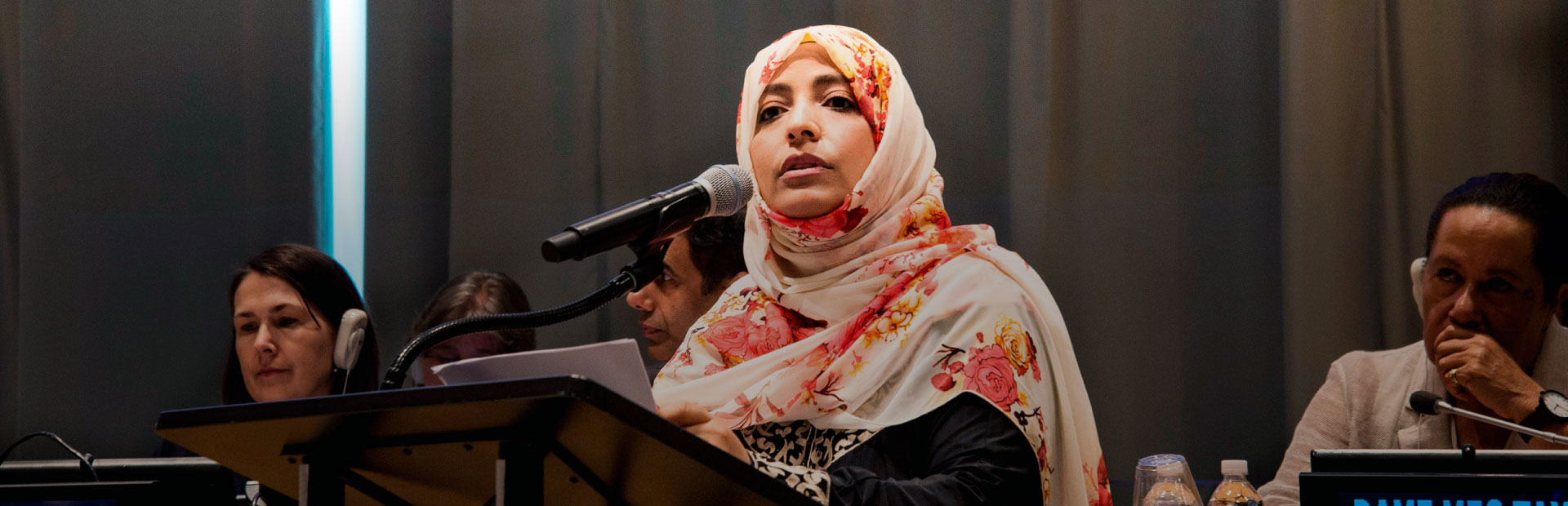
LAS VEGAS — Cheaper tampons. Office breaks to pump breast milk. No co-pay on birth control.

Prime Minister Manasseh Sog

This collection of essays addresses
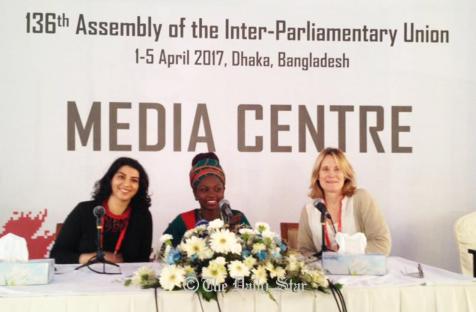
Only 1.9 per cent of lawmakers are

The IPU held several events during

Women in Somalia continue to face significant obstacles that limit their political participation.
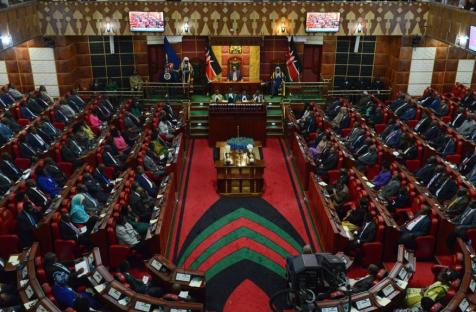
NAIROBI — Kenyan activists on
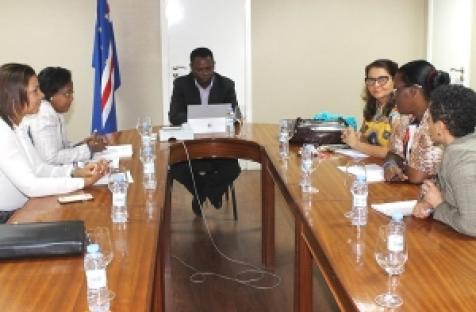
Young people are often excluded or overlooked as political candidates. Politics is typically regarded as a space for politically experienced men, and while women are often disadvantaged in accumulating experience to run for office, young people are systematically marginalized because of their young age, limited opportunities, and projected lack of experience. As the increased political participation of women benefits society as a whole, the presence of young people in decision-making positions benefits all citizens and not just youth.
Young people are often excluded or overlooked as political candidates. Politics is typically regarded as a space for politically experienced men, and while women are often disadvantaged in accumulating experience to run for office, young people are systematically marginalized because of their young age, limited opportunities, and projected lack of experience. As the increased political participation of women benefits society as a whole, the presence of young people in decision-making positions benefits all citizens and not just youth.