January 26, 2017
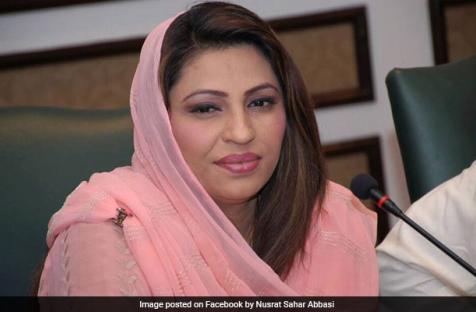
Pakistani female lawmaker harassed in parliament
KARACHI: A Pakistani female la
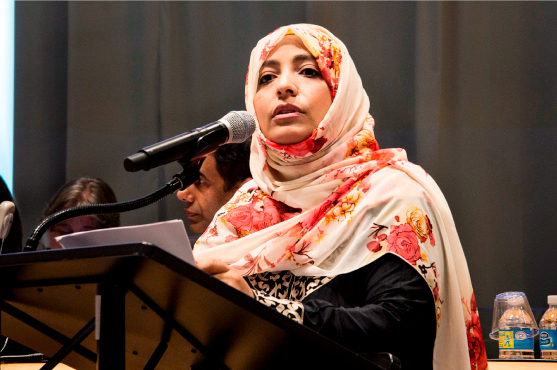
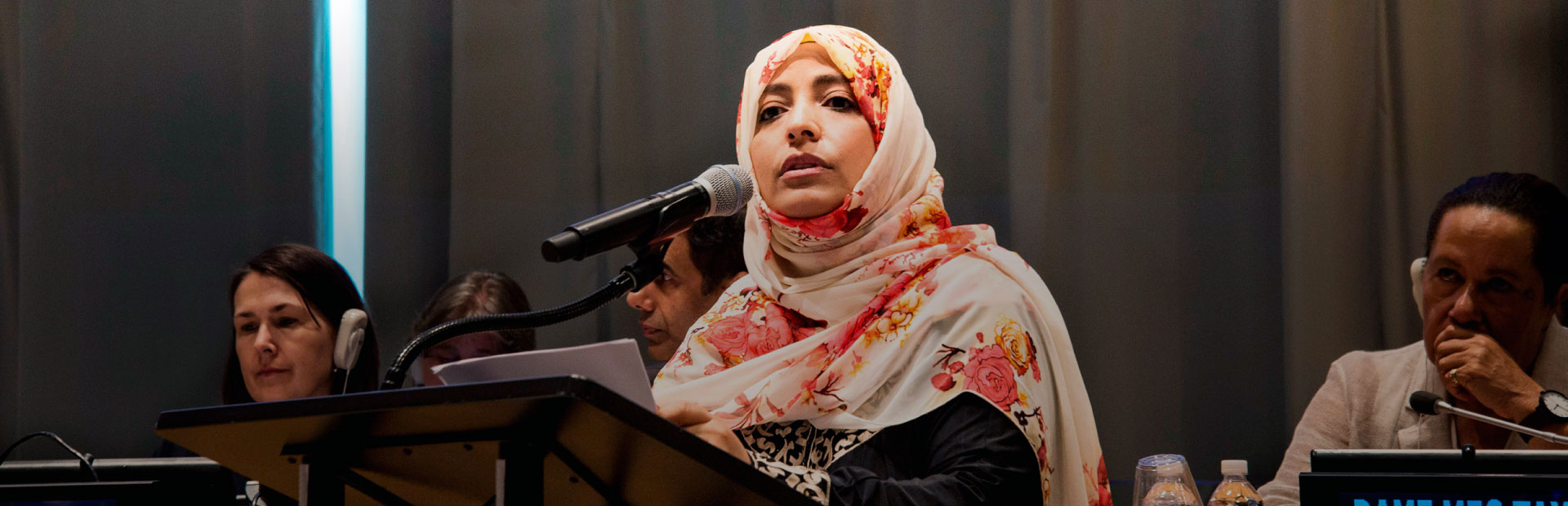
Women make up only 23.5% of Members of Parliament according to the latest available data of the Inter-Parliamentary Union. While significant strides in women’s political participation have been made since the adoption of the Beijing Platform for Action in 1995, which set Member States’ target of achieving gender balance in political decision-making, women are still underrepresented in political decision-making at all levels and gender balance remains an aspirational goal. Gains in women’s participation have been notable in countries that have taken proactive steps to support women’s political participation, including reforming or amending discriminatory laws, taking concrete action to address violence against women in politics and gender discrimination within parliaments, addressing gender-specific barriers, and supporting women in all forms of decision-making including at local level and in executive government.

KARACHI: A Pakistani female la
Members of the public are invited t
Gender quotas have emerged globally

Gender quotas have emerged globally
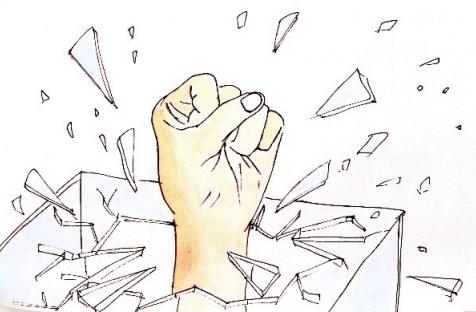
We are sharing the annual message from the Secretary General of the European Women’s Lobby, Joanna Maycock.

Seventeen women from a diverse rang
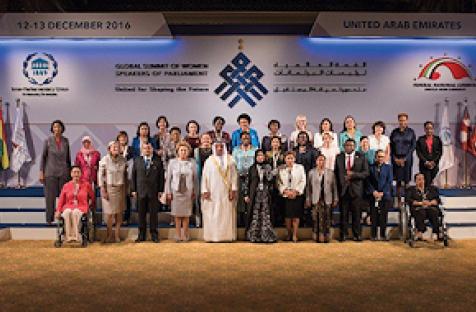
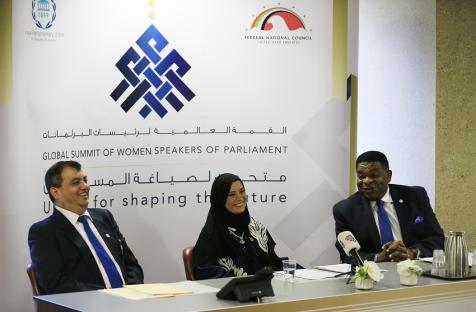
Women Speakers of Parliament from a
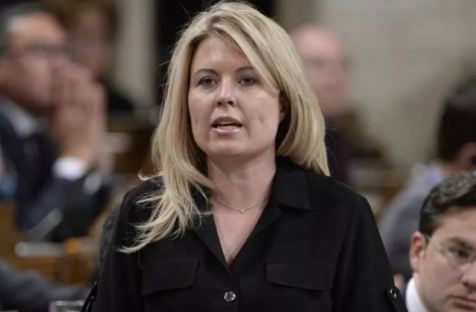
Michelle Rempel, the Conservative M
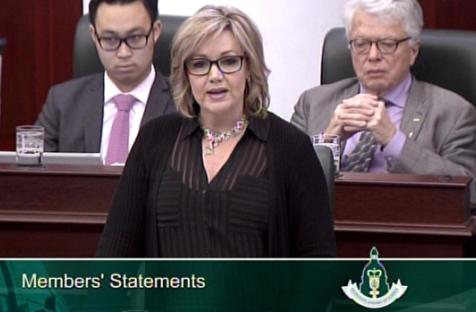
Warning: This story contains foul language some readers will find offensive.