Parliaments & Representatives

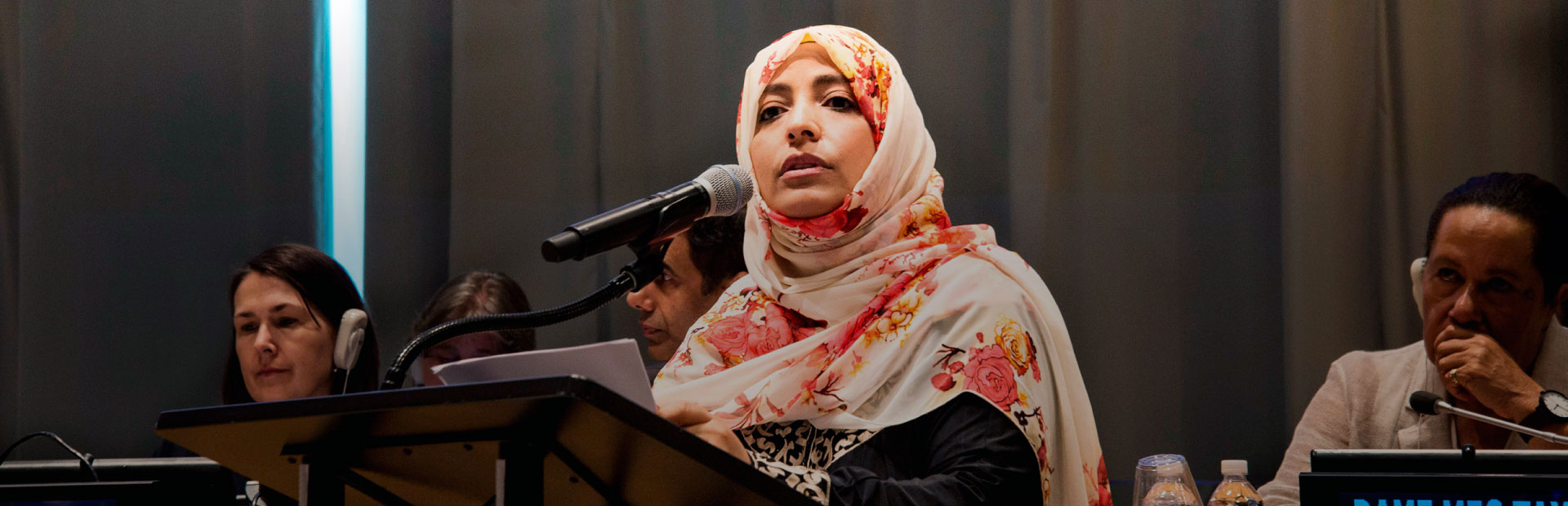
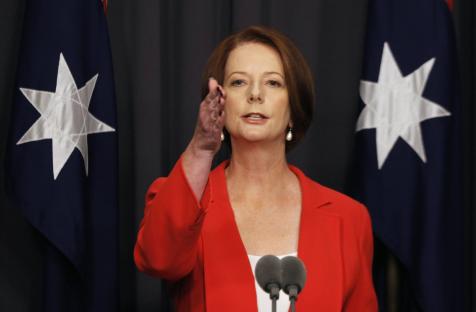
Women make up only 23.5% of Members of Parliament according to the latest available data of the Inter-Parliamentary Union. While significant strides in women’s political participation have been made since the adoption of the Beijing Platform for Action in 1995, which set Member States’ target of achieving gender balance in political decision-making, women are still underrepresented in political decision-making at all levels and gender balance remains an aspirational goal.  Gains in women’s participation have been notable in countries that have taken proactive steps to support women’s political participation, including reforming or amending discriminatory laws, taking concrete action to address violence against women in politics and gender discrimination within parliaments, addressing gender-specific barriers, and supporting women in all forms of decision-making including at local level and in executive government.
Show on Home Page
Yes
Image
Icon
Banner Image

April 1, 2016
IPU’s Forum of Women Parliamentarians

Women parliamentarians have had the

Gender Budgeting - An Equality Policy Strategy

Back
February 9, 2016

Gender Budgeting - An Equality Policy Strategy

Gender mainstreaming and gender budgeting are fixtures of the debates and documents of the international women’s movement.

Gender mainstreaming and gender budgeting are fixtures of the debates and documents of the international women’s movement.

e-Discussions

September 29, 2014
Myanmar: Building Strategies for Women Legislators to Succeed

September 27-28, 2014, the Parliamentary Centre held a workshop entitled “Strategies for Women Legislators to Succeed” in partnership with International IDEA.


e-Discussions

Mentorship programs to support candidates and elected female MPs beyond training and study tours

Submitted by iKNOW Politics on
Back

Mentorship programs to support candidates and elected female MPs beyond training and study tours

In this discussion we would like to hear from you on whether you ever been part of a mentorship program (as mentor or mentee) and if so, could you share your experiences? Do you know of successful mentorship and why these projects were successful?

In this discussion we would like to hear from you on whether you ever been part of a mentorship program (as mentor or mentee) and if so, could you share your experiences? Do you know of successful mentorship and why these projects were successful?

Induction Course for Parliamentarians

Back
August 26, 2013

Induction Course for Parliamentarians

This 'Induction for First-Time Parliamentarians' course is designed for legislators who are new to parliament, and for parliamentary staff, practitioners, donors, civil society organisations and others who want to learn about how parliament works.

This 'Induction for First-Time Parliamentarians' course is designed for legislators who are new to parliament, and for parliamentary staff, practitioners, donors, civil society organisations and others who want to learn about how parliament works.

e-Discussions

Women in Local Governments

Submitted by iKNOW Politics on
Back

Women in Local Governments

Women’s political and socio-economic status improves when women become more involved in decision making and policy development at all levels of governance.  Through their active involvement in community work and women’s movements, local women politicians are fully aware of issues faced by women in their communities and are uniquely positioned to address them. The role of women in decision making has been addressed by various international agreements and conventions, CEDAW and the Beijing Platform for Action (1995), to name a few.

Women’s political and socio-economic status improves when women become more involved in decision making and policy development at all levels of governance.  Through their active involvement in community work and women’s movements, local women politicians are fully aware of issues faced by women in their communities and are uniquely positioned to address them. The role of women in decision making has been addressed by various international agreements and conventions, CEDAW and the Beijing Platform for Action (1995), to name a few.