Parliaments & Representatives

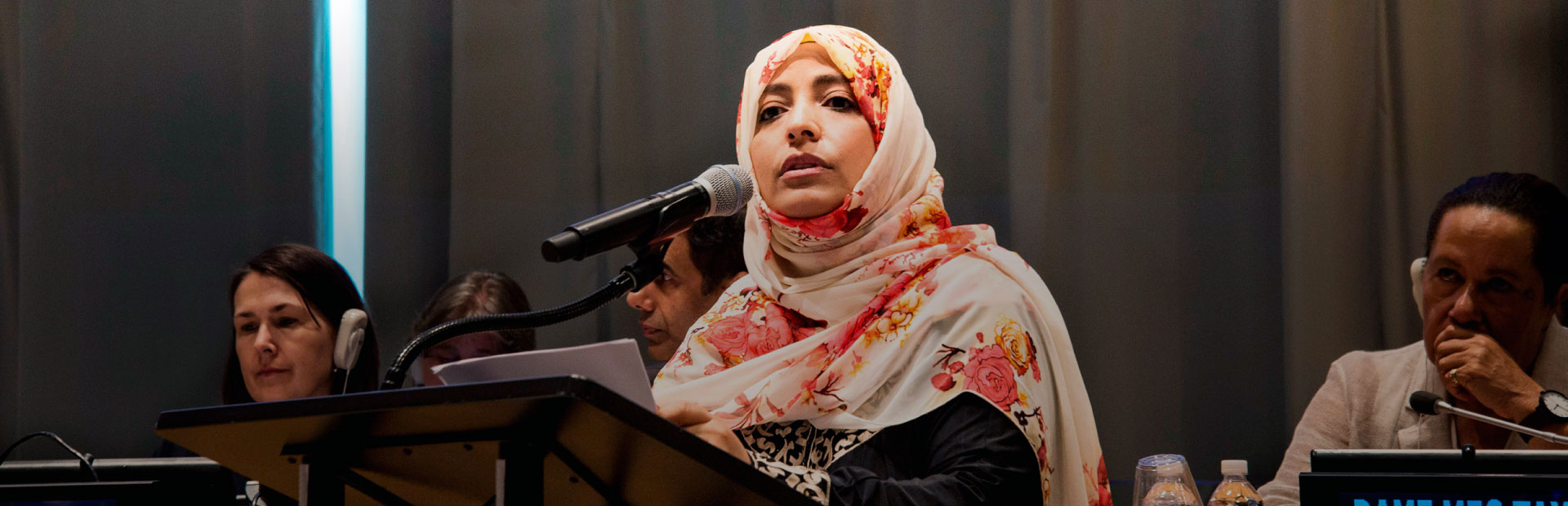
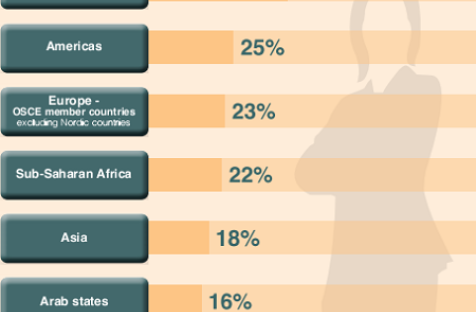
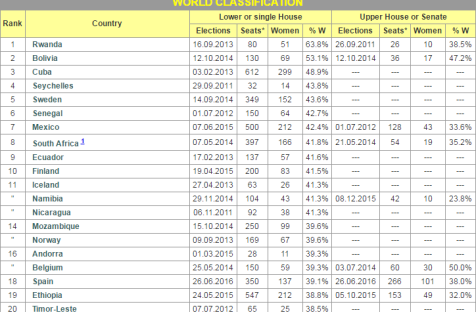
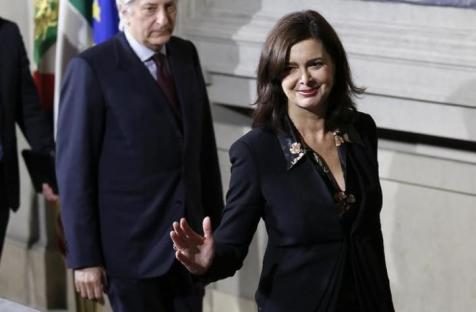
Women make up only 23.5% of Members of Parliament according to the latest available data of the Inter-Parliamentary Union. While significant strides in women’s political participation have been made since the adoption of the Beijing Platform for Action in 1995, which set Member States’ target of achieving gender balance in political decision-making, women are still underrepresented in political decision-making at all levels and gender balance remains an aspirational goal.  Gains in women’s participation have been notable in countries that have taken proactive steps to support women’s political participation, including reforming or amending discriminatory laws, taking concrete action to address violence against women in politics and gender discrimination within parliaments, addressing gender-specific barriers, and supporting women in all forms of decision-making including at local level and in executive government.
Show on Home Page
Yes
Image
Icon
Banner Image

Induction Course for Parliamentarians

Back
August 26, 2013

Induction Course for Parliamentarians

This 'Induction for First-Time Parliamentarians' course is designed for legislators who are new to parliament, and for parliamentary staff, practitioners, donors, civil society organisations and others who want to learn about how parliament works.

This 'Induction for First-Time Parliamentarians' course is designed for legislators who are new to parliament, and for parliamentary staff, practitioners, donors, civil society organisations and others who want to learn about how parliament works.

e-Discussions

Women in Local Governments

Submitted by iKNOW Politics on
Back

Women in Local Governments

Women’s political and socio-economic status improves when women become more involved in decision making and policy development at all levels of governance.  Through their active involvement in community work and women’s movements, local women politicians are fully aware of issues faced by women in their communities and are uniquely positioned to address them. The role of women in decision making has been addressed by various international agreements and conventions, CEDAW and the Beijing Platform for Action (1995), to name a few.

Women’s political and socio-economic status improves when women become more involved in decision making and policy development at all levels of governance.  Through their active involvement in community work and women’s movements, local women politicians are fully aware of issues faced by women in their communities and are uniquely positioned to address them. The role of women in decision making has been addressed by various international agreements and conventions, CEDAW and the Beijing Platform for Action (1995), to name a few.

e-Discussions

Parliamentary Action on Elimination and Prevention of Violence Against Women

Submitted by iKNOW Politics on
Back

Parliamentary Action on Elimination and Prevention of Violence Against Women

The priority theme of the 57th UN Commission of the Status of Women will be the elimination and prevention of all forms of violence against women and girls.

Inequalities in women's lives are complex and intersected and violence against women and girls can be tackled from many angles by different stakeholders.

The priority theme of the 57th UN Commission of the Status of Women will be the elimination and prevention of all forms of violence against women and girls.

Inequalities in women's lives are complex and intersected and violence against women and girls can be tackled from many angles by different stakeholders.

e-Discussions

Women in Local Politics (2012)

Submitted by iKNOW Politics on
Back

Women in Local Politics (2012)

The growing discourse on deepening democracy around the world is increasingly being anchored around democratic decentralisation and meaningful local governance which is also being linked to greater social accountability and public participation. Governance is not just about government but is now seen as a much wider process that involves how the idea of “public good” is both framed and contested which involves both private sector actors as well as ordinary citizens and civil society besides the government.

The growing discourse on deepening democracy around the world is increasingly being anchored around democratic decentralisation and meaningful local governance which is also being linked to greater social accountability and public participation. Governance is not just about government but is now seen as a much wider process that involves how the idea of “public good” is both framed and contested which involves both private sector actors as well as ordinary citizens and civil society besides the government.

e-Discussions

Southern African Development Community (SADC) Parliamentary Forum

Back
April 6, 2007

Southern African Development Community (SADC) Parliamentary Forum

The Southern African Development Community Parliamentary Forum (SADC PF) is a regional inter-parliamentary body composed of twelve parliaments in the SADC region.

The Southern African Development Community Parliamentary Forum (SADC PF) is a regional inter-parliamentary body composed of twelve parliaments in the SADC region.

West Virginia Legislative Photography
January 21, 2026
OPINION: WV has the lowest percentage of women legislators – here’s why that matters

A protester holds a sign in front of the Whipple Federal building in response to an ICE agent’s killing Renee Good.(Michael Siluk / Universal Images Group via Getty Images)
January 21, 2026
How the Trump Administration Is Downgrading Women’s Citizenship