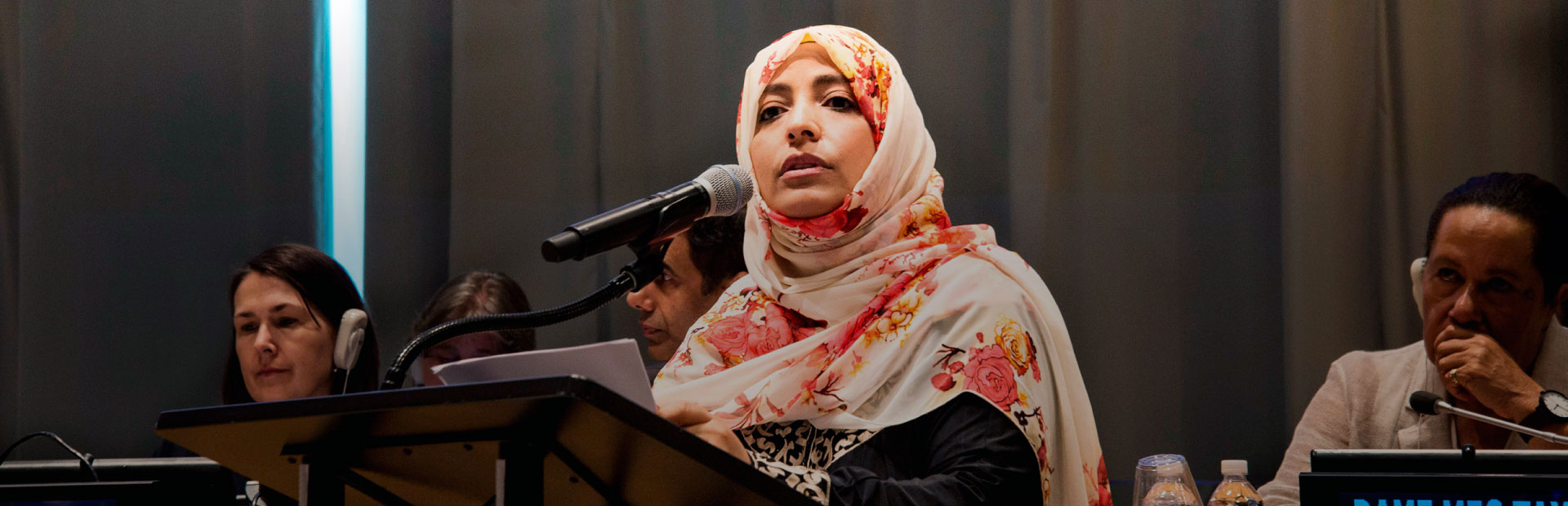
Parliaments & Representatives

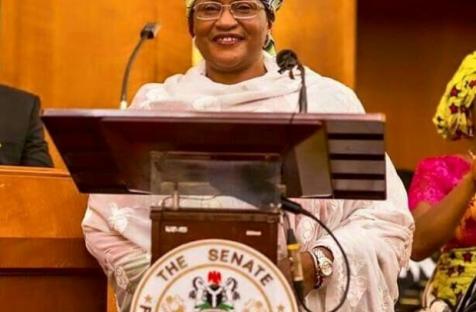
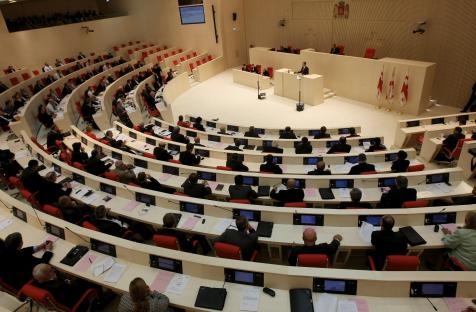
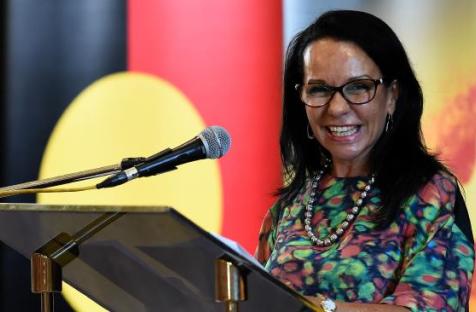
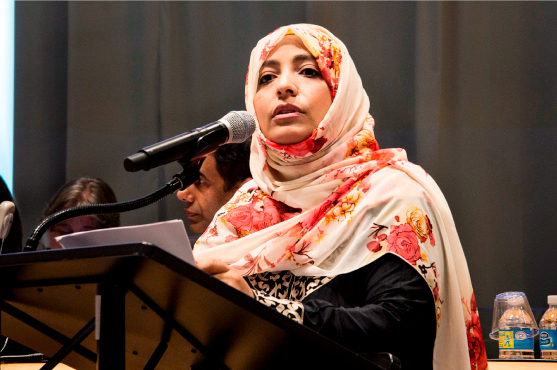
Women make up only 23.5% of Members of Parliament according to the latest available data of the Inter-Parliamentary Union. While significant strides in women’s political participation have been made since the adoption of the Beijing Platform for Action in 1995, which set Member States’ target of achieving gender balance in political decision-making, women are still underrepresented in political decision-making at all levels and gender balance remains an aspirational goal.  Gains in women’s participation have been notable in countries that have taken proactive steps to support women’s political participation, including reforming or amending discriminatory laws, taking concrete action to address violence against women in politics and gender discrimination within parliaments, addressing gender-specific barriers, and supporting women in all forms of decision-making including at local level and in executive government.

Show on Home Page
Yes
Image
Icon
Banner Image
,
December 17, 2025
Not ‘just part of the job’: How parliaments are countering violence against women in politics

https://www.nytimes.com/2025/10/19/world/asia/japan-women-prime-minister.html
October 20, 2025
A Woman Is Poised to Lead Japan. Will That Help Japanese Women?

In Japan, women have long been severely underrepresented at the highest levels of business, government and society, the product of a culture that expects them to bear a disproportionate share of child care and housework.

https://www.nation.com.pk/23-Sep-2025/progress-without-women?version=amp
September 24, 2025
No Progress Without Women

The role of women in politics is vital for any nation’s progress. A country cannot move forward if half its population is excluded from decision-making. In Pakistan, however, women face serious obstacles in entering politics.

 King's College London
January 23, 2025
Women politicians face 'double burden' of online toxicity

Some reports suggest that female politicians face such behaviour more often than their male counterparts and it has even been reported that female politicians have begun to view toxic messages and harassment as just a part of the job.

The Associated Press
September 3, 2024
Mexico finds the devil is in the details with laws against gender-based attacks on women politicians

MEXICO CITY (AP) — In a U.S. electoral campaign punctuated by jibes about “childless cat ladies,” some might wish there were rules against mocking candidates based on their gender.

Concerns over lack of the voice of women in political arena

Back
September 1, 2024

Concerns over lack of the voice of women in political arena

Sri Lankan women make up over 51% of the population as well as the number of registered voters; they contribute immensely to state revenue through tea and garment trades and inward foreign remittances; manage family budgets; and run homes, but in the political arena the

Sri Lankan women make up over 51% of the population as well as the number of registered voters; they contribute immensely to state revenue through tea and garment trades and inward foreign remittances; manage family budgets; and run homes, but in the political arena the

e-Discussions

The Impact of the COVID-19 Pandemic on Women in Politics

Submitted by admin on
Back

The Impact of the COVID-19 Pandemic on Women in Politics

The gender gap in politics remains the largest gender gap across sectors. In 2022, women are still marginalized and unfairly represented at all levels of government globally, making up 36% of local deliberative bodies and 26.1% of national parliaments.

The gender gap in politics remains the largest gender gap across sectors. In 2022, women are still marginalized and unfairly represented at all levels of government globally, making up 36% of local deliberative bodies and 26.1% of national parliaments.

December 8, 2021
Men speak far more than women in Walloon Parliament

After a detailed analysis of dialogue from the Walloon Parliament in 2020, it has been found that a staggering 82.4% of speech comes from male speakers, according to a study carried out by dada analyst Robin Devooght of the Roi Baudouin Foundation.