‘Nigeria Among Lowest Globally In Women’s Political Representation‘
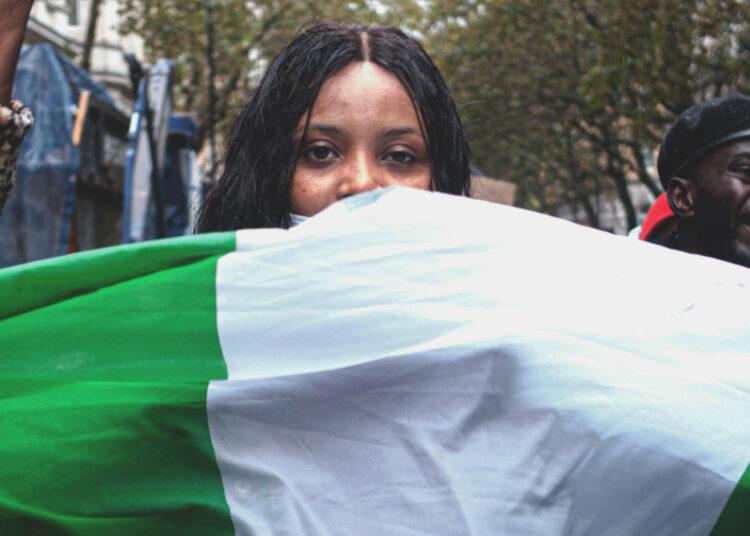
Stakeholders have raised concerns about the critical state of women’s political participation in Nigeria.
Women make up only 23.5% of Members of Parliament according to the latest available data of the Inter-Parliamentary Union. While significant strides in women’s political participation have been made since the adoption of the Beijing Platform for Action in 1995, which set Member States’ target of achieving gender balance in political decision-making, women are still underrepresented in political decision-making at all levels and gender balance remains an aspirational goal. Gains in women’s participation have been notable in countries that have taken proactive steps to support women’s political participation, including reforming or amending discriminatory laws, taking concrete action to address violence against women in politics and gender discrimination within parliaments, addressing gender-specific barriers, and supporting women in all forms of decision-making including at local level and in executive government.

Stakeholders have raised concerns about the critical state of women’s political participation in Nigeria.

At the Bakadaji Hotel in Bijilo yesterday, November 13, the Centre’s Executive Director Sait Matty Jaw presented a study report that sheds light on the deep-rooted cultural norms and societal pressures that hinder women’s participation in public and political life, alon
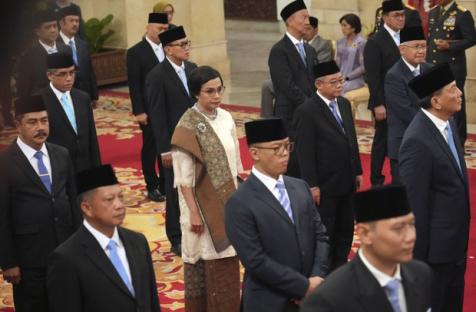
Women and gender-equality advocates in Indonesia are crying foul about male dominance in President Prabowo Subianto’s jumbo-sized cabinet.
Digital technologies have expanded opportunities for women in political participation, advocacy, and knowledge-sharing, but also present significant risks, particularly through technology-facilitated gender-based violence (TF GBV) that disproportionately affects women in public life. While digital platforms can bridge gender gaps, creating truly inclusive digital spaces requires policy reforms and societal shifts that address gender norms, ensuring equitable access and safety for all women.
Digital technologies have expanded opportunities for women in political participation, advocacy, and knowledge-sharing, but also present significant risks, particularly through technology-facilitated gender-based violence (TF GBV) that disproportionately affects women in public life. While digital platforms can bridge gender gaps, creating truly inclusive digital spaces requires policy reforms and societal shifts that address gender norms, ensuring equitable access and safety for all women.
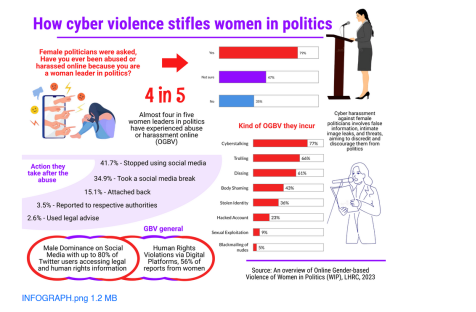
DESPITE Tanzania’s progress toward gender equality in politics, women continue to be significantly underrepresented in leadership roles.
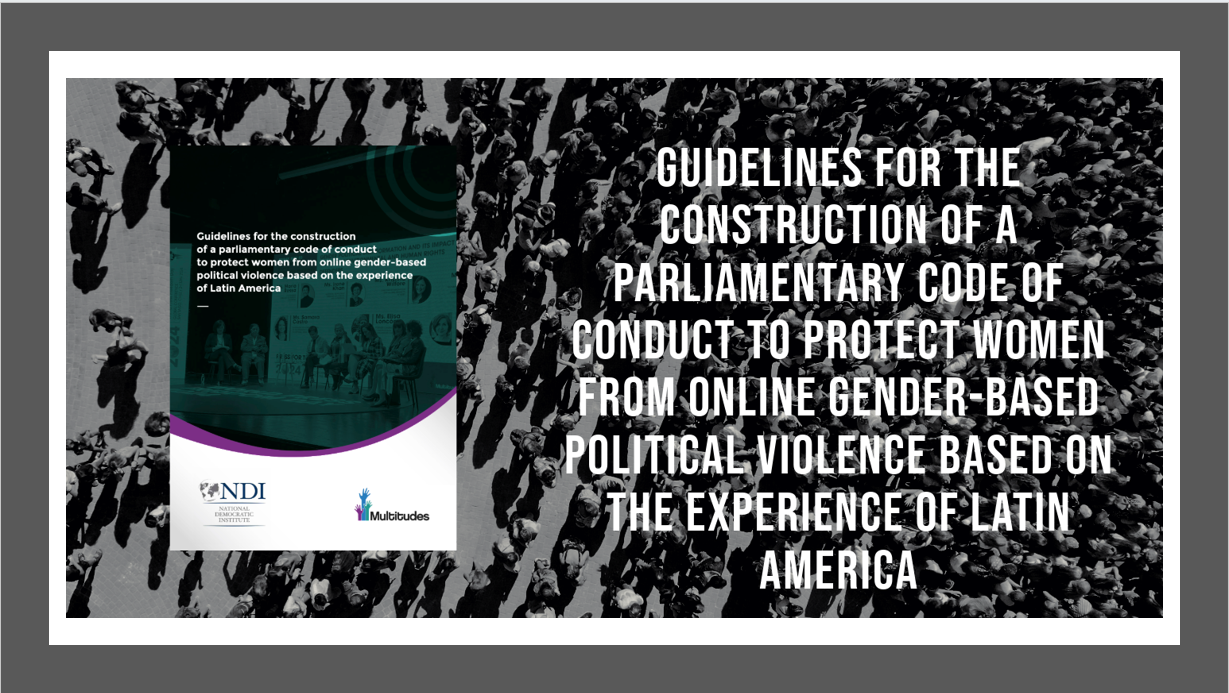
The deliberate spread of harmful and false content aimed at women is a current threat to their safety, job performance, mental health, as well as to the institutions they represent, weakening not only women’s active life in the public but also the democratic system.&nbs
The Transform Digital Threats and Public Participation Landscape Assessment Methodology reflects the collaboration and contribution of many people and organizations engaged in preventing, responding to, and mitigating Technology-Facilitated Gender-Based Violence.
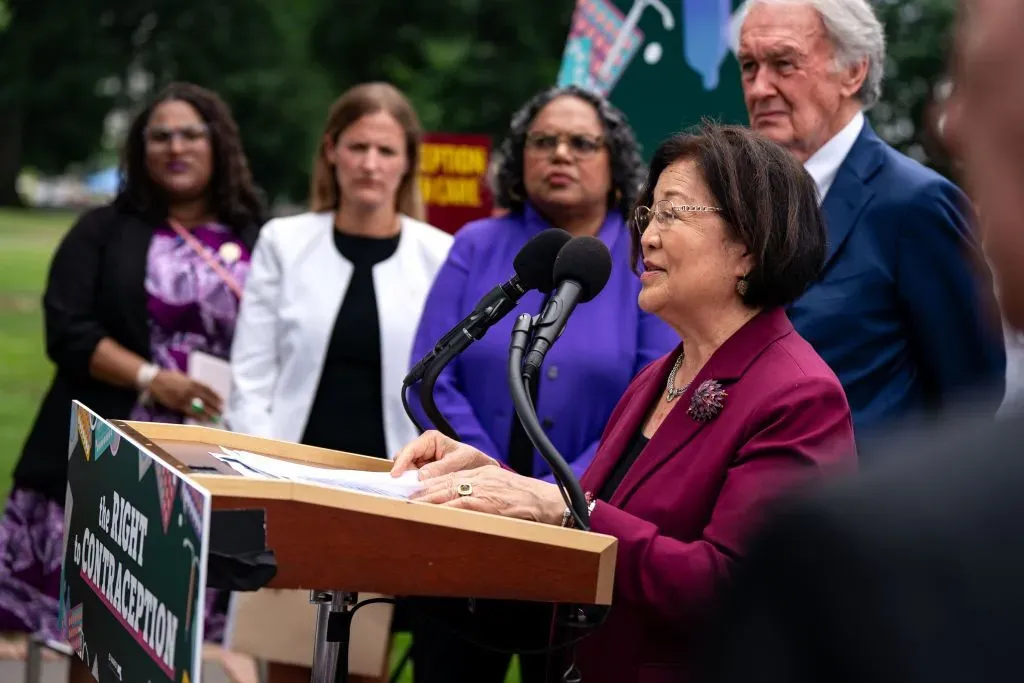
In order to achieve true parity, the U.S. needs affirmative actions—gender quotas established by law. This will ensure that women are selected, appointed and supported in politics.